
SWR Passenger Assistance: Real-Time Tech Improves Rail Accessibility
SWR uses real-time tech to boost passenger assistance, reducing delays and improving accessibility. 260,000+ assistance requests processed last year.
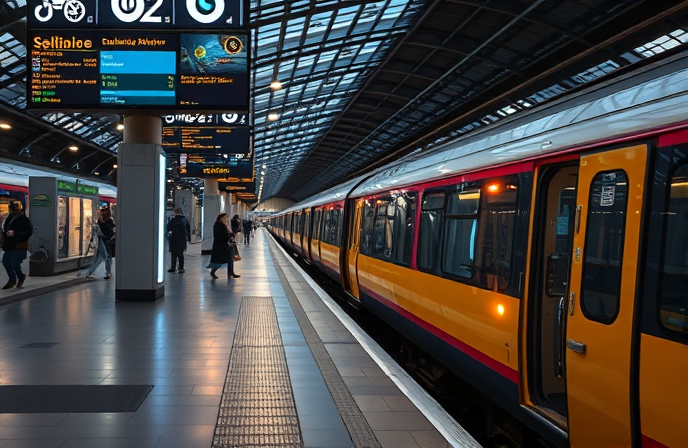
South Western Railway Transforms Passenger Assistance with Real-Time Technology
In an era where rail travel accessibility is paramount, South Western Railway (SWR) has undertaken a significant transformation. This initiative, spearheaded by SWR’s Accessibility Delivery Manager, Allison Harbor, leverages Transreport’s Passenger Assistance technology to revolutionize the way passengers requiring assistance experience their journeys. Implemented in March 2023, the real-time system replaces a previously cumbersome paper-based process, promising quicker responses, improved communication, and reduced delays. The driving force behind this technological leap? A significant increase in assistance requests, with over 260,000 received across the network in the last year – a 26% jump compared to the previous year. SWR’s commitment to inclusivity underscores the “why” – ensuring safe, comfortable, and accessible travel for all passengers. This article will explore the technological advancements, benefits, and future implications of this innovative approach to passenger assistance.
From Paper to Pixels: The Technology Behind the Transformation
Prior to the implementation of Transreport’s Passenger Assistance technology, SWR relied on a paper-based system to coordinate assistance requests. Daily lists were printed and distributed to station teams, limiting visibility and flexibility. This manual approach struggled to accommodate last-minute “turn up and go” requests, which were never captured in real-time. After assistance was provided, the manual process of tracking completed assists through a separate system was prone to errors and inconsistencies, especially during periods of disruption. Now, with the Passenger Assistance app, colleagues have access to real-time information, enabling them to greet customers by name and prepare for specific needs before their arrival. This shift has significantly improved the accuracy of information available to station and on-board teams, fostering a more personalized and reliable service. The system’s ability to capture comprehensive data is also invaluable, providing SWR with detailed insights into customer travel patterns and the volume and types of assistance requests.
Boosting the Customer Experience: Enhanced Support and Reduced Delays
The introduction of the Passenger Assistance technology has noticeably enhanced the customer experience across the SWR network. Coupled with the assisted boarding points at station platforms, implemented in 2021, assisted travel delays have been reduced by 25%. By providing personalized support on trains, reducing the time it takes to help passengers, the improved service has been warmly received. The app’s capabilities extend even to unstaffed stations, allowing teams to locate and assist customers promptly, reducing dwell times and ensuring a seamless journey. The impact of this technology is clear in the positive feedback. SWR has received consistent five-star ratings from passengers, and recent mystery shopper reviews have also been positive. Customers have expressed feeling safer during their travels. SWR attributes 20% of positive feedback between April and May to the efforts of the Passenger Assistance teams.
Data-Driven Improvements: Funding and Resource Optimization
The Passenger Assistance technology provides SWR with a wealth of data to optimize operations and make informed decisions. The detailed insights into customer travel data, assistance request volumes, and types enable SWR to make a strong case for investment in accessibility infrastructure across key locations. This data is also leveraged to track and review received assists, contributing to continuous service improvements. The data is critical in supporting SWR’s applications for additional funding through the “Access for All” program. This program aims to enhance accessibility from station entrances to platforms, addressing the needs of disabled customers or those with mobility constraints. Furthermore, the app facilitates more efficient resource deployment by identifying stations needing additional support or infrastructure upgrades. This capability strengthens the relationships with other operators, allowing smoother inter-operator journeys and enhanced end-to-end visibility of assisted journeys.
Building a More Inclusive Future for Rail Travel
The Passenger Assistance technology is more than just a technological upgrade; it represents a significant step-change in the way SWR provides accessible, inclusive, and reliable travel for everyone. The platform has boosted accountability: when something goes wrong, or a positive feedback is left, clear data facilitates rapid action, recognition of excellent service, and ongoing efforts to raise industry standards. The real-time updates given by the app allows SWR colleagues to act quickly and provide high-quality support to customers while providing a sense of security and support. The success of this initiative has positioned SWR at the forefront of accessibility in rail travel, and the application’s capabilities are paving the way for continued innovation in the sector. SWR’s focus on utilizing data to make informed decisions about accessibility investment highlights a commitment to providing accessible journeys across their network.
Conclusion
South Western Railway’s adoption of Transreport’s Passenger Assistance technology marks a pivotal moment in their commitment to accessible rail travel. By replacing manual processes with a real-time system, SWR has not only improved the efficiency of passenger assistance but also significantly enhanced the customer experience. The transition has resulted in quicker responses, more personalized service, reduced delays, and an improved data set. The data-driven approach allows SWR to focus resources where they are needed most and supports its strategic investments in infrastructure and service improvements. This initiative underscores the broader industry implications: rail operators can significantly improve customer experience, service reliability, and operational efficiency by embracing innovative technology and prioritizing accessibility. The success of SWR’s initiative is already clear, and it is positioning SWR as a leader in the field of accessibility. As the demand for accessible travel continues to grow, SWR’s proactive approach serves as a valuable example for other railway operators to follow. With the help of the Passenger Assistance technology, SWR looks to further develop innovative strategies and technologies to improve the passenger experience in the rail sector.
RELATED POSTS

BLET members ratified a new **Metra contract**, including a 3.5%...

December 10, 2017 9:32 pm
The ACTN Consortium was selected to complete the civil works...

November 10, 2017 6:58 pm
Today (Friday 10th November) the rail industry and politicians are...

September 6, 2025 1:13 pm
FAIRTIQ launches mobile ticketing pilots in Slovakia, UK, and Norway,...
June 28, 2025 5:33 am
New accessible help point launched at Málaga station, boosting railway...
September 6, 2025 7:12 pm
Levistor's new flywheel energy storage, designed for rail, promises...