
Barry Depot Reborn: Rail Innovations, Infrastructure & Future of TfW
TfW revitalizes Barry depot, boosting Welsh rail and local economy. New trains, jobs, and driver facilities announced.
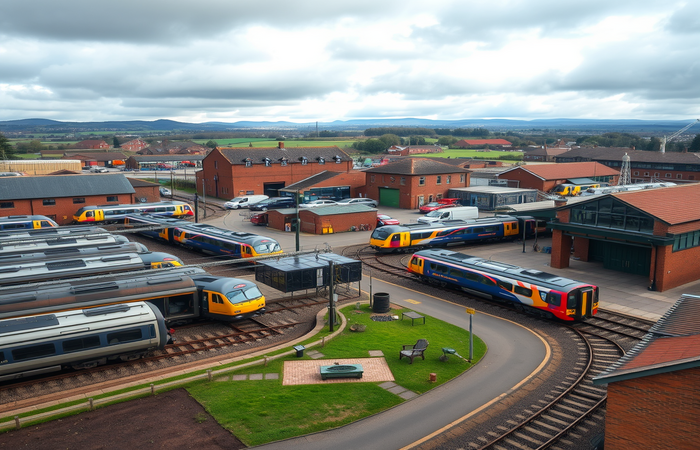
Barry Depot Reborn: A Boost for TfW and the Local Economy
In a significant move for Welsh rail infrastructure, Transport for Wales (TfW) has revitalized the Barry depot in South Wales, injecting a surge of economic activity and signaling a commitment to enhanced regional services. The project, which saw TfW take ownership of the depot in 2022 in collaboration with Network Rail, has been officially launched, marking a new chapter for the historic site. This transformation has resulted in the relocation of 39 drivers to the depot following the May timetable change, bringing the total workforce to 58. The depot will now primarily serve the Rhymney to Barry Island lines, as well as the Treherbert, Merthyr, and Aberdare lines, supporting an expanded fleet of Class 756 and Class 231 trains. The official opening, attended by local dignitaries, highlights the depot’s restoration and its positive impact on the surrounding community. Why is this important? It’s about growing local jobs, ensuring drivers can work locally, and giving drivers good facilities.
A Historic Transformation
The Barry depot, originally constructed in the 1890s, has a rich railway history. It initially served as a vital hub during the development of the docks and railway. However, the depot faced closure as a driver depot in the 1980s due to British Rail’s reorganization plans. Following a period where the depot was operated by various entities, including EWS and, more recently, Cambrian Transport, TfW’s intervention marks a significant turning point. The recent refurbishment and workforce expansion underscore a commitment to enhancing the regional rail network and boosting operational efficiency.
Operational Enhancements and Fleet Deployment
A key element of the project is the strategic deployment of the Class 756 and Class 231 fleets. These trains will be primarily stabled at Barry depot, facilitating efficient maintenance and deployment for services operating between Rhymney and Barry Island, and the Treherbert, Merthyr, and Aberdare lines. Heavy maintenance and fuelling will remain at Cardiff’s Canton Depot, ensuring optimized resource allocation. This strategic distribution of the fleet supports seamless and efficient operations throughout the network. The incoming class 398 fleet will also be based here.
Community and Staff Well-being Initiatives
The Barry depot refurbishment extends beyond operational upgrades, encompassing a strong focus on staff well-being and community integration. A safe walking route has been implemented to connect Barry Town railway station and the depot, improving accessibility and safety for employees and visitors. In addition, a sustainable well-being garden has been established, providing a green space for staff, promoting biodiversity, and fostering a positive work environment. These initiatives demonstrate TfW’s commitment to creating a supportive and sustainable workplace.
Leadership and Vision
Depot Manager Alun Davies expressed his enthusiasm for the project, stating that the depot’s revitalization represents a “transformational” moment for the area. He credited the success to the collective effort of the team, emphasizing the priorities of safety, sustainability, and forward-thinking planning. The relocation of drivers to Barry represents not just a boost to the local economy, but also an investment in the professional well-being of the staff, and strengthens the operational network. The official opening, attended by MS Jane Hutt, Vale of Glamorgan Council Leader Lis Burnett, and several key local stakeholders, underscores the significance of the project and the strong collaboration between TfW and local authorities.
Conclusion
The revitalization of the Barry depot by TfW marks a significant milestone in the ongoing modernization and expansion of the Welsh rail network. The project showcases a strategic approach to infrastructure development, focusing on operational efficiency, staff well-being, and community integration. The enhanced depot will contribute to the smooth operation of an increased fleet of trains, serving vital regional routes. This commitment to investment in rail infrastructure supports economic growth and improves connectivity for commuters and communities. As the Class 398 fleet is introduced, further expansion of this capacity is expected. The transformation of the Barry depot underscores the importance of a commitment to rail infrastructure that drives improvements for the wider community, and sets a standard for future investment across the rail network.
RELATED POSTS
November 21, 2025 1:54 pm
MetroLink Dublin: Major railway project sees consortia, including Hitachi Rail,...

June 28, 2017 6:14 pm
Here are a few voiceover-friendly excerpts for railway professionals, based...
November 13, 2025 3:54 am
Network Rail completed the UK's first **low-carbon track renewal**, using...
April 30, 2025 6:13 pm
This article examines the recent acquisition of Go-Ahead Germany by...
May 28, 2025 8:01 pm
ÖBB-Infrastruktur Launches Wiener Neustadt Central Station Expansion ÖBB-Infrastruktur Launches Wiener...
June 29, 2021 1:29 am
Moscow's new Vostochny Railway Station eases congestion, improves connectivity, and...