
Alstom & Renfe: €125M Rail Maintenance Deal
Alstom’s €125 million Renfe rolling stock maintenance contract showcases innovative railway maintenance outsourcing. Discover how strategic partnerships boost efficiency and profitability!

Alstom Secures Major Rolling Stock Maintenance Contracts with Renfe
This article examines the significant €125 million contract awarded to Alstom by Renfe (Red Nacional de los Ferrocarriles Españoles), the Spanish national railway operator, for the maintenance of a substantial portion of its rolling stock. The agreement underscores the growing importance of outsourced maintenance in the railway industry, highlighting the strategic advantages for operators such as Renfe in focusing on core operations while entrusting specialized maintenance to experienced providers like Alstom. We will delve into the specifics of the contract, analyzing the types of rolling stock involved, the scope of the maintenance services, and the organizational structure facilitating the partnership between Alstom and Renfe. Furthermore, we’ll discuss the broader implications of this deal within the context of the evolving railway maintenance landscape and its potential impact on the overall efficiency and profitability of Renfe’s operations.
The Scope of the Contract: High-Speed and Suburban Rail Maintenance
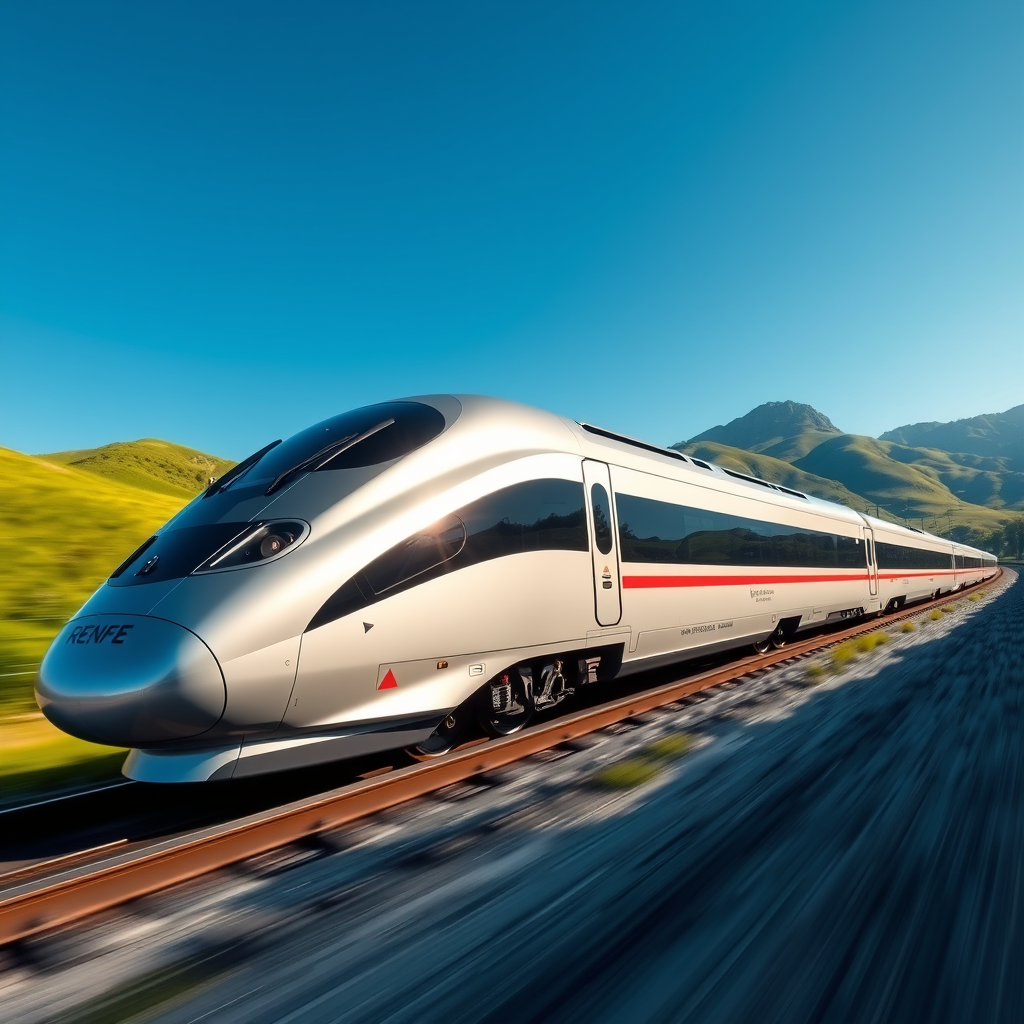
The €125 million contract encompasses the maintenance of two distinct fleets: 15 Avelia Pendolino high-speed trains and 106 suburban trains. This represents a diverse range of rolling stock, each demanding a different maintenance strategy. For the Avelia Pendolino (high-speed tilting trains), Alstom provides comprehensive maintenance services, covering both preventive and corrective measures. This ensures the continued high-speed operation and reliability of these key assets in Renfe’s network. In contrast, the maintenance of the suburban trains focuses on preventive, predictive (using data analysis to anticipate maintenance needs), and corrective maintenance, tailored to optimize the efficiency and operational availability of these high-utilization commuter vehicles.
Irvia: A Joint Venture Approach to Maintenance
The maintenance work is executed through Irvia, a joint venture (JV) established between Alstom and Renfe. This collaborative structure reflects a growing trend in the railway sector where operators and manufacturers partner to optimize maintenance processes and share risk. Alstom, holding a 51% stake, brings its specialized maintenance expertise and technological capabilities. Renfe’s 49% stake ensures alignment with its operational requirements and provides valuable insights into the specific needs of its rolling stock. This partnership model offers advantages for both parties, allowing Alstom to leverage its technical expertise for a large-scale maintenance contract, while Renfe benefits from reduced capital expenditure and specialized maintenance support.
Maintenance Locations and Operational Efficiency
The Pendolino maintenance is conducted at strategically located facilities: Cerro Negro in Madrid and La Sagra in Toledo. This geographical distribution allows for efficient coverage of the Pendolino’s operational areas, minimizing downtime and travel time for maintenance. The maintenance of Renfe’s commuter trains is handled in Barcelona at the depots in Vilanova, Moncada, and Mataró. The strategic location of these maintenance facilities underscores Renfe’s commitment to optimize operational efficiency, and minimizing operational disruption for passengers.
Long-Term Implications and Industry Trends
The Alstom-Renfe contract represents a significant development within the railway maintenance sector, highlighting the increasing reliance on specialized outsourcing. This allows railway operators to concentrate on strategic planning and service improvements, leaving the technical expertise and logistics of maintenance to experienced providers like Alstom. Moreover, the success of the Irvia joint venture demonstrates a successful model for collaborative maintenance contracts, promoting optimized resource utilization and sharing of responsibility. This model is likely to be adopted by other railway operators globally, leading to increased efficiency, improved rolling stock availability, and enhanced overall network performance.
Conclusions
Alstom’s €125 million contract with Renfe for the maintenance of 15 Avelia Pendolino high-speed trains and 106 suburban trains signifies a substantial development in the railway maintenance sector. The contract showcases a successful strategic partnership between a major rolling stock manufacturer and a national railway operator. The utilization of Irvia, a joint venture between Alstom and Renfe, exemplifies a modern approach to maintenance outsourcing, optimizing resource allocation and risk sharing. The strategic location of maintenance facilities in Madrid, Toledo, and Barcelona ensures efficient service delivery and minimizes disruption to Renfe’s operations. This contract highlights several key trends shaping the railway industry: an increased reliance on specialized maintenance providers, innovative collaborative partnerships, and a focus on optimizing operational efficiency through strategic maintenance planning. The success of this collaboration serves as a potential model for other railway operators globally, emphasizing the potential for enhanced performance and cost-effectiveness through strategic partnerships and outsourced maintenance.
The long-term implications are significant. For Renfe, this contract allows for focused investment in service improvements and network expansion, reducing operational burdens while ensuring the continued high availability of its rolling stock. For Alstom, the contract secures a substantial revenue stream and showcases its expertise in maintaining diverse fleets of modern rolling stock. The success of this large-scale maintenance program will undoubtedly influence future industry practices, potentially leading to more widespread adoption of joint venture models and specialized maintenance outsourcing. The future of railway maintenance appears to lie in collaborative partnerships and sophisticated maintenance strategies focusing on both reactive and predictive solutions.
RELATED POSTS

August 15, 2025 10:33 pm
UK-Germany rail link discussions progress, aiming for enhanced freight and...
May 1, 2025 1:01 am
Spain’s Strategic Investment in the Atlantic Corridor: Modernizing Rail Infrastructure...
September 12, 2017 6:44 am
Revolutionizing rail: Tech advancements and asset management are boosting...
November 21, 2019 1:25 am
Introduction This article explores the innovative application of energy-efficient, predictive...
March 4, 2018 6:47 am
Ontario's embracing hydrogen-powered rail! Discover how this clean energy...
September 18, 2017 2:00 am
Optimize your rail infrastructure for a superior passenger experience. ...