
Gares de Demain: Revitalizing Paris Suburbs Railway Stations
Transforming stations, transforming communities! “Gares de Demain” phase two is revitalizing suburban railway stations with integrated services and vibrant hubs.
Paris, France – June 5, 2025
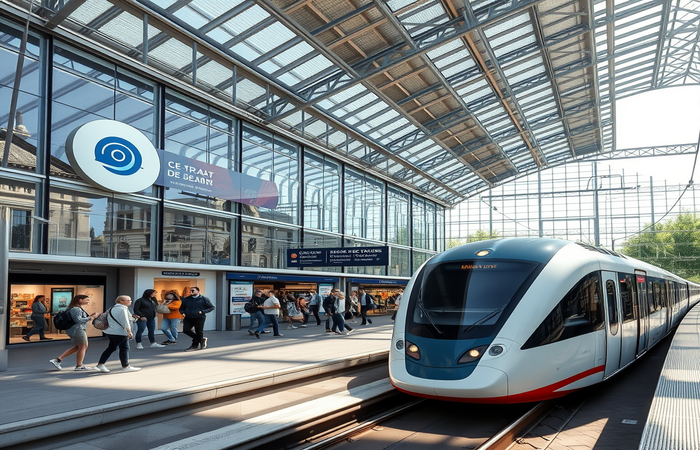
The “Gares de Demain” (Stations of Tomorrow) initiative, a collaborative effort between Île-de-France Mobilités, the Île-de-France Region, and SNCF Gares & Connexions (SNCF: French National Railway Company), is entering its second phase, promising a significant transformation of suburban railway stations across the greater Paris region. Building on the success of the initial phase, which revitalized 14 stations, this new call for projects aims to extend the benefits of improved services and community spaces to an additional 20 stations in the outer suburbs. This ambitious project is designed to breathe new life into underutilized railway infrastructure, making them vibrant hubs for both commuters and local residents. This article will delve into the core objectives, implementation strategies, and anticipated impacts of this innovative program, exploring how it aims to redefine the role of railway stations in the social and economic fabric of the Île-de-France region. The initiative reflects a broader trend towards integrated transportation and community development, showcasing how strategic investment can create positive synergies.
Enhancing Suburban Railway Stations: The “Gares de Demain” Vision
The primary goal of the “Gares de Demain” program is to transform underutilized railway stations, specifically those with fewer than 2,500 daily passengers, into dynamic community spaces. The initiative, funded by Île-de-France Mobilités (the regional transport authority), focuses on integrating a variety of local services, shops, and community facilities within the stations. This approach not only aims to enhance the passenger experience by offering convenient services but also seeks to foster social cohesion and contribute to the economic vitality of surrounding neighborhoods. The program emphasizes improvements in safety, cleanliness, and the presence of personnel, addressing common concerns in suburban railway stations. Furthermore, the initiative is designed to be sensitive to architectural heritage, ensuring that renovations and new constructions are integrated harmoniously with existing station designs. The first phase of the program, which has already been implemented in 14 stations, has demonstrated the effectiveness of this approach, creating a solid foundation for the second phase.
The Second Phase: Expansion and Implementation
The second phase of “Gares de Demain,” officially launched on June 2, 2025, significantly expands the scope of the initiative. Sixty additional stations are now open to proposals, demonstrating the commitment of Île-de-France Mobilités and SNCF Gares & Connexions to the program’s expansion. Project applications are being accepted from June 3 to September 15, 2025, via a dedicated online platform on the Île-de-France Mobilités website. This inclusive approach is intended to attract diverse and innovative proposals. The application process is open to a broad range of applicants, including individuals, associations, local authorities, and private organizations, encouraging a collaborative approach to station revitalization. A dedicated platform streamlines the submission process, ensuring that project proposals align with the initiative’s goals and criteria. The ultimate selection process will choose up to 20 projects, based on factors like relevance to local needs, the viability of the proposed services, and their potential for long-term impact.
Eligible Services and Expected Outcomes
The range of services eligible for integration within the “Gares de Demain” program is designed to cater to the diverse needs of local communities. Proposed services may include neighborhood shops, cultural and sports activities, educational facilities, and healthcare services. The integration of these amenities is intended to strengthen social bonds, promote community life, and create new local employment opportunities. This multifaceted approach aims to transform railway stations from mere transit hubs into genuine community centers. The initiative also has the potential to stimulate local economic growth. The presence of new businesses and services within stations creates job opportunities and increases the economic activity in the surrounding areas. The positive impacts of this initiative extend beyond immediate benefits, shaping a more vibrant and interconnected urban environment.
Measuring Success: Early Results and Future Prospects
The early success of the “Gares de Demain” program is evident in the positive feedback received during the initial phase. A BVA survey conducted in January 2025 showed a positive reception. This demonstrates the program’s effectiveness in meeting the needs of both passengers and local residents. The initiative is already showing how railway stations can be re-imagined as vital components of the communities they serve. The current program’s goal is to make better use of the available station space (between 20 and 150 m² per location), aiming to provide vibrant community hubs that benefit both passengers and local residents. The expansion of the program marks a significant step towards achieving this vision, promising a brighter future for suburban railway stations in the Île-de-France region. This commitment to continuous improvement reflects the long-term vision of the program.
Conclusion
The “Gares de Demain” initiative represents a forward-thinking approach to urban development, recognizing the potential of railway stations to serve as central points of community life and economic activity. The second phase of the program, with its expanded scope and focus on diverse service integration, underscores the commitment of Île-de-France Mobilités, the Île-de-France Region, and SNCF Gares & Connexions to transform the passenger experience and strengthen local communities. By opening the doors to innovative proposals and fostering a collaborative environment, the initiative is poised to create tangible improvements in numerous suburban stations, fostering social cohesion, economic opportunity, and enhancing the overall quality of life for residents. The success of the first phase and the ambitious goals of the second strongly suggest that this model can be successfully replicated in other regions, offering a sustainable path toward integrated transport and community development. This initiative sets a standard for how infrastructure can be thoughtfully re-purposed to create a positive impact on the environment.
RELATED POSTS

December 5, 2018 2:31 am
The UN greenlights a Trans-Korean Railway survey—a path to peace...

The Heartland Flyer, connecting Dallas-Fort Worth and Oklahoma City, faces...
November 9, 2022 7:28 pm
This article examines the extensive upgrade project undertaken at Carstairs...

June 5, 2025 2:01 am
A recent KiwiRail study reveals nearly half of New Zealand...

March 9, 2025 3:41 am
Introduction This article explores the significant expansion of India’s rail...

February 10, 2025 7:46 am
Introduction This article examines the significant modernization of Thailand’s State...