
East River Tunnel Rehab: Modernizing NYC Rail Infrastructure
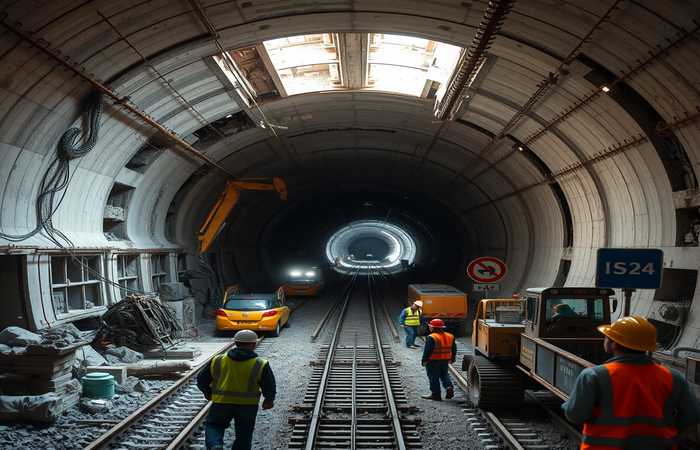
## East River Tunnel Rehabilitation: A Vital Step Towards Enhanced Rail Infrastructure
The ongoing rehabilitation of the East River Tunnel (ERT) in New York City, a critical artery for commuter rail services, marks a significant undertaking in the modernization and resilience of the region’s transportation infrastructure. Amtrak’s (National Railroad Passenger Corporation) commencement of construction and the phased shutdown of the first of two tubes underscore the commitment to restoring this vital link. This $1.6 billion project, driven by the damage sustained during Hurricane Sandy in 2012, is not merely a repair effort, but a comprehensive reconstruction designed to enhance the tunnel’s operational efficiency and longevity, ensuring the continued flow of passenger traffic for the future. This article will delve into the specifics of the ERT project, exploring the methodologies, challenges, and implications for both the commuters and the broader rail network.
## The Scope of the Project: Reconstruction and Modernization
The ERT rehabilitation is a complex endeavor that involves the complete reconstruction of two of the four tubes that comprise the tunnel. This extensive work will proceed in a phased approach, with one tube undergoing restoration at a time to minimize disruption to the daily commute. The process involves the complete deconstruction of the existing tube infrastructure down to its concrete liners. Following this, the tunnels will be meticulously reconstructed using modern equipment and materials, thereby ensuring enhanced structural integrity and operational capabilities. This is not a simple repair, but a comprehensive upgrade designed to meet the evolving demands of a modern rail system. The project also involves upgrading the tunnel’s electrical systems, ventilation, and other critical components, all of which are essential for safe and efficient operations.
## Mitigating Commuter Impact: A Phased Approach
Recognizing the crucial role the ERT plays in the daily commute for thousands of passengers, Amtrak has implemented several strategies to mitigate the project’s impact. Throughout the duration of the rehabilitation, three of the four tubes will remain operational, accommodating Amtrak, MTA (Metropolitan Transportation Authority) Long Island Rail Road, and New Jersey Transit trains. To further minimize disruption, Amtrak will provide round-the-clock engineering coverage, conducting more frequent safety inspections to monitor the tunnel’s condition, and strategically positioning rescue equipment to ensure passenger safety in case of an emergency. This meticulous planning underscores Amtrak’s commitment to maintaining service reliability while undertaking this large-scale infrastructure project.
## Engineering Challenges and Technical Considerations
The ERT project presents several engineering challenges. The construction environment is constrained, requiring careful management of space, equipment, and materials. Crews must work within a confined space, often in adverse conditions, while navigating the existing infrastructure. Furthermore, the project must comply with stringent safety regulations and environmental standards, adding to the complexity of the undertaking. The materials used in the reconstruction process must meet rigorous specifications to ensure durability and longevity. This involves selecting high-quality concrete, steel, and other components to withstand the test of time and the demanding operational environment of the tunnel. Additionally, the project incorporates advanced monitoring systems and diagnostic tools to detect potential issues early on, thus enabling proactive maintenance and preventing future disruptions.
## Conclusion: A Future-Proofing Investment in Rail Infrastructure
The East River Tunnel rehabilitation project represents a crucial investment in the future of New York City’s rail infrastructure. By completely restoring and modernizing the tunnel, Amtrak is not only repairing damage from Hurricane Sandy but also enhancing the reliability, safety, and capacity of the region’s vital transportation link. The phased approach, coupled with comprehensive mitigation strategies, aims to minimize disruptions for commuters while ensuring the long-term benefits of a robust and resilient rail system. This project exemplifies the commitment to building a transportation network capable of meeting the evolving needs of a growing population and preparing for future challenges. The ERT project is a vital step towards creating a more efficient, reliable, and sustainable transportation system for generations to come. The successful completion of this project will serve as a blueprint for similar infrastructure upgrades across the nation, demonstrating the value of investing in modernizing and strengthening existing rail assets.
***
**Country:** United States of America
**Date:** 2024
***
**Summary of Relevant Companies:**
* **Amtrak (National Railroad Passenger Corporation):** The primary entity leading and executing the East River Tunnel rehabilitation project. They are responsible for the planning, engineering, construction management, and overall financial oversight.
* **MTA (Metropolitan Transportation Authority) Long Island Rail Road:** Operates trains that utilize the East River Tunnel and is thus directly affected by the project.
* **New Jersey Transit:** Also utilizes the East River Tunnel, impacting operations during the construction phase.
RELATED POSTS

December 11, 2009 7:05 am
Rio de Janeiro's Metro Line 1 expanded to Barra da...

October 14, 2025 9:54 pm
Forty-five years ago, the Staggers Rail Act revolutionized the **freight-rail**...
November 2, 2006 1:20 pm
Madrid's new light rail system tackles traffic congestion, connecting suburbs...

November 12, 2025 10:54 am
FreightCar America Inc. reports strong Q3 revenue, while Hitachi Rail...

October 2, 2025 6:54 am
Scottish Government invests £3 million in a new Inverness rail...

December 9, 2016 10:00 am
The governments of Botswana and Namibia have expanded the scope...