
ELL Expands Vectron Fleet: 200 More Locomotives
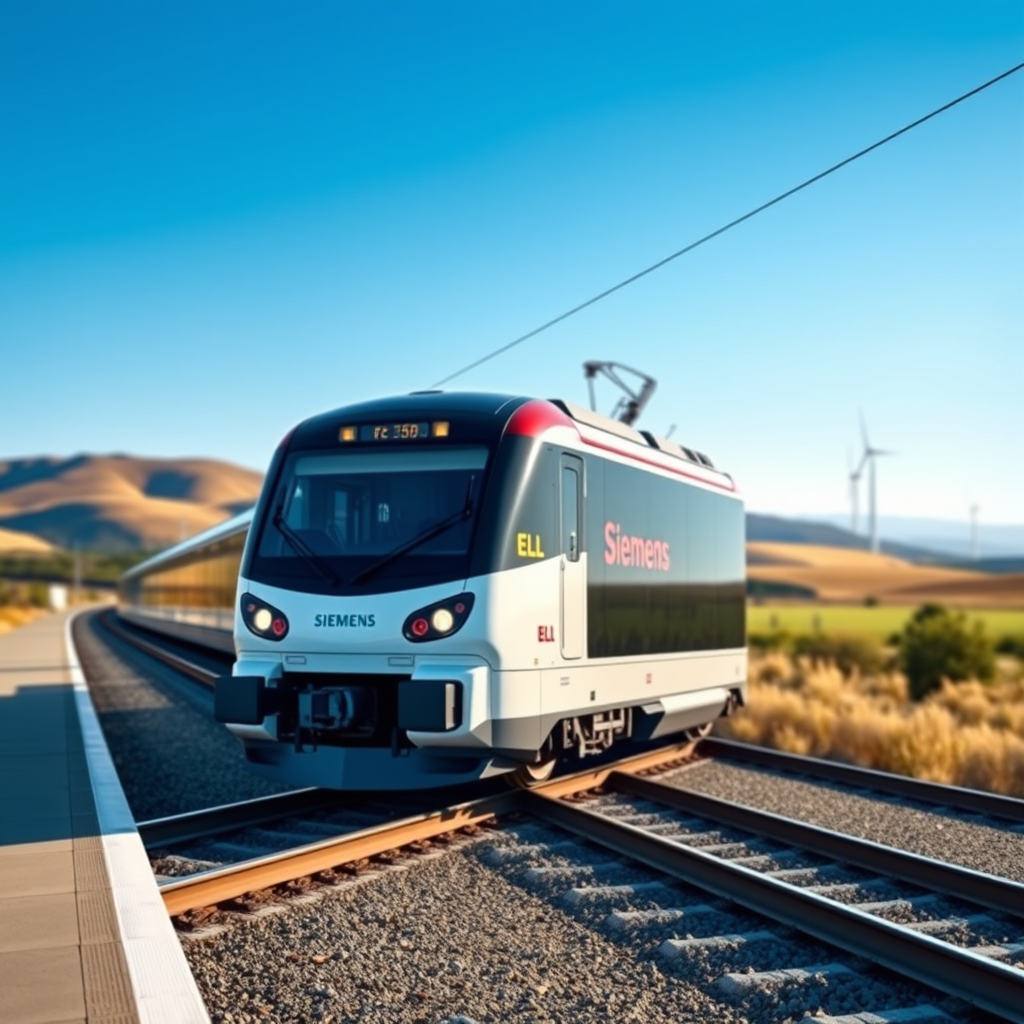
This article examines the significant expansion of the European Locomotive Leasing Group’s (ELL) Vectron locomotive fleet through a new framework agreement with Siemens Mobility. This agreement represents a substantial commitment to sustainable rail transport within Europe, highlighting the growing importance of environmentally friendly and cost-effective rail solutions. The deal involves the procurement of 200 additional Vectron locomotives, encompassing diverse power configurations suitable for both passenger and freight operations across various European railway networks. This substantial order builds upon a pre-existing strong relationship between Siemens Mobility and ELL, underscoring the reliability and versatility of the Vectron platform in fulfilling the evolving needs of the European rail freight and passenger markets. The strategic implications of this partnership, focusing on efficiency, sustainability, and market leadership, will be analyzed in detail, examining the technological advancements and environmental benefits associated with this major investment in the future of European rail.
The Expanding Partnership Between Siemens Mobility and ELL
The recent framework agreement between Siemens Mobility and ELL marks the fourth significant collaboration between the two companies. This reinforces a long-standing relationship built on the successful deployment of Vectron locomotives, demonstrating the platform’s reliability and adaptability to diverse operational requirements. The agreement encompasses the acquisition of 200 multi-system Vectron locomotives, expanding ELL’s already substantial fleet to over 300 units by 2027. This scale signifies a significant commitment to modernizing and expanding rail freight and passenger operations across Europe.
Technological Diversity and Operational Flexibility of the Vectron Platform
The 200 Vectron locomotives included in this agreement will feature a variety of power systems, including the Vectron Dual Mode (DM) units. This technological diversity enables operational flexibility across different European rail networks, accommodating varying electrification standards and offering cost-effective solutions where electrification is not available. The inclusion of both electric and diesel-electric locomotives caters to the specific needs of individual rail operators and routes, maximizing operational efficiency and reducing reliance on single-mode systems. The versatility of the Vectron is a key factor driving its popularity with leasing companies like ELL.
Sustainability and Environmental Considerations
ELL’s commitment to sustainability is a central theme in this agreement. The adoption of the Vectron Dual Mode (DM), capable of operating on both electric and diesel power, directly addresses environmental concerns. The use of electric power when available significantly reduces greenhouse gas emissions, while the diesel capability offers operational flexibility in non-electrified areas. This approach aligns with ELL’s broader “zero-emissions strategy,” representing a significant step toward decarbonizing the European rail transport sector. The potential for CO₂ emission reductions of 950 metric tons per locomotive underscores the environmental benefits of this fleet expansion.
Strategic Implications and Market Leadership
This agreement represents a crucial strategic milestone for both Siemens Mobility and ELL. For Siemens Mobility, it underscores the continued success and market acceptance of the Vectron platform. For ELL, the acquisition solidifies its position as a leading locomotive leasing company in Europe. The focus on standardized locomotive types improves operational efficiency and reduces maintenance costs, providing a competitive advantage in the market. The commitment to sustainability further enhances ELL’s market appeal, particularly given the growing emphasis on environmentally responsible transportation solutions. The expanded fleet strengthens ELL’s ability to respond to evolving customer demands and secures its market leadership in terms of customer-centricity, reliability, and operational efficiency.
Conclusion
The framework agreement between Siemens Mobility and ELL for the supply of 200 Vectron locomotives represents a significant development in the European rail sector. This partnership underscores the growing importance of sustainable and efficient rail transport solutions. The agreement’s key features, including the diversity of power systems offered by the Vectron platform (including the Vectron Dual Mode—DM), the commitment to sustainability through the reduction of CO2 emissions, and the overall impact on market leadership for both companies, collectively demonstrate a significant advancement in European rail operations. The expansion of ELL’s Vectron fleet significantly enhances its ability to meet the diverse needs of rail operators across Europe. The focus on standardization and sustainability positions both Siemens Mobility and ELL favorably within the evolving landscape of European rail transport, signaling a positive trend towards environmentally conscious and technologically advanced railway operations. The collaboration reflects a strategic commitment to advancing the sustainability and efficiency of the European rail network, contributing to a more environmentally friendly and economically viable future for rail freight and passenger transport. The Vectron’s flexibility, coupled with ELL’s commitment to full-service leasing, will likely drive further growth and innovation within the European rail industry. The success of this partnership showcases a viable model for sustainable growth and technological advancement in the rail sector, paving the way for future collaborations that prioritize efficiency, sustainability, and market leadership.
RELATED POSTS

July 7, 2025 12:33 am
Sydney Trains dispute ends, new deal ratified. Workers get...
November 15, 2025 1:54 am
Union Pacific and Norfolk Southern shareholders approve the railway merger!...

February 2, 2023 1:41 am
Amtrak’s Overnight Train Modernization: A Comprehensive Overview This article delves...

April 22, 2025 9:30 pm
Introduction This article delves into the significant upgrade of Alexandria’s...

July 28, 2015 12:52 pm
Japanase conglomerate Hitachi, Ltd. said it is in talks with the...
March 8, 2021 5:06 am
Introduction This article examines the significant role of Korea National...