
Siemens Goole Plant: UK Rail’s New Engine
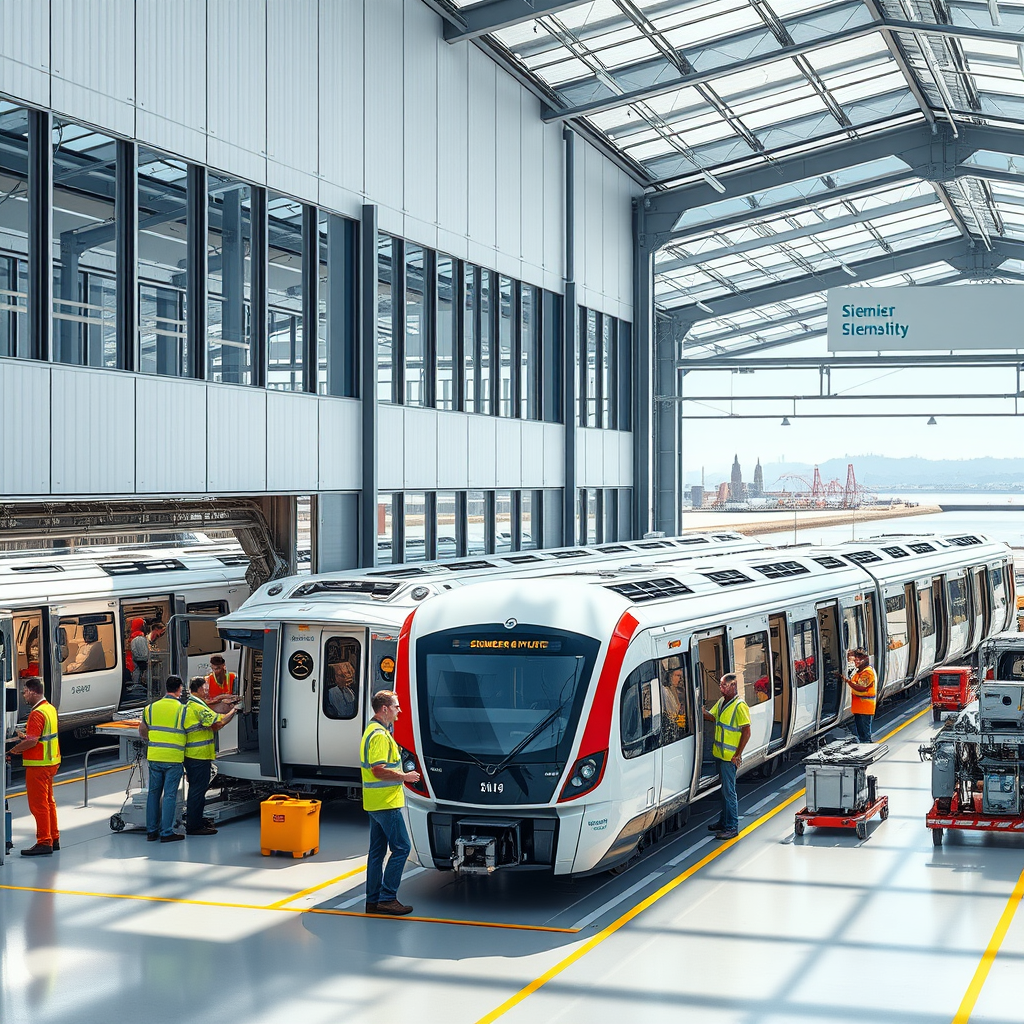
This article explores the significant development of Siemens Mobility’s new railway assembly plant in Goole, UK, and its broader implications for the British railway industry and the local economy. The establishment of this facility represents a substantial investment in British infrastructure and manufacturing, signaling a potential shift towards greater domestic production of rolling stock. We will examine the plant’s capabilities, its role in supplying new trains for the London Underground, its contribution to economic growth in the Yorkshire region, and the potential for future expansion based on governmental support and industry trends. The analysis will delve into the strategic importance of this project, highlighting its impact on job creation, supply chain development, and the promotion of technological advancements within the UK’s railway sector. Furthermore, the discussion will consider the environmental implications of this new facility and its alignment with the broader push for sustainable transportation solutions.
The Goole Assembly Plant: A New Hub for UK Rail Manufacturing
Siemens Mobility’s £200 million ($252 million) investment in the Goole facility marks a pivotal moment for UK rail manufacturing. This “sister factory” to Siemens’ Vienna plant will serve as a primary assembly location for new rolling stock destined for the London Underground (LU) and potentially other UK railway lines. The plant’s advanced manufacturing capabilities allow for efficient assembly of modern trainsets, including the Inspiro trains for the Piccadilly line. The selection of Goole, a strategically located port town in Yorkshire, also reflects the company’s commitment to leveraging regional infrastructure and expertise.
Meeting London’s Rolling Stock Needs
The Goole plant is already producing and testing new rolling stock for London’s Piccadilly line, with trains expected to enter passenger service in 2025. This project represents a substantial portion of Siemens Mobility’s commitment to upgrading the LU’s aging fleet. The successful assembly and testing of these trains demonstrate the plant’s operational readiness and ability to meet the stringent requirements of a major metropolitan railway system. The future potential for assembling trains for other lines, such as the Bakerloo line, further underscores the plant’s strategic importance in meeting the LU’s long-term rolling stock needs. This is however, dependent on securing long-term government funding.
Economic Impact and Local Partnerships
The Goole project extends far beyond the confines of the assembly plant itself. The “railway village” initiative includes a servicing facility, the Rail Accelerator for Innovation Solutions and Enterprise (RaisE) business center, and the Centre of Excellence for Railway Through-Life Engineering (part of the University of Birmingham). This integrated approach stimulates economic growth within the Yorkshire region, creating jobs and fostering collaborations between Siemens, local businesses, and educational institutions. The use of predominantly UK-based suppliers, with 70% sourced locally in Yorkshire, highlights the project’s commitment to boosting regional economies and supply chains. Siemens’ partnership with local schools also underscores their commitment to nurturing the next generation of engineers and bolstering the local talent pool.
Sustainability and Future Outlook
While the economic benefits are significant, the environmental impact of this venture must also be considered. The use of electric locomotives, a key aspect of modern railway systems, points towards a commitment to sustainable transportation. The long-term success of the Goole facility hinges on continued government support, securing future contracts for rolling stock, and adapting to evolving technological advancements within the rail industry. The factory’s capacity to adapt and innovate will be critical to its long-term viability and contribution to the UK’s railway modernization goals.
Conclusion
The Siemens Mobility assembly plant in Goole represents a substantial investment in UK rail infrastructure and manufacturing, signifying a move towards greater self-reliance in rolling stock production. The plant’s successful assembly of London Underground trains for the Piccadilly line demonstrates its operational capabilities and capacity to meet the needs of a major metropolitan railway system. The project’s broader economic impact, through job creation, supply chain development, and regional growth, is substantial. The “railway village” concept highlights the integration of various railway-related activities, fostering innovation and attracting further investment. However, the long-term success of the Goole facility hinges on securing continued government funding, which will be crucial to its ability to fulfill future projects such as the Bakerloo line replacement. The plant’s commitment to using local suppliers and partnering with schools showcases its dedication to local economic development and the development of a skilled workforce. Its focus on electric locomotives aligns with broader sustainability goals in the transportation sector. In conclusion, the Goole plant offers a promising model for future rail infrastructure developments in the UK, demonstrating the potential for economic growth, technological advancement, and a commitment to sustainable transportation when governmental support and industry collaboration are effectively aligned.
RELATED POSTS

December 20, 2017 2:52 am
Outdated rail infrastructure is holding back urban mobility. Modernizing...

November 2, 2016 6:49 pm
Passengers on the East Coast Main Line are to benefit...

Alstom has been awarded a 9-year maintenance contract by SJ...

March 1, 2025 11:41 pm
The modernization of the UK rail network is undergoing a...

April 21, 2025 2:26 pm
The acquisition of the Panama Canal Railway Company (PCRC) by...

October 18, 2024 10:27 am
These agreements highlight CAF’s commitment to providing sustainable and efficient...