
£70M Rail Upgrade: 550 UK Projects, Improved Service

Introduction: This article delves into Network Rail’s substantial £70 million investment in 550 railway upgrade projects across the United Kingdom. This significant undertaking aims to enhance passenger services, improve network reliability, and prepare the infrastructure for future demands. The investment encompasses a wide range of activities, from essential track renewals and resignalling efforts to station enhancements and integration with major projects like HS2 (High Speed 2). We will examine the specific projects undertaken, analyze their impact on passenger experience and overall network efficiency, and discuss the broader implications of this investment for the future of Britain’s rail network. The strategic importance of these upgrades in the context of increasing passenger numbers, aging infrastructure, and the push towards more sustainable and digitally advanced rail systems will also be explored. Finally, the article will assess the challenges involved in executing such a large-scale project and the measures taken to minimize disruption to passengers and communities.
Track and Signalling Upgrades: The Backbone of Improvement
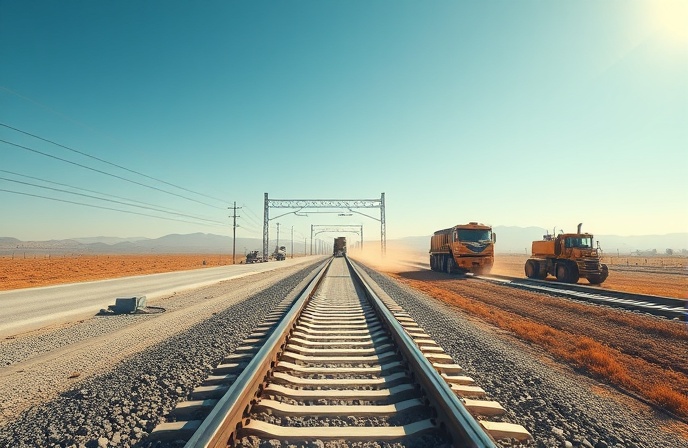
A substantial portion of the £70 million investment focuses on the renewal and upgrading of critical rail infrastructure. This includes extensive plain line track renewals, crucial for maintaining safe and efficient train operations. The replacement of worn-out rails and ballast (the crushed stone supporting the track) is essential for preventing derailments and ensuring smoother, faster journeys. Furthermore, significant work involves upgrading switches and crossings (points), complex components that allow trains to switch tracks. These upgrades are critical for managing train flows and enhancing operational flexibility. The projects also include vital resignalling works, upgrading the signalling systems that control train movements. Modern, reliable signalling systems are fundamental for increasing network capacity, enhancing safety, and improving punctuality. Examples of this work include the resignalling between London Victoria and Balham and the commissioning of new signalling equipment on the Northern City Line, a key part of the East Coast Digital Programme (ECDP).
Integration with Major Projects and Station Enhancements
Network Rail’s investment is not confined to routine maintenance; it also actively supports the integration of new infrastructure and the enhancement of existing facilities. The investment includes work on the HS2 (High Speed 2) project at London Euston and Watford North Junction, highlighting the strategic alignment of this initiative with national rail modernization efforts. This integration ensures seamless connectivity between the existing network and the new high-speed lines. Beyond HS2 integration, the investment includes station enhancement works, such as the roof renewal at Liverpool Street station and improvements at Gatwick Airport station. These enhancements aim to improve the passenger experience, providing more comfortable and modern facilities. The Transpennine Route Upgrade project, focusing on the upgrade of the line between Manchester and Stalybridge, further demonstrates the integrated approach towards network-wide improvements.
Minimizing Disruption and Prioritizing Safety
Undertaking such a large-scale upgrade project inevitably presents challenges. Network Rail acknowledges the potential for disruption to passenger services and has emphasized the importance of minimizing this impact. The scheduling of works, often carried out during planned engineering periods (e.g., bank holidays), aims to reduce disruption during peak travel times. The company’s commitment to completing the projects “swiftly and safely” underlines the importance placed on both efficiency and safety throughout the process. Effective communication with passengers, including advance journey planning advice, is crucial in mitigating any inconvenience caused by the necessary works. Furthermore, close collaboration with lineside neighbors is essential to manage any potential noise or other disturbances during construction.
Conclusions: Network Rail’s £70 million investment in 550 upgrade projects represents a significant commitment to modernizing and enhancing the UK’s railway network. The investment strategically targets essential infrastructure improvements, encompassing track renewals, signalling upgrades, and station enhancements. The inclusion of projects related to HS2 integration underscores the importance of aligning current infrastructure upgrades with the nation’s long-term rail development plans. The work undertaken demonstrates a commitment to improving both the reliability and efficiency of the rail network, leading to enhanced passenger experiences. While acknowledging the potential disruption caused by such extensive works, Network Rail’s emphasis on minimizing inconvenience and prioritizing safety is crucial. The successful execution of this investment program will not only improve the daily commute for millions of passengers but also lays the groundwork for future advancements in rail technology and sustainability. The commitment to improving efficiency, safety, and the passenger experience signals a positive outlook for the future of rail travel in the UK. Further investment in similar projects in the future will be crucial to maintain the long-term health and competitiveness of the railway network, especially given the increasing demands of a growing population and the need for environmentally sustainable transportation options.
RELATED POSTS
November 19, 2021 11:00 am
This article explores the Hong Kong–Shenzhen Western Express Railway (HKSWER),...
November 28, 2025 12:42 pm
California's high-speed rail project accelerates with a $3.5 billion RFP...

The region's most influential annual gathering of global innovators, futurists...

June 30, 2025 4:33 am
GB Railfreight restarts Horton Quarry rail freight, boosting UK sustainability....
June 18, 2022 1:43 am
Introduction This article delves into the Indian Railways’ (IR) ambitious...
August 6, 2021 3:31 am
Real-Time Passenger Information and the Future of Commuter Rail: The...