
GB Railfreight & Horton Quarry: UK Rail Freight Boosts Sustainability
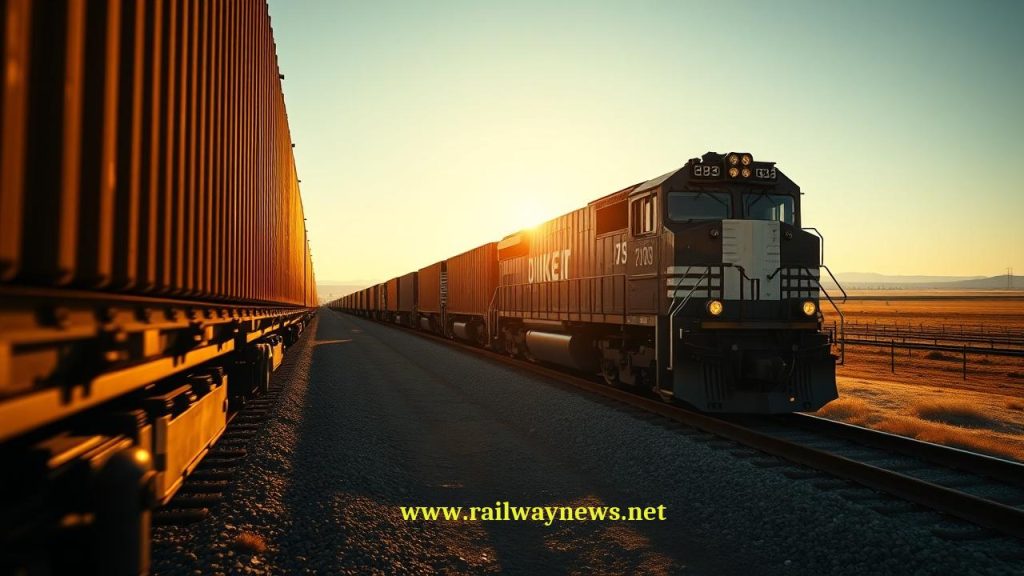
GB Railfreight restarts Horton Quarry rail freight, boosting UK sustainability. Rail service resumes after 60 years, using less road transport.
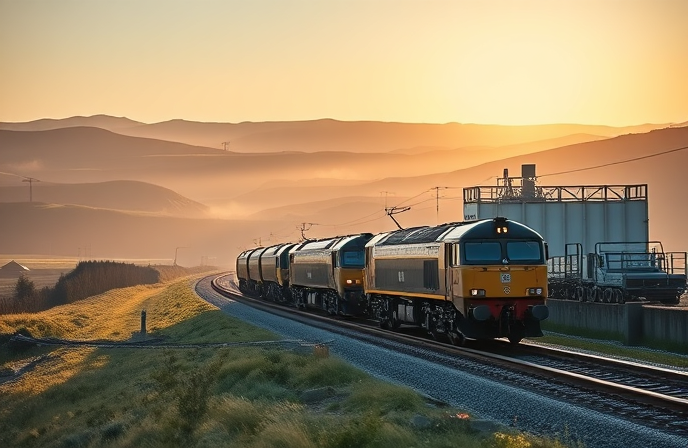
GB Railfreight Revives Rail Freight at Horton Quarry, Boosting Sustainability and Efficiency
In a significant milestone for the UK rail freight sector, GB Railfreight (GBRf) has successfully launched its first freight train service into Horton Quarry, Ribblesdale, North Yorkshire. This marks the resumption of rail operations at the quarry after a hiatus of nearly six decades, dating back to 1965. The project, spearheaded by GBRf in collaboration with Heidelberg Materials UK, aims to revitalize freight transport, promote sustainability, and streamline the distribution of construction materials. This article will examine the key aspects of this project, including the operational benefits, environmental impacts, and strategic implications for both companies and the wider rail freight landscape.
Revitalizing Rail Operations at Horton Quarry
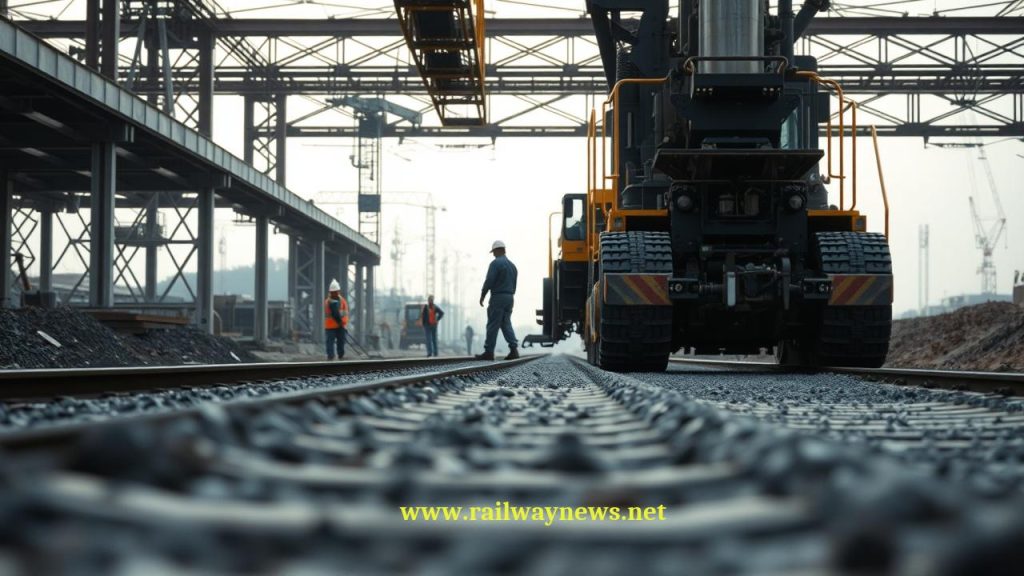
The reopening of the rail link at Horton Quarry represents a strategic move to optimize logistics and reduce reliance on road transport. Heidelberg Materials UK, the quarry owner, invested in a newly constructed rail terminal within the site. This facility is currently undergoing a two-week testing phase to ensure operational efficiency and safety standards are met. The location of the quarry in North Yorkshire places it strategically to support the regular dispatch of aggregate materials, specifically limestone and high-quality gritstone, to construction projects across the North West region. The return to rail is crucial for Heidelberg Materials’ regional distribution strategy, facilitating the movement of materials efficiently and sustainably.
Operational Efficiencies and Capacity Enhancement
The efficiency gains of transporting materials by rail are substantial. Each train operated by GB Railfreight will be capable of carrying approximately 1,650 tonnes of limestone. This equates to the removal of up to 129 lorry journeys from the road network per fully loaded service. This drastic reduction in road traffic not only helps to alleviate congestion but also significantly enhances the safety of roads and contributes to decreased carbon emissions associated with haulage. The move reflects a broader industry trend towards adopting more sustainable and environmentally friendly freight solutions.
Environmental and Sustainability Benefits
The environmental advantages of transitioning to rail freight are significant. By shifting a substantial volume of construction materials from road to rail, the project contributes to a reduction in carbon emissions from transport. This aligns with the UK’s broader environmental objectives. The reduction in road traffic also has the added benefit of improving air quality. This project serves as a tangible example of how re-utilizing existing infrastructure and adopting more sustainable transport methods can have a positive impact on both the environment and the efficiency of the supply chain.
Strategic Partnerships and Industry Leadership
The success of the Horton Quarry project highlights the strategic importance of collaboration within the freight industry. John Smith OBE, Chief Executive Officer of GB Railfreight, emphasized the commitment to growing rail freight through projects like this. The project showcases the commitment of both companies to working together and is a testament to their shared vision for a more sustainable and efficient future for freight transport. Becky Murphy, Aggregates Regional Director at Heidelberg Materials UK, highlighted the benefits of this collaboration and it’s role in providing high-quality aggregates to construction projects by rail.
Conclusion
The revival of rail freight operations at Horton Quarry marks a pivotal development in the UK’s transportation landscape. The project demonstrates the potential for reducing road traffic, cutting carbon emissions, and improving overall operational efficiency within the construction materials supply chain. This initiative directly supports the strategic goals of both GB Railfreight and Heidelberg Materials UK while setting a positive example for the wider industry. The success of the Horton Quarry project could serve as a blueprint for future projects, encouraging further investment in rail infrastructure and promoting the adoption of sustainable freight solutions. As the demand for construction materials continues to grow, the ability to transport them efficiently and with minimal environmental impact will become increasingly important. The shift towards rail freight reflects a broader industry trend toward optimizing supply chains and embracing sustainable practices. It positions both GB Railfreight and Heidelberg Materials UK as leaders in the transition towards a greener and more efficient transport sector. Looking ahead, this project is likely to inspire similar initiatives, contributing to the growth and sustainability of the rail freight industry.
Company Summaries
GB Railfreight (GBRf): A leading UK rail freight operator, GB Railfreight is renowned for its diverse portfolio of freight services. It transports a wide range of commodities, including construction materials, waste, and intermodal traffic. GBRf operates across a comprehensive network of UK rail lines, continually investing in its fleet and infrastructure to meet the evolving demands of the freight market. The company is a significant contributor to the UK’s rail freight growth and is committed to enhancing its sustainability and service offerings.
Heidelberg Materials UK: A subsidiary of Heidelberg Materials, a global building materials company, Heidelberg Materials UK is a major player in the UK construction industry. The company produces and supplies a wide range of construction materials, including aggregates, cement, and ready-mixed concrete. Heidelberg Materials UK is committed to sustainable practices and actively seeks to optimize its supply chain through rail and other environmentally friendly transport solutions. It’s investment in the Horton Quarry project highlights this commitment and demonstrates a forward-thinking approach to the construction industry.
RELATED POSTS

April 7, 2026 4:33 pm
From HS2's $137bn to California's $126bn rail disaster — discover...
April 2, 2026 9:48 am
China expanded its high-speed rail network to 50,000 km by...
April 1, 2026 6:21 pm
Federal Transit Administration awarded $20.6 billion in formula-based apportionments to...
April 1, 2026 2:14 pm
Saudi Arabia Railways launched a 1,700 km freight rail corridor...
April 1, 2026 8:40 pm
BNSF Railway expands Galesburg, Illinois, yard capacity, with second hump...
April 1, 2026 12:10 pm
Alstom secured a €410 million contract from CFR SA to...