
Eurostar: 100% Renewable Energy by 2030
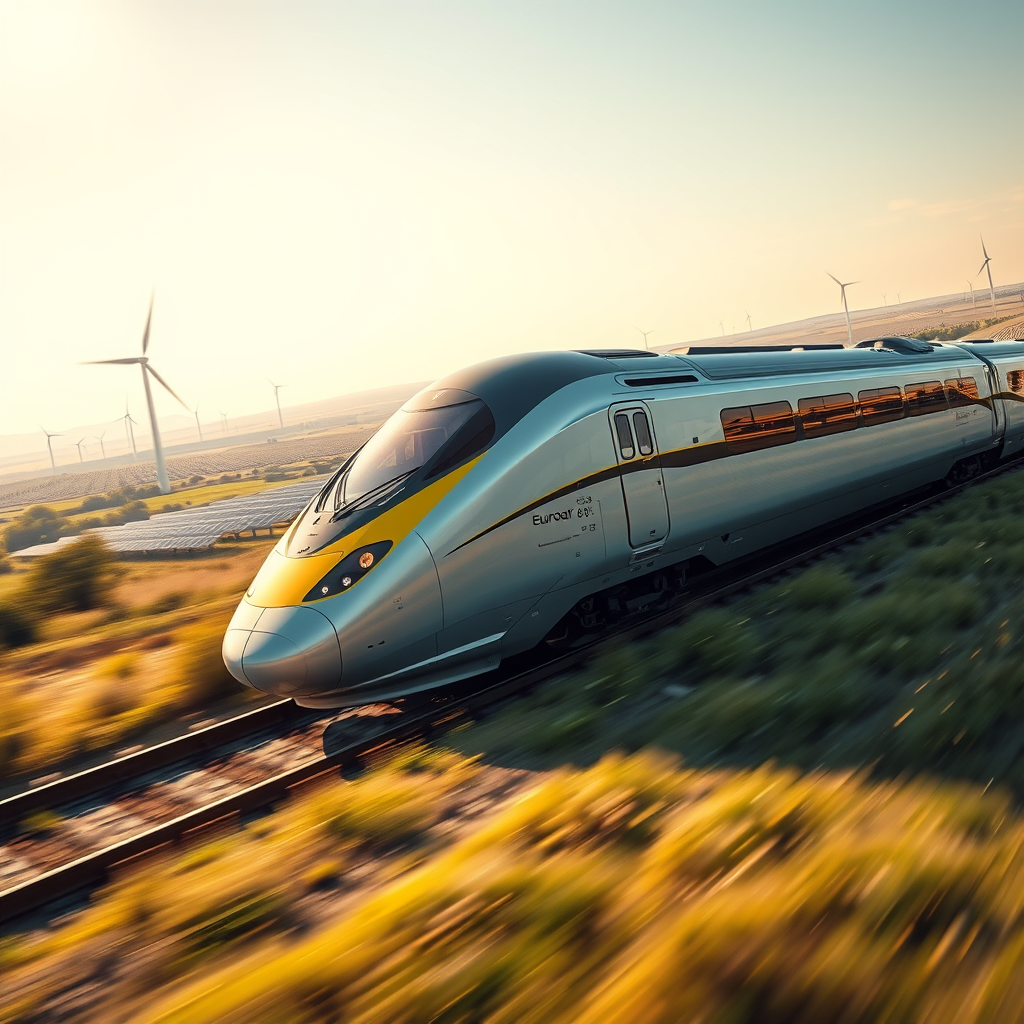
Eurostar’s Ambitious Green Transition: Achieving 100% Renewable Energy by 2030
This article delves into Eurostar’s comprehensive sustainability strategy, focusing on its ambitious goal of transitioning to 100% renewable energy by 2030. This commitment, outlined in their first sustainability report, signifies a significant step towards decarbonizing the high-speed rail sector and underscores the company’s dedication to environmentally responsible operations. The transition involves not only internal operational changes but also crucial collaborations with infrastructure partners across its extensive network spanning the UK, France, Netherlands, Belgium, and Germany. Eurostar’s aim extends beyond simply powering its trains; it seeks to become a model for sustainable travel in Europe, influencing industry practices and advocating for regulatory support to facilitate widespread renewable energy adoption within the railway sector. This analysis will examine the strategic initiatives undertaken by Eurostar, the challenges involved in such a large-scale transition, and the broader implications for the future of sustainable high-speed rail.
Current Renewable Energy Utilization and Partnerships
Eurostar has already made considerable progress in its renewable energy journey. The company reports 100% renewable electricity sourcing in the Netherlands, a notable achievement demonstrating the feasibility of large-scale green energy integration. In the UK, they’ve achieved a 40% renewable energy share, showcasing ongoing efforts towards complete decarbonization. Furthermore, a memorandum of understanding (MOU) with Infrabel (Belgian railway infrastructure manager) signals a collaborative approach to exploring and implementing innovative solar energy projects in Belgium. These partnerships are pivotal, highlighting the crucial role of collaborative efforts between rail operators and infrastructure providers in advancing the sustainability agenda. The success of these initiatives indicates a viable path towards a fully renewable energy-powered network across Eurostar’s operational area.
Operational Scale and the Electrification Advantage
Eurostar operates a fully electric fleet of 51 high-speed trains. This inherent electrification advantage provides a solid foundation for the transition to renewable energy. Half of its fleet serves the UK-continental Europe routes via the Channel Tunnel, demonstrating the operational scale and complexity of the undertaking. The remaining trains operate within mainland Europe, connecting major cities across Germany, France, the Netherlands, and Belgium. The size and geographical distribution of Eurostar’s operations highlight the challenges and opportunities presented by integrating renewable sources across diverse national grids and regulatory landscapes. The company’s commitment to using 100% renewable energy across this extensive network showcases ambition and signifies the potential for large-scale decarbonization within the high-speed rail sector.
The Synergies of the Eurostar Group and Wider Industry Impact
The 2022 merger with Thalys to form the Eurostar Group, with SNCF (Société Nationale des Chemins de fer Français – French National Railway Company) holding a 55.75% stake, has significantly bolstered Eurostar’s sustainability ambitions. This consolidation offers increased resources and leverage to negotiate favorable energy contracts and drive policy changes conducive to renewable energy adoption. The combined entity’s size and influence within the European rail landscape enable it to champion sustainable practices on a broader scale, influencing other operators and advocating for supportive regulations. This strategic alignment positions Eurostar as a significant player in shaping the future of sustainable high-speed rail across Europe.
Beyond Renewable Energy: A Holistic Sustainability Approach
Eurostar’s sustainability report extends beyond renewable energy, encompassing a broader commitment to environmental responsibility. The company aims to integrate circular economy principles throughout its value chain, minimizing waste and optimizing resource utilization. This holistic approach acknowledges that sustainability encompasses multiple facets beyond energy sourcing. By focusing on reducing waste, improving resource efficiency, and promoting sustainable procurement, Eurostar demonstrates a comprehensive commitment to minimizing its environmental footprint. This multifaceted strategy showcases a mature understanding of sustainability, moving beyond single-point solutions towards systemic change.
Conclusion
Eurostar’s ambitious goal of achieving 100% renewable energy by 2030 represents a significant milestone in the decarbonization of the European high-speed rail sector. The company’s progress, evidenced by its success in the Netherlands and ongoing partnerships with infrastructure providers like Infrabel, demonstrates the feasibility of large-scale renewable energy integration within the rail industry. The merger with Thalys and the strong backing from SNCF have amplified Eurostar’s influence and resources, enabling a more impactful approach to sustainability. However, success hinges on continued collaboration with infrastructure partners, supportive regulatory frameworks, and advancements in renewable energy technologies. The commitment to a holistic sustainability approach, extending beyond energy sourcing to encompass waste reduction and resource optimization, illustrates a comprehensive understanding of environmental responsibility. Ultimately, Eurostar’s journey serves as a compelling example for other rail operators, showcasing how ambition, strategic partnerships, and a commitment to holistic sustainability can drive meaningful change towards a greener future for high-speed rail. Their success will not only benefit the environment but will also strengthen their brand image and position them as leaders in sustainable transportation, attracting environmentally conscious passengers and furthering the broader adoption of sustainable practices across the rail industry.
RELATED POSTS

November 7, 2020 11:03 am
This article explores the strategic investment by Knorr-Bremse, a leading...

April 18, 2025 8:44 am
Modernizing Poland’s Regional Rail Network: Koleje Mazowieckie’s New FLIRT Fleet...
August 27, 2020 6:19 pm
This article explores the significant upgrade to the UK rail...
September 6, 2025 10:24 pm
Stadler secures 10 new electric trains for Stockholm's Roslagsbanan line,...
September 14, 2021 6:24 am
This article examines the significant introduction of Stadler’s EuroDual hybrid...
August 10, 2020 8:11 pm
Introduction The global railway industry faces constant pressure to improve...