
RegioJet’s €133M Train Investment: Modernizing Czech Rail
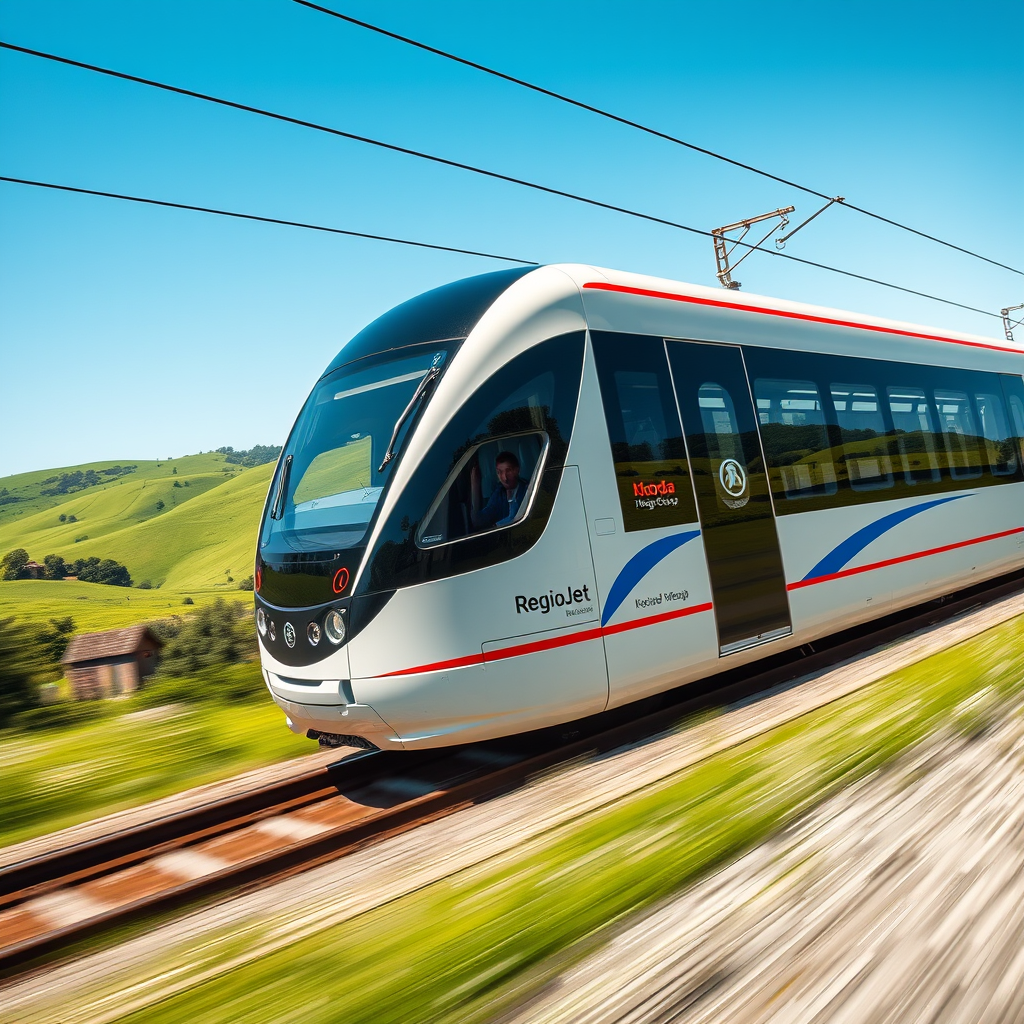
This article examines the significant investment by RegioJet, a leading Czech public transport provider, in new electric multiple unit (EMU) trains from Škoda Group. This €133 million ($146 million) order comprises 23 trains—15 two-car and 8 three-car units—destined for service in the Ústí nad Labem region of the Czech Republic. The acquisition represents a substantial commitment to modernizing its fleet and enhancing passenger experience. The purchase is part of a broader Kč4.5bn ($198m) two-year investment plan focused on fleet expansion and upgrades. This strategic move by RegioJet reflects not only a growing demand for efficient and comfortable rail travel but also an increasing emphasis on environmental sustainability and operational efficiency within the Czech railway network. The article will delve into the technical specifications of the new trains, the broader implications of this investment for RegioJet’s operations, and the wider context of modernization within the Czech railway system.
RegioJet’s Fleet Modernization Strategy
RegioJet’s decision to invest in 23 new EMUs from Škoda Group underscores a proactive approach to fleet modernization. The acquisition of these high-speed, low-floor trains (capable of 160 km/h) significantly increases capacity, offering seating for between 142 and 228 passengers depending on the configuration, including dedicated first-class accommodations. This commitment to passenger comfort and capacity expansion reflects RegioJet’s strategy to meet growing passenger demand and maintain a competitive edge in the Czech rail market. The investment aligns with broader industry trends favoring modern, comfortable, and accessible rolling stock. This procurement further demonstrates RegioJet’s focus on improving operational efficiency by utilizing modern, reliable equipment. The phased delivery, with initial units expected by the end of 2026, allows for a controlled integration into existing operations minimizing service disruption.
Technical Specifications and Operational Impact
The chosen Škoda Group EMUs offer several key advantages. The low-floor design enhances accessibility for passengers with reduced mobility. The high-speed capability (160 km/h) allows for faster journey times and improved service frequency. The use of electric traction contributes to a reduced carbon footprint, aligning with the growing emphasis on environmentally sustainable transportation solutions. The integration of these new units will enhance RegioJet’s operational efficiency, allowing for better schedule adherence and increased passenger throughput. The increased seating capacity directly addresses the needs of a growing ridership, particularly in the Ústí nad Labem region. The versatility of the two- and three-car configurations provides operational flexibility, enabling RegioJet to tailor train lengths to varying passenger demand levels throughout the day.
The Broader Context of Czech Railway Modernization
RegioJet’s substantial investment contributes to a larger trend of modernization within the Czech Republic’s railway sector. The government’s commitment to upgrading infrastructure and enhancing railway services creates a supportive environment for private operators like RegioJet. This investment demonstrates confidence in the future of rail travel in the Czech Republic, as RegioJet seeks to capitalize on the expanding demand and improved infrastructure. This procurement strategy not only benefits RegioJet but also contributes to the broader modernization of the national rail network, enhancing its overall capacity and efficiency. The ripple effect includes job creation in manufacturing and maintenance, as well as improved connectivity for the citizens of the Ústí nad Labem region. The move by a leading private operator signals a positive trend of private investment fostering public infrastructure development.
Financial and Strategic Implications for RegioJet
The €133 million investment represents a significant financial commitment for RegioJet. However, this expenditure is part of a broader Kč4.5bn ($198m) two-year fleet investment plan, indicating a long-term strategic vision for growth and market leadership. The purchase of the Škoda Group EMUs, along with last year’s order of 13 Alstom Traxx MS3 locomotives for domestic and international services, points to a comprehensive strategy of fleet renewal and expansion. This investment strategy positions RegioJet to benefit from increased passenger numbers and improved operational efficiencies. The increased capacity and improved service quality will likely attract new passengers and increase revenue streams. The long-term sustainability of this investment rests on continued demand for rail travel and the success of RegioJet’s operational strategies in integrating these new assets.
Conclusions
RegioJet’s order of 23 new electric multiple unit (EMU) trains from Škoda Group marks a pivotal moment in the modernization of the Czech Republic’s railway system. This €133 million investment, part of a broader Kč4.5bn two-year fleet renewal program, showcases a clear commitment to enhancing passenger experience, increasing operational efficiency, and embracing environmentally sustainable practices. The procurement of these state-of-the-art trains, with their high-speed capabilities (160 km/h), low-floor designs for accessibility, and increased passenger capacity (142-228 seats), will significantly impact service quality in the Ústí nad Labem region. This investment is not just about acquiring new rolling stock; it’s a strategic move designed to solidify RegioJet’s position in the Czech rail market, attract new passengers, and meet growing ridership demand. The integration of these new EMUs, alongside the previously ordered Alstom locomotives, signifies a comprehensive approach to fleet modernization and enhances RegioJet’s ability to provide reliable and efficient rail services. The success of this substantial investment hinges on factors such as maintaining consistent passenger demand, efficient integration of the new trains into existing operational structures, and a supportive regulatory environment within the Czech railway sector. This project serves as a prime example of private investment driving public infrastructure improvements and underlines the growing importance of sustainable and efficient rail transport solutions in modern Europe. The initiative contributes significantly to the ongoing modernization of Czech railways and reflects a positive trend of private sector involvement in enhancing national infrastructure.
RELATED POSTS

July 20, 2021 7:01 am
The UK’s railway system is undergoing a significant transformation, driven...

October 21, 2025 11:54 am
DB InfraGO commits over EUR 4 billion in 2026 for...
September 16, 2022 2:27 am
This article delves into the significant advancements in the construction...
July 7, 2020 5:10 am
Development of Very High-Speed Rail in Russia: A Collaborative Approach...
March 6, 2022 9:13 am
Union Station Enhancement Project: A Deep Dive into Toronto’s Rail...
April 21, 2022 6:16 am
The ongoing conflict in Ukraine has profoundly impacted its railway...