
Holdom Overpass: Vancouver Port’s Rail Revolution
Introduction
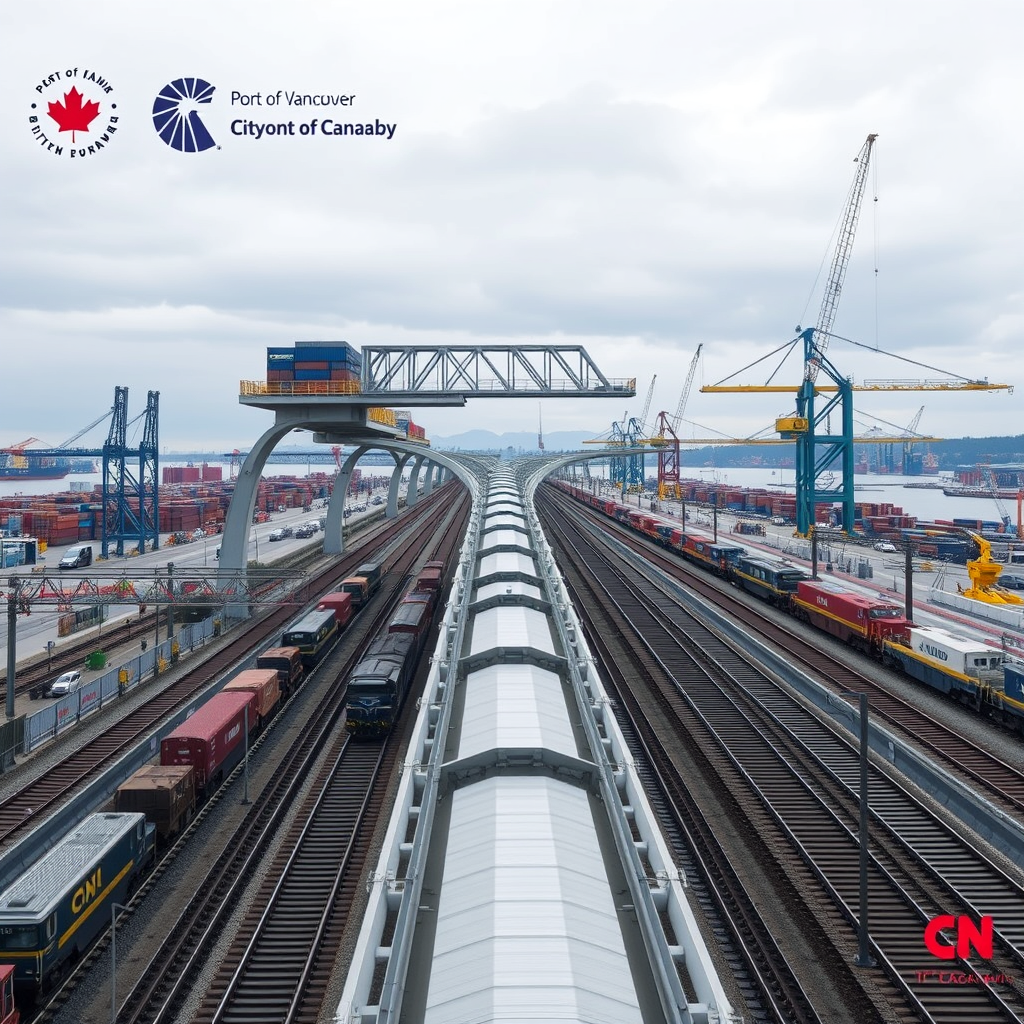
This article explores the crucial infrastructure development project underway at the Port of Vancouver: the construction of the Holdom Overpass. This overpass, a key component of the larger Burnaby Rail Corridor Improvements Project, aims to significantly enhance rail capacity and operational efficiency at the port’s terminals. The project’s importance extends beyond simple capacity increases; it addresses critical safety concerns for the public, integrates community input from both public consultations and First Nations representatives, and underscores the collaborative nature of major infrastructure projects involving multiple stakeholders—the Port of Vancouver, the City of Burnaby, the Government of Canada, and CN Rail (Canadian National Railway). The subsequent sections will delve into the project’s rationale, design considerations, anticipated benefits, and the broader implications for the Canadian economy and trade logistics.
Addressing Congestion and Enhancing Rail Capacity
The Port of Vancouver, a vital artery for Canadian international trade, experienced significant congestion on its rail lines. In 2023, over 40% of the port’s total international export cargo utilized the rail corridor affected by the current bottlenecks. The Holdom Overpass directly addresses this congestion by creating a grade separation. By moving road traffic over the rail lines, rather than at-grade crossings, the project eliminates the delays and safety hazards inherent in shared rail and road infrastructure. This improved operational efficiency translates to increased train frequency and faster transit times, ultimately leading to a substantial increase in the volume of goods moved through the port.
Safety Improvements and Community Engagement
The project is not solely focused on increasing capacity; it prioritizes public safety. Eliminating at-grade crossings inherently reduces the risk of collisions between trains and road vehicles. The design phase incorporated extensive consultations with the public and First Nations representatives. This engagement process was crucial in shaping the overpass design and mitigating potential environmental impacts, particularly on the surrounding Still Creek and Beecher Creek areas. The resulting landscaping improvements reflect a commitment to environmental stewardship and community well-being.
Collaboration and Economic Benefits
The Holdom Overpass is a testament to successful collaboration between various stakeholders. The Vancouver Fraser Port Authority, the City of Burnaby, the Government of Canada, and CN Rail worked in tandem to secure approvals, design, and fund the project. This collaborative model ensures alignment of objectives and facilitates efficient project implementation. The economic benefits are substantial. Enhanced rail capacity will strengthen Canada’s supply chains, boosting economic growth and international competitiveness. Faster and more reliable rail transportation reduces transportation costs for businesses and ultimately benefits consumers.
Conclusions
The approval and subsequent commencement of construction of the Holdom Overpass mark a significant milestone in enhancing the efficiency and resilience of the Port of Vancouver’s rail infrastructure. This project goes beyond simple capacity expansion; it prioritizes safety, community engagement, and environmental considerations. The collaborative approach, involving the Port of Vancouver, City of Burnaby, Government of Canada, and CN Rail, exemplifies effective partnership in tackling large-scale infrastructure challenges. The anticipated benefits are substantial, ranging from reduced congestion and improved safety to enhanced economic productivity and strengthened global supply chains for Canada. The project’s success will serve as a model for future infrastructure development, demonstrating the importance of comprehensive planning, stakeholder collaboration, and a commitment to sustainable practices in creating resilient and efficient transportation networks. The projected completion in 2027 promises a significant boost to Canadian trade and reinforces the Port of Vancouver’s position as a key gateway for international commerce. The emphasis on integrating public and First Nations input into the design highlights the importance of considering the societal and environmental impacts of such large-scale projects, promoting long-term community well-being alongside economic development.
RELATED POSTS

August 25, 2021 6:25 am
The Beerburrum to Nambour Rail Upgrade (B2N) project represents a...
June 24, 2018 6:31 am
The UK's rail infrastructure needs a £1 billion renewal boost....

February 15, 2017 3:00 am
China Railway Construction’s consortium says it has signed a $1.85...
August 20, 2019 3:21 am
Simplifying the UK Rail Ticketing System: A Comprehensive Analysis The...
March 9, 2022 1:31 pm
Introduction This article delves into the significant 2022 capital investment...
