
Gothenburg’s New Alstom M34 Trams: A Sustainable Transit Revolution
Introduction
This article delves into the recent delivery of sixty new Alstom M34 trams to Gothenburg, Sweden, by analyzing the significance of this investment for Västtrafik (the public transport company), the city’s infrastructure, and the broader implications for sustainable urban transportation. The expansion of Gothenburg’s tram network represents a substantial commitment to improving public transit capacity and efficiency, addressing the growing demands of a rapidly urbanizing city. We will examine the technological advancements incorporated into the M34 trams, comparing them to their predecessors, the M33 model, and discuss the economic and logistical challenges associated with such a large-scale rolling stock procurement and implementation project. Finally, we will consider the wider context of Alstom’s presence in the Swedish railway market and the future trends in sustainable urban transit solutions.
Alstom’s M34 Tram Delivery to Gothenburg: A Capacity Boost
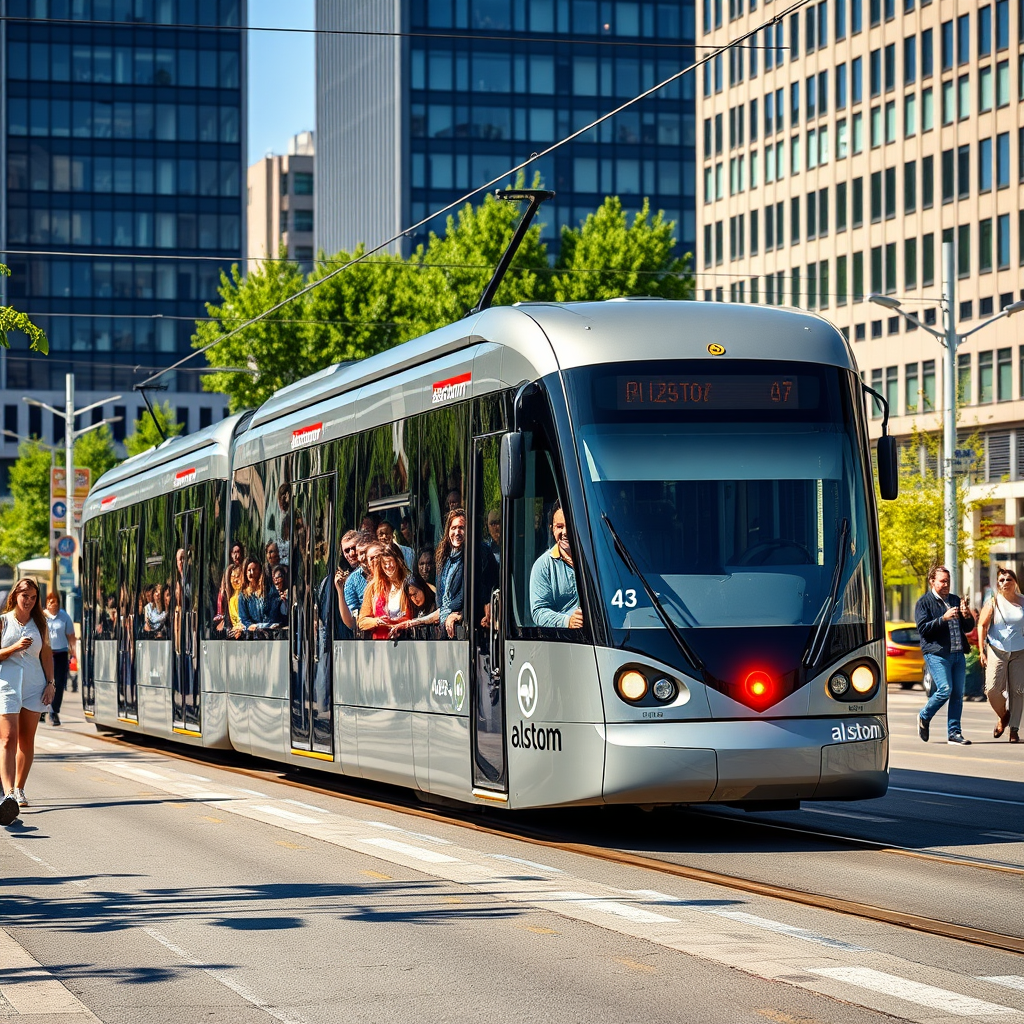
Alstom’s delivery of the first M34 tram marks a significant step towards modernizing Gothenburg’s public transportation system. The 45-meter-long trams, a considerable 12 meters longer than the existing M33 model, nearly double the passenger capacity, accommodating up to 319 passengers per tram. This increase in capacity is crucial for meeting the growing transportation needs of Gothenburg’s expanding population and promoting the shift from private vehicles to public transport. The increased capacity directly translates to reduced crowding, improved passenger comfort, and a more efficient utilization of the existing tram network infrastructure.
Technological Advancements and Operational Efficiency
The M34 trams represent a substantial leap in technology compared to the older M33 models. While specific details about the technological upgrades may not be publicly available, the increased passenger capacity and the involvement of a major rolling stock manufacturer like Alstom suggest improvements in several areas. This might include advancements in accessibility features, improved braking systems, enhanced energy efficiency, and possibly the integration of Intelligent Transportation Systems (ITS) for optimized route management and real-time passenger information. These advancements are essential not only for enhancing the passenger experience but also for improving the overall efficiency and reliability of the Gothenburg tram network.
Economic Considerations and Project Management
The €100 million ($111.5 million) investment by Västtrafik represents a considerable financial commitment. The procurement process, including the tendering, contract negotiation, and manufacturing of 60 trams, required meticulous planning and execution. The successful delivery of the first tram demonstrates the effective project management capabilities of both Alstom and Västtrafik. However, the long-term economic viability of this investment depends on several factors, including passenger ridership, operational costs, and potential future maintenance expenses. Successfully managing these factors will be key to ensuring the long-term success of this project and justify the initial financial outlay.
Alstom’s Strategic Position in the Swedish Market and Future Trends
Alstom’s ongoing involvement in various Swedish railway projects, including the Gothenburg tram expansion and their expanded contract with the Stockholm metro, underscores their strong market position in the country. This highlights the growing demand for modern, sustainable, and high-capacity public transport solutions. The success of the Gothenburg tram project will likely influence future infrastructure investments in other Swedish cities, promoting further adoption of similar sustainable transport models. The increasing focus on electric and low-emission public transport, combined with advancements in ITS and intelligent train control systems, will shape future trends in the railway industry, driving innovation and enhancing the overall passenger experience.
Conclusions
The delivery of Alstom’s M34 trams to Gothenburg signifies a major advancement in the city’s public transportation system. The substantial increase in passenger capacity, enabled by the longer and more technologically advanced trams, directly addresses the growing transportation needs of the city and contributes significantly to its sustainability goals. This €100 million investment by Västtrafik, successfully managed by both Västtrafik and Alstom, demonstrates a clear commitment to improving public transit. The project’s success hinges on long-term factors such as ridership, operational costs, and maintenance. Alstom’s continued success in the Swedish market, evidenced by their involvement in multiple projects, highlights the increasing demand for advanced, sustainable public transport solutions. This Gothenburg project serves as a model for other urban centers seeking to enhance their public transit networks, demonstrating the effectiveness of investing in modern rolling stock and the resulting positive impact on urban mobility and sustainability. The future of urban transport appears to be firmly focused on high-capacity, efficient, and environmentally friendly solutions, a vision exemplified by Gothenburg’s new tram fleet. The long-term impact of this initiative will be closely monitored as a benchmark for future urban transportation strategies worldwide.
RELATED POSTS

January 28, 2023 6:03 pm
The railway industry is undergoing a significant transformation, driven by...

October 3, 2009 12:20 pm
The World Bank has released $14m of a $44m loan...
April 7, 2023 5:29 pm
This article explores the significant £9 billion ($11.2 billion USD)...
March 11, 2022 11:41 pm
Revolutionizing Railway Maintenance: Real-time Track Monitoring with Digital Sensors The...
March 11, 2020 2:11 am
Enhanced Hygiene Protocols in Public Transportation Systems: A Case Study...

February 17, 2025 8:59 pm
This article examines the significant role of Aecom in the...