
HS2’s Smart Rail: A Tech Partnership for Success
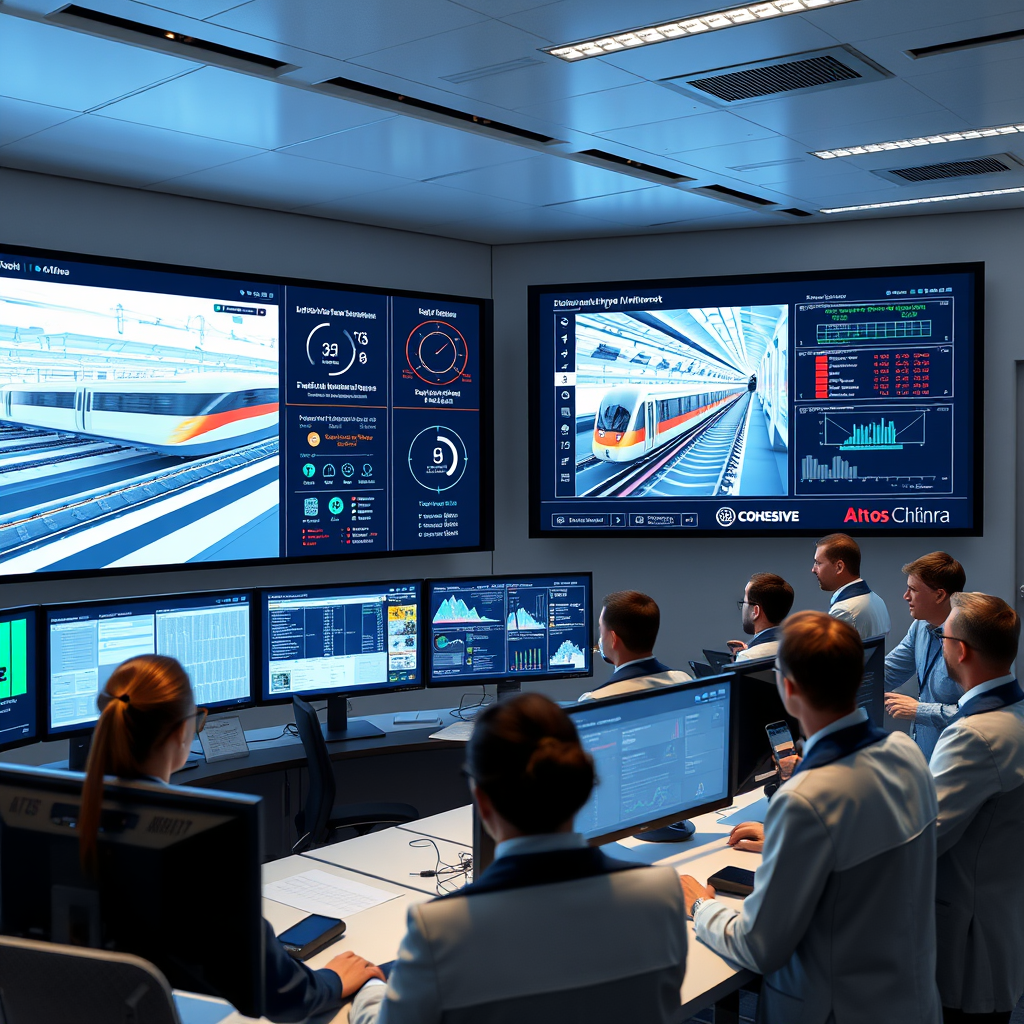
HS2’s Enhanced IT Partnership: A Strategic Move for High-Speed Rail Delivery
The High-Speed 2 (HS2) project, a significant undertaking in the UK’s railway infrastructure development, recently announced a renewed and expanded IT partnership. This article delves into the strategic implications of this decision, analyzing the composition of the new consortium, the technological advancements it promises, and the overall impact on the project’s success. The focus will be on the enhanced capabilities brought by this partnership, particularly in areas such as digital twinning, artificial intelligence (AI) integration, and the overall resilience and flexibility of the HS2 IT infrastructure. We will examine how this partnership addresses the challenges of delivering a complex high-speed rail network, emphasizing the importance of robust IT systems in ensuring efficient operations and future-proofing the railway for decades to come. The analysis considers the potential for leveraging advanced technologies to improve operational efficiency, enhance passenger experience, and contribute to the long-term sustainability of the HS2 project.
The Renewed Atos Partnership and Consortium Formation
HS2 Ltd, responsible for the delivery of the high-speed rail line, extended its existing contract with Atos, a leading European cybersecurity firm. However, this renewal marks a significant departure from the previous arrangement. Instead of a sole-supplier contract, a consortium has been formed, comprising Atos, Cohesive, Arup, Chimera Datalabs, and Futuria. This strategic move leverages the specialized expertise of each partner, creating a synergistic effect that promises to enhance the overall delivery of the HS2 IT infrastructure. Atos brings its extensive experience with HS2 and its business change expertise, while Cohesive, Arup, Chimera Datalabs and Futuria contribute their specialized skills in digital twinning, railway engineering, data analytics and AI, respectively.
Digital Twin Technology and AI Integration
A key element of this partnership is the development of digital twins for the HS2 infrastructure. Digital twins are virtual representations of physical assets, mirroring their real-world counterparts in real-time. This technology allows for predictive maintenance, optimized operational planning, and improved decision-making. By integrating AI capabilities from Futuria, the digital twins can be enhanced to simulate various scenarios, predict potential issues, and optimize resource allocation. This proactive approach minimizes disruptions and contributes to the overall efficiency and resilience of the HS2 network. The expertise of Arup, a global leader in engineering design and consulting, is invaluable in integrating domain-specific railway knowledge into the digital twin model.
Enhanced Resilience, Flexibility, and Value
The renewed partnership emphasizes the importance of resilience and flexibility in the HS2 IT ecosystem. The consortium’s diverse expertise and collaborative approach contribute to a robust and adaptable IT infrastructure. This enhanced resilience ensures that the HS2 railway can withstand unforeseen challenges and adapt to changing operational requirements. The integration of advanced technologies such as AI and digital twins further bolsters this adaptability, allowing for proactive problem-solving and optimized resource management. The strategic focus on enduring collaborative arrangements underscores HS2’s commitment to long-term value and sustainable partnerships.
Conclusion
The extended IT partnership between HS2 Ltd and the Atos-led consortium represents a pivotal step in the delivery of the UK’s high-speed rail network. The formation of the consortium, incorporating diverse expertise in areas such as cybersecurity (Atos), data analytics (Chimera Datalabs), engineering (Arup), software development (Cohesive) and artificial intelligence (Futuria), addresses the complexities of building and operating a high-speed rail system. The emphasis on digital twin technology and AI integration highlights a proactive approach to managing the infrastructure, enabling predictive maintenance, optimized resource allocation, and enhanced resilience. This strategic partnership moves beyond a simple technology provision to a collaborative model that fosters innovation, improves efficiency, and enhances the long-term viability of the HS2 project. The focus on enduring collaborative arrangements demonstrates a commitment to building a sustainable and adaptable IT ecosystem capable of supporting the operational needs of the railway for decades to come. The successful implementation of this partnership will not only contribute to the timely delivery of HS2 but also serve as a model for future large-scale infrastructure projects, showcasing the transformative potential of integrating advanced technologies and collaborative partnerships within the rail industry. The seamless integration of these diverse technological solutions, alongside the robust governance structure ensured by the collaborative approach, positions HS2 for optimal operational efficiency, reduced maintenance costs, enhanced safety measures, and ultimately, a superior passenger experience. The enduring legacy of this innovative partnership will likely shape the future of high-speed rail technology across the globe.
RELATED POSTS

November 24, 2016 7:05 am
The first three lines of Phase I of the Doha...

August 7, 2025 7:33 pm
FreightCar America's Q2 2025 revenue dipped, but order backlog surged....

June 16, 2021 10:13 am
Introduction This article examines the significant revitalization of railcar manufacturing...
August 18, 2025 10:51 pm
Deutsche Bahn modernizes its network, expanding high-speed rail and freight...
April 16, 2018 5:47 am
Bristol's £130 million digital signalling upgrade: Network Rail's success...

May 28, 2025 5:17 pm
**Revitalizing Rail: The Rebirth of KiwiRail’s Hillside Workshops** The city...