
Vossloh DE 18: Green Revolution in Swedish Rail
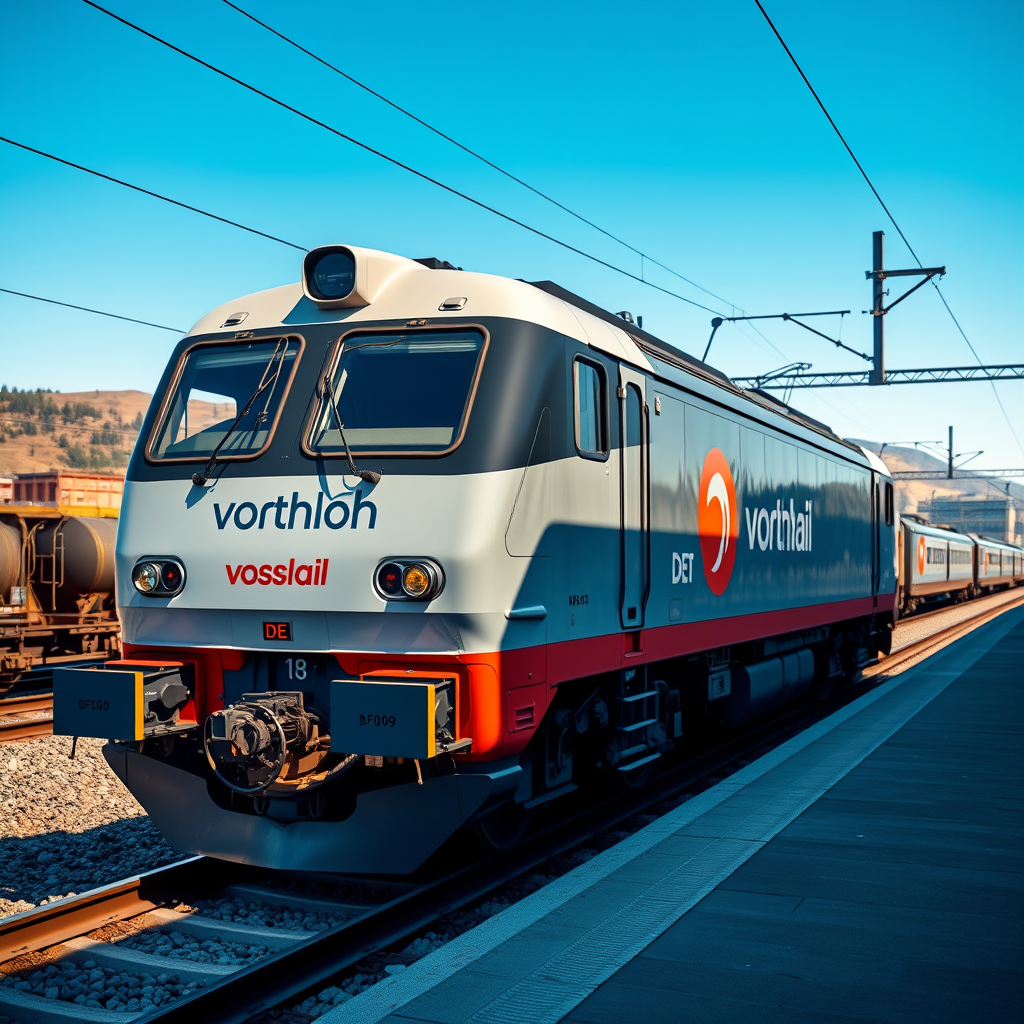
This article delves into the recent delivery of a Vossloh DE 18 locomotive to Northrail for operation in Sweden, highlighting the significance of this event within the broader context of sustainable and efficient rail transportation. The delivery marks a crucial step in Northrail’s fleet modernization and underscores the growing demand for environmentally friendly locomotives in the Scandinavian region. We will examine the technical specifications of the DE 18, focusing on its diesel-electric design, Stage V engine technology (which significantly reduces emissions), and its compatibility with Hydrotreated Vegetable Oil (HVO) fuel. Furthermore, the article will explore the homologation process, specifically addressing the integration of the European Train Control System (ETCS) and the Swedish Automatic Train Control (ATC-2) system. Finally, we will consider the wider implications of this project, including its contribution to reducing carbon emissions in the rail industry and the strategic partnerships involved.
The Vossloh DE 18 Locomotive: A Technological Overview
The Vossloh DE 18 is a diesel-electric mid-cab locomotive designed for heavy shunting and mainline operations. Its key feature is its advanced Stage V engine, adhering to stringent emission standards and significantly reducing harmful pollutants compared to older locomotive models. The adoption of Stage V technology demonstrates a commitment to environmental sustainability. The locomotive’s compatibility with HVO fuel further enhances its environmental credentials, potentially reducing CO₂ emissions by up to 90% compared to traditional diesel fuel. This adaptability to alternative fuels is crucial for achieving long-term sustainability goals in the rail sector. The mid-cab design optimizes visibility and maneuverability for both shunting and line haul operations. This versatile design makes the locomotive suitable for a wide variety of freight transport demands.
Homologation and System Integration: Meeting Swedish Standards
Before the DE 18 could operate in Sweden, it underwent a rigorous homologation process, a critical step ensuring compliance with national safety and operational standards. A key element of this process was the integration of the European Train Control System (ETCS) and the Swedish Automatic Train Control (ATC-2) system. ETCS is a pan-European standard for train control, enhancing safety and interoperability across national borders. The inclusion of ATC-2, the Swedish national system, ensures seamless integration with existing Swedish rail infrastructure. This dual system implementation reflects the increasing importance of interoperability and standardization in modern railway systems. Dynamic testing, involving rigorous performance evaluations under various operating conditions, forms an integral part of the homologation process. This testing is essential to validate the locomotive’s performance and safety in the Swedish environment.
Northrail’s Strategic Investment and Market Demand
Northrail’s order of ten DE 18 locomotives, with an option for ten more, indicates a significant investment in modernizing its fleet. This decision reflects a growing trend in the Scandinavian region toward sustainable and efficient rail transport. The company’s focus on low-emission locomotives underscores its commitment to environmental responsibility. The DE 18’s capabilities, combining power, flexibility, and reduced emissions, align perfectly with Northrail’s strategic goals. This investment signifies a shift towards greener technologies and a recognition of the long-term benefits of adopting sustainable practices within the rail industry.
Vossloh’s Role and Wider Implications
Vossloh’s delivery of the DE 18 locomotive reinforces its position as a key player in the global rail industry, particularly in providing sustainable and technologically advanced solutions. This project underscores their commitment to supporting the Scandinavian railway industry’s transition towards a more environmentally responsible future. The success of the DE 18 in Sweden could pave the way for further adoption of similar locomotives in other European countries, demonstrating the broader market potential for sustainable rail technology. Vossloh’s simultaneous involvement in other large-scale projects, like the contract with Morocco’s ONCF (Office National des Chemins de Fer) for high-speed rail infrastructure, further exemplifies their expertise and market reach.
Conclusion
The delivery of the Vossloh DE 18 locomotive to Northrail represents a significant milestone in the ongoing transition towards sustainable and efficient rail transportation in Scandinavia. The locomotive’s advanced Stage V engine technology, compatibility with HVO fuel, and integration of ETCS and ATC-2 systems showcases the technological advancements driving this change. Northrail’s strategic investment underscores the growing demand for environmentally friendly locomotives and highlights the economic and environmental benefits of adopting such solutions. The successful homologation and subsequent operational deployment of the DE 18 will likely influence other railway operators across Europe, prompting a broader adoption of sustainable rail technologies. Vossloh’s involvement, further strengthened by their ongoing contributions to other major railway projects, solidifies their position as a leader in providing sustainable and technologically advanced solutions for the global rail industry. The success of this project illustrates that modernization in the rail sector is not just about technological upgrades but also a vital step towards creating a more environmentally friendly and sustainable transportation system for the future. The long-term implications extend beyond immediate operational efficiency, impacting environmental policy, international collaboration on rail standardization, and the overall decarbonization of the freight transport sector.
RELATED POSTS

May 5, 2021 4:17 pm
This article explores the significant collaboration between ABB, a leading...

July 22, 2025 7:33 pm
New Taipei City invests $140M in MRT transit-oriented development, boosting...

June 16, 2025 5:01 pm
Brazil's Transnordestina Railway gets BRL 1 billion boost, expanding to...

September 28, 2025 1:54 am
APTA's new **Public Transportation Vehicle Database** reveals detailed insights into...

February 27, 2025 11:31 pm
Introduction This article examines the East West Rail (EWR) project...
July 10, 2021 8:45 am
This article examines the ongoing expansion of Edmonton’s Valley Line...