
Luxury Rail Reimagined: Dreamstar Lines
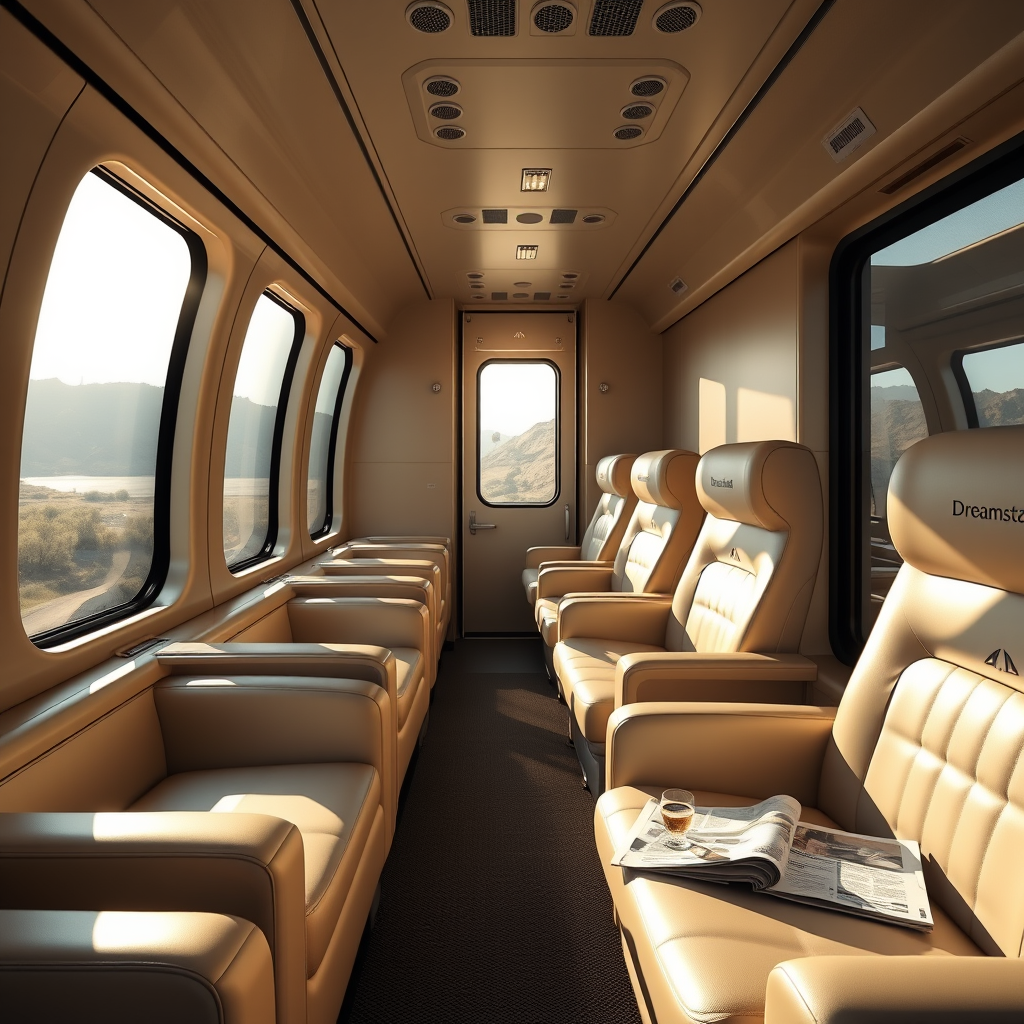
The resurgence of luxury passenger rail travel is gaining momentum, driven by a desire for comfortable and convenient alternatives to air and road travel. This article delves into the ambitious project undertaken by Dreamstar Lines, a new entrant aiming to redefine the luxury overnight rail experience. Dreamstar has commissioned the renowned design firm Designworks (a BMW Group company) to create the interior and exterior designs for its retrofitted passenger rail cars. This collaboration underscores the increasing importance of passenger comfort and aesthetic appeal in the modern rail industry. The design process encompasses not only the visual elements but also the functional aspects, striving for a harmonious blend of elegance and practicality within the confines of a moving vehicle. Furthermore, we will explore the broader context of this initiative, considering recent investments in the US rail sector and their implications for the future of luxury rail travel. This analysis will highlight the strategic decisions and market forces shaping the evolution of this exciting sector.
Luxury Rail Reimagined: The Dreamstar Lines Project
Dreamstar Lines’ ambitious goal is to provide a luxurious overnight rail service connecting major cities, initially focusing on the Los Angeles to San Francisco route. To achieve this, they have partnered with Designworks, leveraging their expertise in creating high-end interiors and exteriors. The design brief mandates the creation of first-class suites complete with private bedrooms and en-suite bathrooms, standard sleeping accommodations with similar amenities, and a dedicated lounge car featuring a bar and comfortable seating areas. This comprehensive approach reflects a commitment to delivering a premium travel experience that rivals the comforts of luxury hotels.
Strategic Design Choices and Brand Identity
Dreamstar’s selection of Designworks highlights the critical role of design in shaping brand perception. The choice emphasizes the company’s commitment to providing a superior passenger experience that aligns with luxury travel expectations. The collaboration aims to seamlessly integrate comfort, elegance, and a distinctive brand identity into the rail car design. The focus on both interior and exterior aesthetics is crucial; the exterior design will contribute to the brand’s overall visual identity, while the interior must deliver a consistently luxurious experience for passengers.
Market Positioning and Target Audience
Dreamstar Lines is targeting a diverse clientele, including business travelers seeking efficient and comfortable transport, families prioritizing convenience, and leisure tourists looking for a unique and enjoyable journey. By offering a sophisticated alternative to flying or driving, Dreamstar aims to capture a segment of the market that values a premium travel experience combined with the scenic beauty of rail travel. The company’s strategy directly addresses the growing demand for comfortable and stylish alternatives to traditional modes of transportation, capitalizing on the inherent appeal of train travel.
The Broader Context: Investment in US Rail Infrastructure
Dreamstar Lines’ initiative is part of a wider trend of increased investment and modernization in the US rail sector. Recent federal grants awarded to Amtrak and its Midwestern partners, as well as Brightline’s investment in high-speed rail connecting Southern California to Las Vegas, signals a renewed focus on upgrading and expanding passenger rail services. This investment fosters competition, stimulates innovation, and creates opportunities for luxury services like Dreamstar to flourish. The success of these projects will not only enhance intercity connectivity but will also shape the landscape of future rail travel, setting new benchmarks for both cost-effectiveness and passenger experience.
Conclusions
The Dreamstar Lines project, with its focus on luxury overnight rail travel and its collaboration with Designworks, represents a significant step towards modernizing and elevating the passenger rail experience in the United States. The emphasis on high-end design and amenities clearly positions Dreamstar to attract a discerning clientele seeking an alternative to air and road travel. The company’s strategic targeting of diverse market segments, combined with recent substantial investments in US rail infrastructure, suggests a promising outlook for the initiative. The success of Dreamstar will hinge on several key factors, including the successful execution of the design and retrofitting of its rail cars, the effective marketing and branding of its service, and the sustained demand for premium rail travel options. Ultimately, the project’s impact extends beyond Dreamstar itself; its success will contribute to the broader revitalization of passenger rail in the US, fostering innovation and setting new standards for comfort and luxury in the rail industry. The careful consideration of design, target market, and the broader context of industry investment point toward a potential shift in how we perceive and utilize long-distance passenger rail transport. If Dreamstar can effectively deliver on its promise of a truly luxurious and enjoyable overnight rail experience, it could significantly impact the future landscape of intercity travel and inspire further investment in the modernization and expansion of rail networks across the country.
RELATED POSTS

August 4, 2015 12:02 pm
Siemens-built Class 700 Desiro City train arrived in the United...

April 1, 2019 6:08 am
The Mumbai-Ahmedabad High-Speed Rail project: a $2.91 billion undertaking demanding...
February 18, 2025 2:43 am
Supporting Ukraine’s Railway System: An International Effort This article examines...
December 27, 2018 7:50 pm
Major rail players like Bombardier, British Steel, and Siemens are...
January 3, 2018 12:15 am
Revolutionize your railway with modernized infrastructure, cutting-edge technology, and sustainable...

October 6, 2023 9:58 am
UIC Leaflet No: 810-3 - Chapter 8 - Technical Specifications...
COMMENTS