
Wildcat Expansion: Boosting Uinta Basin Crude Oil Rail Capacity
Utah’s Wildcat Loadout Facility expands, boosting Uinta Basin crude oil rail transport. BLM approves 100,000 barrel daily capacity increase.
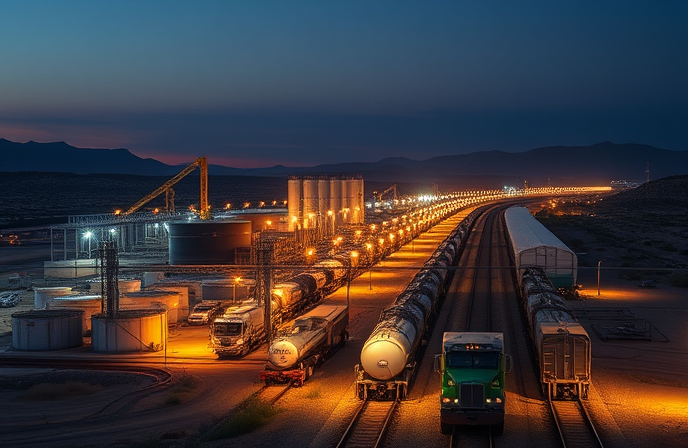
Wildcat Loadout Facility Expansion Approved, Boosting Uinta Basin Crude Oil Transloading
The U.S. Bureau of Land Management (BLM) on Monday authorized Coal Energy Group 2 LLC to expand its Wildcat Loadout Facility in Utah. This significant development, driven by a declared “national energy emergency,” will dramatically increase the facility’s capacity to transload crude oil from tanker trucks to rail cars. This expansion, approved under an accelerated environmental review, will allow for the processing of 100,000 barrels of oil daily onto trains travelling along the Colorado River, a substantial increase from the current 20,000 barrels. The project is located within the existing 270-acre footprint and involves significant infrastructure upgrades including new unloading areas, a tank farm, and advanced loading systems. This article will examine the implications of this expansion for the Uinta Basin, the rail industry, and the transportation of crude oil.
Accelerated Approval and the National Context
The BLM’s expedited approval, conducted within a 14-day environmental review, underscores the urgency surrounding energy supply. This rapid process, justified by the “national energy emergency” declaration by President Donald Trump, highlights the strategic importance of oil transportation infrastructure. The approval bypasses more comprehensive environmental assessments, raising questions about long-term environmental impacts, particularly regarding the increased volume of oil being transported by rail along the Colorado River. The decision reflects a broader push to maximize domestic energy production and streamline regulatory processes within the oil and gas sector. The justification for the speed of the approval rests on the belief that enhanced rail capacity will alleviate supply bottlenecks and bolster the national energy grid.
Operational Enhancements and Infrastructure Improvements
The Wildcat Loadout Facility will undergo substantial reconfiguration to accommodate the expansion. This includes the construction of new unloading areas, a tank farm, and upgraded loading systems. The addition of these components is essential to support the significant increase in throughput, aiming to handle the volume of oil arriving daily from tanker trucks. The BLM’s environmental analysis, as reported by The Salt Lake Tribune, details the planned upgrades. These improvements are critical for managing the increased volume of oil, which will be transported along the Colorado River for over 100 miles, ultimately destined for the Gulf Coast. These upgrades focus on creating a more efficient system for moving crude oil from the Uinta Basin to the broader market, streamlining logistics to optimize delivery.
Rail Transportation and its Environmental Considerations
The expansion relies heavily on rail transport, with trains carrying up to 100,000 barrels of oil daily along a 100+ mile track. The environmental impact of transporting oil by rail is a significant concern. Safety protocols and infrastructure are paramount as the facility and rail operators will need to meet stringent safety standards to mitigate the risks of derailment or spills. The proximity of the rail line to the Colorado River necessitates robust environmental safeguards. The BLM’s environmental analysis addresses these concerns, outlining measures to minimize potential ecological damage from leaks, spills, and other incidents. The increased volume of rail traffic will also likely require upgrades to track maintenance and signaling systems along the route.
Conclusion
The approval of the Wildcat Loadout Facility expansion marks a significant development in the Uinta Basin’s oil transportation network. The accelerated approval process highlights the government’s commitment to bolstering domestic energy production, even as it raises environmental concerns. The facility’s increased capacity to transload crude oil to rail cars is poised to significantly enhance the efficiency of oil transport from the Uinta Basin. This move is expected to impact both the rail industry by increasing freight volume and the overall energy supply chain in the region. The project faces the ongoing need to balance enhanced capacity with the implementation of robust safety measures and effective environmental protection, particularly concerning the Colorado River’s proximity. Future developments will depend on how effectively Coal Energy Group 2 LLC navigates the complex requirements of increased production and transport.