
UK Rail: River Cole Realignment Improving Infrastructure Resilience
River Cole realignment project boosts UK rail infrastructure resilience, enhancing stability and mitigating flood risks.
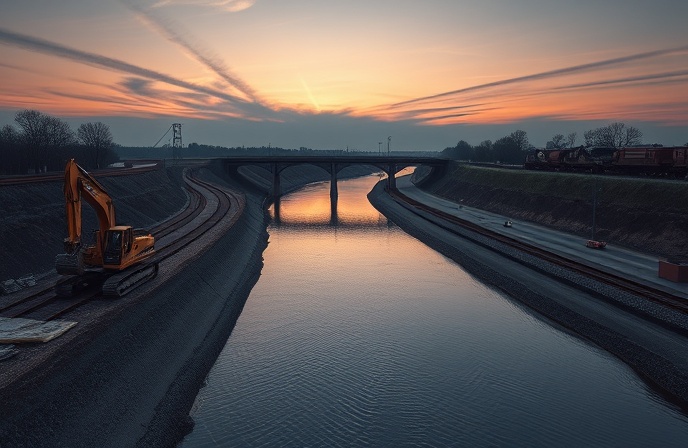
Realigning the Future: Optimizing Railway Infrastructure with the River Cole Realignment Project
The railway industry is constantly evolving, demanding innovative solutions to overcome geographical challenges and enhance operational efficiency. A prime example of this is the ongoing project focusing on the River Cole realignment, a critical undertaking impacting rail infrastructure in the UK. This initiative involves the strategic modification of waterways to improve the stability and performance of existing rail lines. But who is involved, what is the project’s scope, when is it happening, where is it taking place, why is it necessary, and how is it being accomplished? This article delves into the specifics of the River Cole realignment project, examining its technical aspects, anticipated benefits, and implications for the future of railway engineering and operations. The project aims to mitigate flooding risks, improve track stability, and potentially unlock capacity enhancements along the affected rail corridors.
Mitigating Flood Risks through Strategic Waterway Management
One of the primary drivers behind the River Cole realignment is the need to address and mitigate the risks associated with flooding. Frequently, rivers and streams pose a direct threat to railway infrastructure, potentially causing track washouts, embankment failures, and service disruptions. The River Cole realignment project, therefore, encompasses a carefully planned series of engineering interventions designed to divert or channel the river’s course. This often involves the construction of new channels, reinforced embankments, and sophisticated drainage systems. The careful management of water flow during extreme weather events is paramount. This proactive approach significantly reduces the vulnerability of the railway to flooding, thereby improving its resilience and reliability. The project also incorporates predictive modeling and early warning systems to proactively manage potential disruption.
Enhancing Track Stability and Long-Term Infrastructure Durability
Beyond flood prevention, the River Cole realignment is also fundamentally about improving the long-term stability and durability of the railway track and supporting infrastructure. The constant erosive action of water on embankments and supporting structures can lead to significant degradation over time, increasing maintenance costs and potentially leading to safety concerns. The realignment project often incorporates advanced geotechnical engineering techniques, such as soil stabilization and the use of erosion-resistant materials. This will reduce the impact of water flow. This ensures that the rail track is secure and in good repair. These advancements are designed to safeguard the track, reducing the need for extensive repairs and replacements. The long-term benefits of the River Cole realignment project are considerable, contributing to a more robust and dependable railway system, with lowered ongoing maintenance costs.
Navigating the Complexities of Environmental Impact Assessments (EIAs) and Approvals
Implementing a project of the scale of the River Cole realignment presents a considerable regulatory and environmental challenge. Thorough Environmental Impact Assessments (EIAs) are critical, meticulously evaluating the potential effects on the local ecosystem, wildlife habitats, and surrounding communities. A key aspect involves the assessment of any modifications to the river’s flow patterns and its impact on aquatic life. This entails careful consideration of mitigation strategies to minimise any adverse effects. This could include the creation of new habitats, the planting of vegetation, and the implementation of measures to protect water quality. Obtaining the necessary approvals from regulatory bodies, such as the Environment Agency in the UK, is a protracted and complex process. This underlines the necessity for robust environmental stewardship and collaborative relationships with all relevant stakeholders throughout the River Cole realignment project.
Conclusion
The River Cole realignment project represents a significant investment in the long-term sustainability and operational efficiency of the railway system. By addressing flood risks and enhancing track stability, the initiative strengthens the railway’s resilience in the face of increasingly unpredictable weather patterns, and helps ensure its service reliability for passengers and freight operators. The project underlines the importance of proactive infrastructure management and the integration of advanced engineering techniques to overcome the operational challenges. The project is not just about redirecting a river, it is about building a safer and more resilient railway infrastructure for the future. It exemplifies how the railway industry adapts to climate change and technological advancements. Future projects can learn from the River Cole realignment to optimize the design and construction of new infrastructure projects, ultimately shaping the landscape of railway engineering for years to come.
RELATED POSTS
April 1, 2026 12:10 pm
Alstom secured a €410 million contract from CFR SA to...
April 1, 2026 2:14 pm
Saudi Arabia Railways launched a 1,700 km freight rail corridor...
April 1, 2026 5:39 pm
The U.S. Surface Transportation Board proposed a 1.5% annual US...
April 1, 2026 4:31 pm
Network Rail upgraded Berrylands station platforms for £6 million, replacing...
April 1, 2026 6:21 pm
Federal Transit Administration awarded $20.6 billion in formula-based apportionments to...