
NZ’s Northland Line: $204.5M Rail Upgrade

This article examines the significant upgrade project undertaken by KiwiRail on the Northland Line in New Zealand. The project, funded by a substantial NZD204.5 million investment from the Provincial Growth Fund (PGF), aims to dramatically improve journey times, enhance resilience, and boost the overall reliability of the rail line connecting Auckland and Whangarei. This revitalization is crucial not only for freight transport efficiency but also for reducing road congestion and lowering carbon emissions. The upgrade involves complex engineering tasks, including bridge replacements, tunnel improvements, and track upgrades, necessitating a temporary suspension of rail services. This presents challenges for freight customers, highlighting the delicate balance between necessary infrastructure improvements and the immediate operational needs of the rail network. The project’s success will demonstrate the potential of strategic rail investments in improving regional connectivity, economic efficiency, and environmental sustainability within New Zealand.
Northland Line Upgrade: A Necessary Investment
The Northland Line upgrade is a critical infrastructure project for New Zealand. The existing infrastructure, including aging bridges and tunnels, has limited the line’s capacity and operational efficiency. The NZD204.5 million investment from the PGF signifies the government’s commitment to modernizing the country’s rail network and improving regional connectivity. The upgrade will allow for the transportation of hi-cube containers (containers exceeding standard height dimensions), opening up new possibilities for freight transport and potentially reducing reliance on road transport. This shift towards rail freight has significant implications for reducing traffic congestion on already strained roads and lowering greenhouse gas emissions associated with heavy road transportation.
Engineering Challenges and Solutions
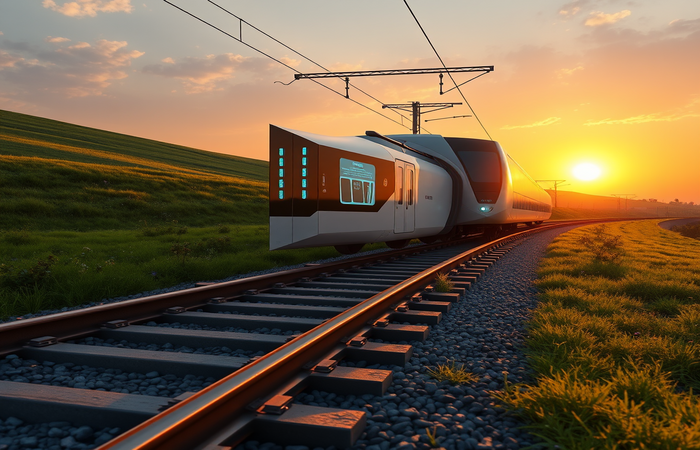
The upgrade project presents substantial engineering challenges. The replacement of five aging bridges and the improvement of thirteen tunnels require specialized expertise and equipment. The temporary closure of the line between Swanson and Whangarei, necessary for the completion of these works, illustrates the complexity of the undertaking. KiwiRail’s use of specialized track-laying equipment underscores the technological demands of the project. The phased approach to the work, aiming to enable hi-cube container transport by Christmas, demonstrates a strategic plan to manage the challenges and deliver results efficiently. Careful planning and coordination are vital to ensure the project remains on schedule and within budget while minimizing disruption to freight services.
Impact on Freight Transport and Economic Development
The Northland Line upgrade will have a profound impact on freight transport in the region. The ability to transport hi-cube containers by rail will significantly increase the volume and types of goods that can be moved efficiently between Auckland and Whangarei. This is expected to stimulate economic growth in the Northland region by providing businesses with a more reliable and cost-effective transportation option. Furthermore, the reduction in road freight will alleviate traffic congestion on major highways, improving road safety and reducing travel times for other road users. This synergy between rail and road transport demonstrates the potential for integrated transport strategies to enhance both economic productivity and environmental sustainability.
Environmental Considerations and Sustainability
The shift from road to rail freight, enabled by the Northland Line upgrade, is a key element in New Zealand’s efforts to reduce greenhouse gas emissions. Rail transport is significantly more fuel-efficient than road transport, especially for heavy goods. By diverting freight traffic from roads to rail, the project will contribute to a reduction in carbon emissions, aligning with New Zealand’s environmental goals. Furthermore, the long-term benefits of the upgrade extend beyond immediate emissions reductions; improved infrastructure resilience will lead to greater long-term operational efficiency, minimizing future environmental impacts.
Conclusion
The KiwiRail upgrade of the Northland Line represents a substantial investment in New Zealand’s rail infrastructure, aiming to modernize the network and improve its efficiency and reliability. The project’s scope, encompassing bridge replacements, tunnel improvements, and track upgrades, presents considerable engineering challenges that necessitate a temporary suspension of rail services. However, the long-term benefits are substantial. The ability to transport hi-cube containers by rail will significantly enhance freight transport capacity, benefiting businesses in the Northland region and contributing to overall economic growth. The shift from road to rail freight will also contribute to environmental sustainability by reducing carbon emissions and alleviating road congestion. The successful completion of this project will serve as a model for future rail infrastructure development in New Zealand, demonstrating the potential of strategic investment to improve regional connectivity, stimulate economic growth, and promote environmental sustainability. The careful planning and execution of this ambitious undertaking underscore the importance of investing in robust and reliable rail infrastructure for a nation’s economic and environmental well-being. The temporary inconvenience caused by the line closure should be viewed within the context of these long-term benefits, ultimately leading to a more efficient, resilient, and sustainable transportation system for Northland and the wider New Zealand economy. The project’s success will be measured not only by the timely completion of the works, but also by its ability to deliver sustainable improvements in freight transport, economic growth, and environmental outcomes.
RELATED POSTS
June 9, 2025 10:01 pm
Alstom wins $182M contract for Chennai Metro Phase II expansion,...

November 17, 2025 5:54 pm
Shareholders greenlight the major **railroad merger** of Union Pacific and...
September 3, 2019 3:44 am
This article delves into the successful deployment of the Coradia...
November 28, 2025 5:42 pm
British Transport Police launches a six-month pilot of facial recognition...
May 17, 2019 12:08 am
Modernizing Chicago’s Red and Purple Lines: A Comprehensive Overhaul This...
October 6, 2023 6:46 pm
This article delves into the significant advancements made by Adif...