
Hong Kong High-Speed Rail: Beijing, Shanghai & Beyond
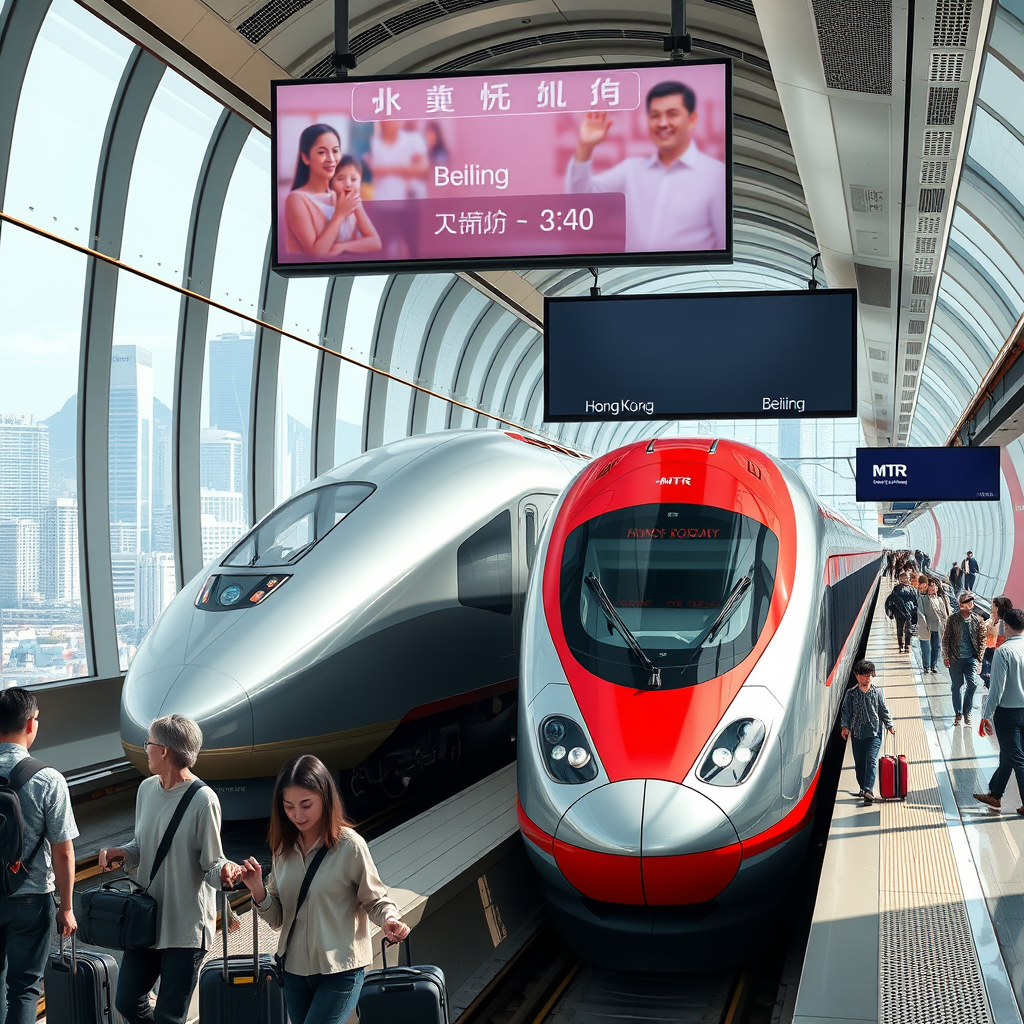
This article explores the recent expansion of high-speed rail (HSR) services connecting Hong Kong with mainland China, focusing on the strategic implications and operational advancements of this significant infrastructure development. The introduction of new overnight sleeper services to Beijing and Shanghai represents a pivotal step in enhancing connectivity and integration between Hong Kong and major Chinese cities. This expansion goes beyond simple infrastructural improvements; it reflects broader geopolitical considerations, economic strategies, and the ongoing evolution of the relationship between Hong Kong and mainland China under the “One Country, Two Systems” principle. We will examine the operational details of these new services, analyze their impact on travel patterns and economic activity, and discuss the wider political and strategic context within which this expansion is occurring. The implications for passengers, the railway industry, and the broader geopolitical landscape will be explored in detail.
Enhanced Connectivity and Travel Times
The launch of sleeper services to Beijing and Shanghai marks a significant improvement in travel convenience and efficiency. Previously, journeys to these major cities required extensive travel times, often exceeding 24 hours. The new services, utilizing 16-car trains (including 13 sleeping cars, one dining car, and two second-class seating cars), have dramatically reduced travel times. The journey to Shanghai is now approximately 11 hours, down from 19 hours, while the Beijing trip takes 12.5 hours instead of over 24 hours. This reduction in travel time opens up significant new opportunities for business and leisure travel, stimulating economic activity and facilitating closer personal and professional connections between Hong Kong and these key Chinese cities.
Economic and Strategic Implications
The expansion of HSR services is not merely a logistical improvement; it reflects a broader economic and strategic agenda. The Hong Kong MTR Corporation (MTR) CEO, Jacob Kam, explicitly linked the new services to the Chinese government’s policy of “deepening integration” between Hong Kong and the mainland. The improved connectivity facilitates the flow of goods, services, and capital, thereby strengthening economic ties. The reduced travel times also directly benefit the business sector, making it easier for professionals to travel between Hong Kong and mainland China for meetings, conferences, and other business activities. Furthermore, the increased accessibility for leisure travel boosts tourism and related industries in all participating regions.
Operational Aspects and Fare Structure
The new sleeper services operate on weekends, from Friday to Monday, offering a convenient travel option for those wishing to maximize their time in either city. The pricing of tickets, ranging from approximately $87 to $234 USD for Shanghai and $120 to $148 USD for Beijing, appears competitive with comparable economy flight options, offering a potentially attractive alternative for many travelers who may prefer the comfort and convenience of rail travel. The inclusion of premium sleeper cars on the Shanghai route further caters to the diverse needs and preferences of passengers. The significant increase in commuter routes to Southern Chinese cities like Guangzhou (26 services to Guangzhoudong), Shenzhen (159 services to Shenzhen), and Futian (106 services) highlights the growing demand and the robustness of the expanded rail network.
Geopolitical Context and “One Country, Two Systems”
The expansion of HSR links between Hong Kong and mainland China is inextricably linked to the complex geopolitical context shaped by the “One Country, Two Systems” principle. While Hong Kong enjoys a degree of autonomy, the ongoing integration efforts raise questions about the balance between Hong Kong’s separate identity and its increasing integration with mainland China. This expansion is a tangible manifestation of the Chinese government’s efforts to further integrate Hong Kong into the mainland’s economic and political systems. The ongoing debate surrounding this integration necessitates a nuanced understanding of the political sensitivities involved, acknowledging both the opportunities and challenges presented by this deepening connectivity.
Conclusion
The expansion of high-speed rail services connecting Hong Kong with mainland China, particularly the introduction of overnight sleeper trains to Beijing and Shanghai, represents a significant development with far-reaching implications. The improved connectivity significantly reduces travel times, stimulating economic growth and fostering closer ties between Hong Kong and major Chinese cities. Operationally, the new services demonstrate the efficiency and convenience of modern HSR, with competitive fares and diverse passenger options. However, the expansion is also embedded within a complex geopolitical landscape, reflecting the ongoing evolution of the relationship between Hong Kong and mainland China under the “One Country, Two Systems” framework. This strategic investment emphasizes the importance of rail infrastructure in facilitating economic integration and achieving broader political objectives. The success of these new services will not only depend on their operational efficiency but also on the continued navigation of the intricate political and social dynamics inherent in the region. The long-term impact of this integration will undoubtedly continue to shape the economic and political landscape of Hong Kong and its relationship with mainland China for years to come. Further research and analysis are essential to fully assess the multifaceted consequences of this significant infrastructure project.
RELATED POSTS
April 1, 2026 6:21 pm
Federal Transit Administration awarded $20.6 billion in formula-based apportionments to...

April 1, 2026 8:40 pm
BNSF Railway expands Galesburg, Illinois, yard capacity, with second hump...
April 1, 2026 12:10 pm
Alstom secured a €410 million contract from CFR SA to...
April 1, 2026 4:31 pm
Network Rail upgraded Berrylands station platforms for £6 million, replacing...
April 2, 2026 8:35 am
Alstom secured a €22 million contract with Mazovia Railways for...
April 2, 2026 2:33 am
RTD Denver suspends D, H, L light-rail service from June...