
Future of LRT: Rail Innovations & Sustainable Transport
Revolutionize light rail transit! Discover how cutting-edge technology and strategic planning are shaping the future of efficient, sustainable urban transport.

The Future of Light Rail Transit: Innovation and Efficiency
The global demand for efficient and sustainable urban transportation is driving significant innovation in light rail transit (LRT) systems. This article explores the key aspects influencing the evolution of LRT, focusing on technological advancements, infrastructure development, and the crucial role of innovation centers in shaping the future of this vital mode of public transport. We will delve into the challenges facing current LRT systems, examining areas ripe for improvement in terms of capacity, speed, energy efficiency, and overall passenger experience. Furthermore, we will analyze the potential of various technologies to address these challenges and discuss the importance of strategic planning and collaboration between industry stakeholders to ensure the successful implementation of these innovations. The ultimate goal is to present a comprehensive overview of the current state and future trajectory of light rail transit, highlighting the opportunities for sustainable and efficient urban mobility solutions.
Technological Advancements in Light Rail Systems
Modern LRT systems are benefiting from significant technological leaps, leading to improved performance and efficiency. Advanced signaling systems, such as Communication-Based Train Control (CBTC), allow for greater train density and reduced headway (the time interval between trains), thus increasing overall capacity. This technology utilizes digital communication rather than traditional track circuits, enabling more precise train positioning and improved safety. Furthermore, the integration of intelligent transportation systems (ITS) allows for real-time monitoring of train operations, passenger flow, and potential disruptions, enabling proactive management and improved service reliability. The adoption of lightweight materials in rolling stock construction further enhances energy efficiency, reducing operating costs and minimizing environmental impact.
Infrastructure Development and Urban Planning
The successful implementation of LRT systems requires careful planning and coordination with urban development strategies. The design and construction of dedicated right-of-way (ROW) for LRT lines are crucial for ensuring high operational speeds and reducing conflicts with other modes of transport. Effective integration with existing public transit networks, including bus rapid transit (BRT) and metro systems, is essential for creating a seamless and integrated transportation network. Urban planners need to consider the impact of LRT infrastructure on the surrounding environment and community, minimizing disruption during construction and maximizing the positive impact on urban revitalization and economic development. Careful consideration must be given to station design, accessibility for passengers with disabilities, and the creation of pedestrian-friendly environments around stations.
Addressing Challenges and Enhancing Passenger Experience
Despite significant advancements, LRT systems face ongoing challenges. One key area is increasing ridership and improving passenger satisfaction. This necessitates a focus on providing a safe, comfortable, and convenient travel experience. Factors such as reliable service, clean and well-maintained vehicles, efficient ticketing systems, and real-time information displays contribute significantly to passenger satisfaction. Addressing security concerns through enhanced surveillance and passenger assistance programs is also crucial. The integration of smart technologies such as mobile ticketing and real-time passenger information apps can greatly enhance the overall passenger experience and contribute to greater ridership.
The Role of Innovation Centers and Future Directions
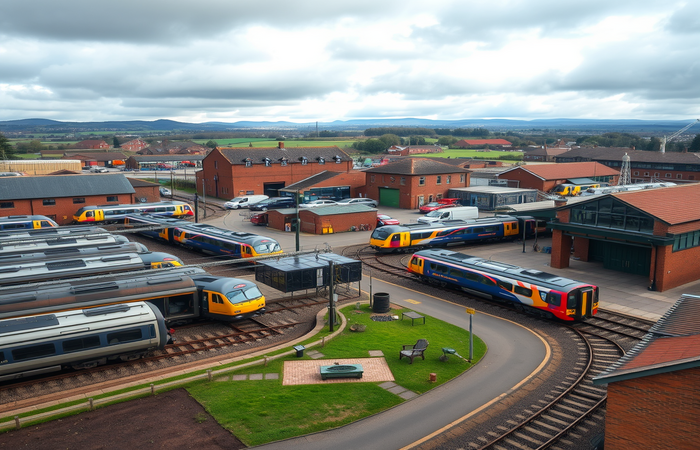
Innovation centers play a crucial role in fostering advancements in LRT technology and infrastructure. These centers serve as hubs for research, development, and testing, bringing together experts from academia, industry, and government. The very-light rail innovation centre, for example, provides a platform for collaboration and knowledge sharing, accelerating the development and implementation of new technologies and best practices. Future directions for LRT include the exploration of autonomous train operation, the integration of renewable energy sources, and the development of more sustainable materials for rolling stock and infrastructure. The focus will continue to be on optimizing energy efficiency, improving capacity, enhancing safety, and creating a positive passenger experience. Strategic partnerships between industry stakeholders and government agencies are essential to ensure the continued evolution and success of light rail transit as a sustainable and efficient mode of urban transportation. The successful implementation of these innovations will rely heavily on effective collaboration and a forward-thinking approach to addressing the challenges of urban mobility.
You might be interested in:
Last May 2019, we had a great article about the Doha Metro Red Line project. Click here to read – Doha Metro Red Line: A Year Ahead, On Track
Conclusion
In conclusion, the future of light rail transit hinges on a multifaceted approach that encompasses technological innovation, strategic infrastructure development, and a commitment to enhancing the passenger experience. The advancements discussed—from CBTC signaling and ITS integration to the use of lightweight materials and sustainable design principles—are critical for creating more efficient, reliable, and environmentally friendly LRT systems. Addressing challenges like increasing ridership and improving passenger satisfaction requires a holistic approach that considers all aspects of the passenger journey, from ticketing and information dissemination to security and accessibility. The role of innovation centers, such as the very-light rail innovation centre, cannot be overstated. These centers provide a crucial platform for collaboration, research, and development, accelerating the translation of innovative ideas into practical solutions. Looking ahead, the continued exploration of autonomous train operation, renewable energy integration, and sustainable materials will further shape the trajectory of LRT, ensuring its position as a cornerstone of sustainable urban transportation. The success of future LRT systems depends on a collaborative effort between engineers, urban planners, policymakers, and the communities they serve, working together to create integrated and effective transportation networks that meet the needs of a growing and evolving urban landscape.
RELATED POSTS
June 10, 2025 1:47 pm
TfW revitalizes Barry depot, boosting Welsh rail and local economy....

August 10, 2012 1:25 pm
Korea Rail Network Authority (KRNA) has awarded a contract to...
November 13, 2018 8:18 am
Boost rail electrification efficiency and slash costs with eviFile's data-driven...

December 10, 2017 9:32 pm
The ACTN Consortium was selected to complete the civil works...
February 7, 2018 1:16 pm
Railway professionals, boost safety and efficiency with advanced technology like...
February 7, 2019 5:19 am
Upgrade your railway's communication system like Porto Alegre Metro did...