
Bratislava Tram Line: Modernizing Transit for Sustainable Future
Bratislava’s tram system undergoes modernization, expanding routes, and renewing rolling stock for improved public transit.
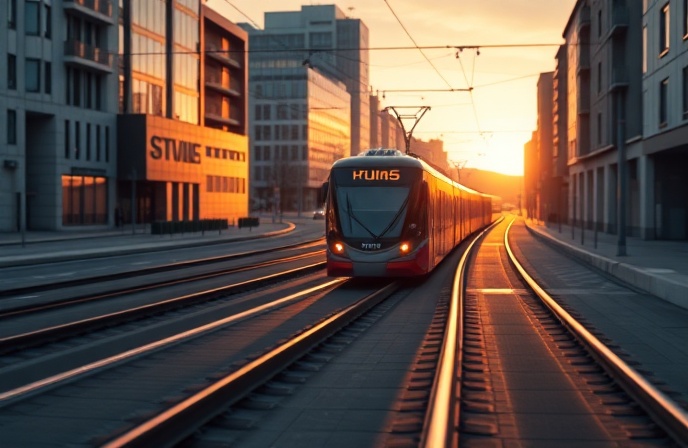
Bratislava’s Tram Revolution: A Modern Boost for Public Transit
The city of Bratislava is undergoing a significant transformation in its public transportation network, with a revitalized focus on its tram system. What’s happening? The Bratislava tram line is experiencing a period of intense modernization, including infrastructure upgrades, fleet renewal, and route extensions. This is taking place now, aiming to provide better, more efficient, and more sustainable transportation for the capital’s residents and visitors. Why is this happening? To alleviate traffic congestion, reduce carbon emissions, and enhance the overall quality of life in Bratislava. How is it being achieved? Through strategic investments in critical infrastructure and the adoption of cutting-edge technologies. This article will delve into the multifaceted advancements occurring within Bratislava’s tram system, exploring the key projects and their impact on the city’s transportation landscape. The initiatives show a commitment to public transport and will likely improve the city’s infrastructure for years to come.
Revamping Infrastructure: Modernizing the Bratislava Tram Network
A cornerstone of the Bratislava tram line upgrades is the overhaul of existing infrastructure. This encompasses track replacement, the modernization of power supply systems, and the implementation of advanced signaling technology. Many sections of the track were aging and in need of replacement to improve the operational efficiency and safety of the trams. This includes the use of continuously welded rails (CWR), which reduces noise pollution and provides a smoother ride for passengers. The power supply systems are also undergoing upgrades to enhance reliability and accommodate the increased power demands of the new, more energy-efficient tram fleet. In addition, the installation of modern signaling systems, such as Automatic Train Protection (ATP), is improving safety and allowing for more frequent tram services. These crucial infrastructure upgrades will extend the lifecycle of the system and ensure its reliability.
Rolling Stock Renewal: Introducing Modern Tram Cars
A crucial element of the modernization is the introduction of a new fleet of trams. The previous rolling stock required replacement to improve passenger comfort and the efficiency of operations. The new trams incorporate state-of-the-art technologies, including advanced driver assistance systems (ADAS) for enhanced safety. These new trams also feature a lower floor design, which significantly improves accessibility for passengers with disabilities. The new trams offer improved passenger capacity, greater passenger comfort with features such as air conditioning and digital information displays, and reduced energy consumption. This investment in modern tram cars is a clear statement of the city’s intent to have a sustainable transportation system.
Expansion Plans: Extending the Reach of the Bratislava Tram Line
The ongoing modernization extends beyond just infrastructure upgrades and fleet replacement, incorporating the expansion of the Bratislava tram line network. Several route extensions are planned or underway, linking previously underserved areas of the city to the existing network. One key extension involves the construction of new tracks to connect key residential areas with the city center. These new routes are designed to optimize accessibility and reduce travel times for commuters. Furthermore, these extensions are often integrated with bus and other public transport connections to create a unified, convenient public transit network for the city. Strategic route planning and implementation are key to improving the accessibility for Bratislava citizens.
Integration and Sustainability: A Greener Future for Bratislava’s Transport
A key focus of the Bratislava tram project is its integration with the city’s broader public transportation system, aiming to provide a seamless journey for users. This includes the integration of ticketing systems, which will simplify travel for passengers using multiple forms of transport. Additionally, the project prioritizes sustainability, with initiatives to reduce the environmental impact of the tram system. The new tram fleet is designed to be energy-efficient, and the project incorporates the use of renewable energy sources to power the trams. This holistic approach contributes to a more environmentally friendly and sustainable urban transport solution and reduces the city’s carbon footprint. The improvements provide tangible benefits to the environment.
Conclusion
The ongoing transformation of the Bratislava tram line signifies a pivotal moment for public transport in the city. The comprehensive infrastructure upgrades, the introduction of a new fleet of trams, and the expansion of the network will create a more efficient, accessible, and sustainable transportation system for Bratislava. The industry will likely see additional investment and modernization as other European cities seek to upgrade their own public transport infrastructure. The long-term implications of these upgrades include improved air quality, reduced traffic congestion, and a higher quality of life for residents. The commitment by Bratislava to invest in public transport will likely make the city a model for other municipalities seeking to enhance their own public transport infrastructure. Further developments in railway technology and sustainability will likely have a significant impact on the Bratislava tram system.
RELATED POSTS
December 9, 2025 7:01 pm
TTX Co. promotes Marty Thomas to President, expanding leadership. Also,...
July 18, 2025 5:33 pm
Amtrak vet Ray Lang joins Quandel Consultants. Alstom completes...

November 28, 2016 4:40 pm
Here's a voiceover-friendly excerpt:"Siemens Mobility delivered the first **Vectron Dual...
April 7, 2018 12:07 pm
Queensland's Port of Brisbane needs better rail connections. A...
August 8, 2018 2:31 pm
Indian Railways' track maintenance is going high-tech! New dynamic...
November 21, 2025 1:54 pm
MetroLink Dublin: Major railway project sees consortia, including Hitachi Rail,...