
Austria’s Linz: €540M EIB Backing for Tram-Train Overhaul
Linz’s Regional-Stadtbahn project eyes €540M EIB backing to overhaul its network, integrating tram and rail for a modern, efficient public transit system.
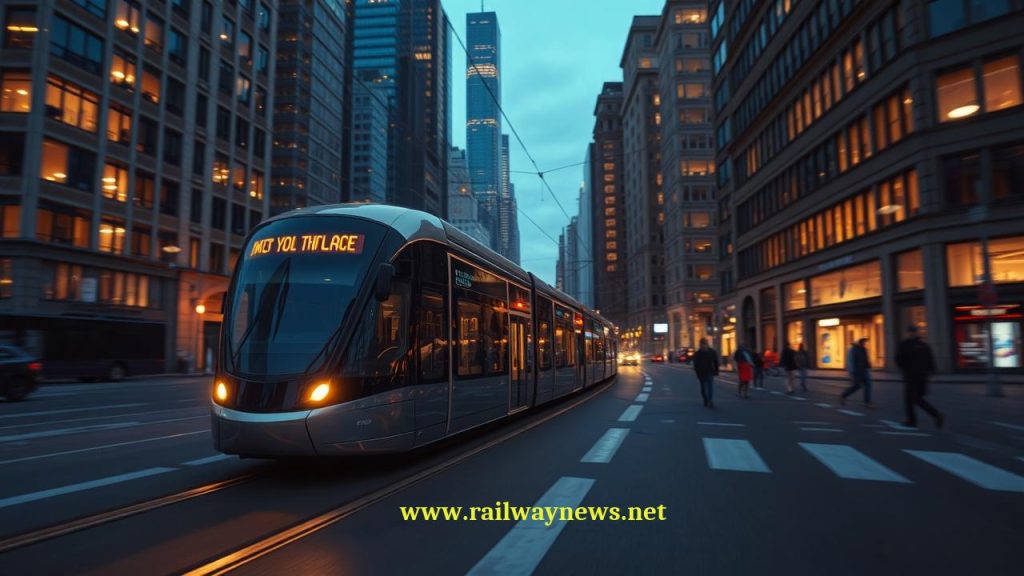
Linz Tram-Train Project Eyes €540M EIB Backing for Major Network Overhaul
The European Investment Bank (EIB) is evaluating a substantial €540 million financing package for the ambitious Regional-Stadtbahn Linz tram-train project, a transformative €1.2 billion initiative set to redefine public transport in the Austrian city and its metropolitan area. This project will integrate the city’s urban tram network with regional rail lines, introducing a new fleet of high-capacity tram-trains to create a seamless, efficient, and modern transit system.
| Category | Details |
|---|---|
| Project Name | Regional-Stadtbahn Linz |
| Total Eligible Cost | EUR 1.2 billion |
| Proposed EIB Financing | EUR 540 million (Currently under review) |
| Implementing Body | Schiene OÖ GmbH & Co KG |
| New Rolling Stock | 34 state-of-the-art tram-trains |
| Vehicle Top Speed | 100 km/h |
The EIB’s proposed financing is a critical step for the Regional-Stadtbahn Linz, a project designed to merge suburban and urban transport by allowing specialized vehicles to operate on both heavy rail and light rail infrastructure. The funding will support the modernization and adaptation of 8 km of railway line through the city center and the purchase of 34 new tram-train vehicles. Twenty of these new units are designated to replace an aging fleet currently operating on the S5 S-Bahn line, which connects Linz with surrounding towns in the Upper Austria region.
The new rolling stock represents a significant technological leap for the region’s transport network. The state-of-the-art tram-trains are designed to travel at speeds up to 100 km/h, offering a blend of speed for regional routes and agility for urban streets. Each vehicle will have a total capacity of 228 passengers, including 94 seats, 134 standing spaces, and two dedicated wheelchair areas, ensuring full accessibility. Equipped with modern safety and signaling systems compatible with both ÖBB national rail and local lines, the vehicles also feature LED lighting, comprehensive video surveillance, and a unique emergency battery-powered mode for workshop movements and minor malfunctions.
The project’s strategic vision, first presented in 2016, is now gaining significant momentum. In 2024, a crucial agreement was reached between the Austrian federal government and the Province of Upper Austria, securing approximately €939 million for planning and construction costs. This was followed by a key milestone in July when Schiene OÖ GmbH & Co KG, the project’s implementing body, was awarded the concession to build and operate the core urban tram line from Linz Central Station to Linz-Urfahr Station. “The Regional-Stadtbahn Linz will also be an important additional alternative to stimulate the transfer of individual motorized traffic to public rail transport,” stated Günther Steinkellner, Regional Councilor for Mobility and Infrastructure, highlighting the project’s role in promoting sustainable mobility.
Key Takeaways
- Major Financial Backing: The project is backed by a potential €540 million EIB loan and a €939 million federal and provincial funding agreement, signaling strong institutional support.
- Integrated Transport Model: By connecting the Mühlkreisbahn suburban line with the city’s tram system and building a new S7 line, the project will eliminate the need for transfers and create seamless journeys across the region.
- Fleet Modernization: The purchase of 34 advanced tram-trains will enhance passenger capacity, comfort, accessibility, and operational efficiency, replacing vehicles that are past their useful life.
Editor’s Analysis
The Regional-Stadtbahn Linz project is a textbook example of the tram-train model’s increasing prominence as a solution for mid-sized European cities struggling with fragmented transport networks. By blurring the lines between urban trams and regional trains, cities like Linz can vastly improve connectivity, reduce congestion, and offer a compelling alternative to private car use. This model directly addresses the “first-and-last-mile” challenge, extending the reach of the high-capacity rail network deep into urban centers. For the global rail market, the success of projects like this in Austria, Germany (Karlsruhe model), and France reinforces the business case for investing in versatile rolling stock and integrated infrastructure to meet modern mobility and climate goals.
Frequently Asked Questions
What is the Regional-Stadtbahn Linz project?
It is a major public transport initiative in Linz, Austria, aimed at creating an integrated tram-train system. The project involves modernizing existing railway lines, building new sections, and purchasing new vehicles that can operate on both city tram tracks and regional rail lines to provide seamless connections.
How is the project being financed?
The project has an eligible cost of €1.2 billion. It is supported by a €939 million funding agreement between the Austrian federal government and the Province of Upper Austria for planning and construction. The European Investment Bank (EIB) is currently reviewing a proposal to provide an additional €540 million in financing.
What are the key features of the new tram-trains?
The 34 new tram-trains will be able to travel at speeds up to 100 km/h. They will have a capacity for 228 passengers (94 seated), be fully accessible for people with reduced mobility, and feature modern safety systems, LED lighting, and an emergency battery mode.
RELATED POSTS

December 14, 2019 10:54 am
This article delves into the intricacies of the Orange Line...
May 5, 2019 6:23 pm
The MBTA's $78.3 million F40PH-2 locomotive overhaul boosts reliability and...

February 18, 2025 11:04 am
Introduction This article explores the significant modernization of Türkiye’s high-speed...

August 5, 2025 8:33 pm
STB reorganizes legal department, aiming for faster rail sector decisions....
September 5, 2023 9:36 am
This article explores the significant advancements in rail safety within...
August 14, 2025 2:33 am
Mississippi train derailment investigated; cause undetermined. Railway safety...