
GWR Exeter Depot: Sustainable Rail Design Guide
Revolutionize your railway depot! Optimize track layouts, embrace sustainable design, and leverage advanced technologies for peak efficiency.

The following article delves into the critical aspects of modern railway depot design and operation, focusing on the evolving needs of high-speed rail networks and the integration of sustainable practices. We will explore the key considerations in planning and constructing efficient and effective railway depots, examining factors ranging from track layout and maintenance facilities to energy consumption and environmental impact. The article will highlight the complexities involved in balancing operational efficiency with the demands of sustainability and the integration of advanced technologies. A case study focusing on a significant depot, such as the GWR Exeter rail depot, will provide a concrete example of these design principles in action. We will also discuss the future trends shaping railway depot design and the role they play in the overall performance and sustainability of rail systems worldwide. The impact of increasing passenger numbers, freight demands, and the need for reduced environmental impact will all be considered. This analysis will provide valuable insights for railway operators, engineers, and policymakers involved in the planning, construction, and management of modern railway infrastructure.
Optimizing Track Layout and Maintenance Facilities
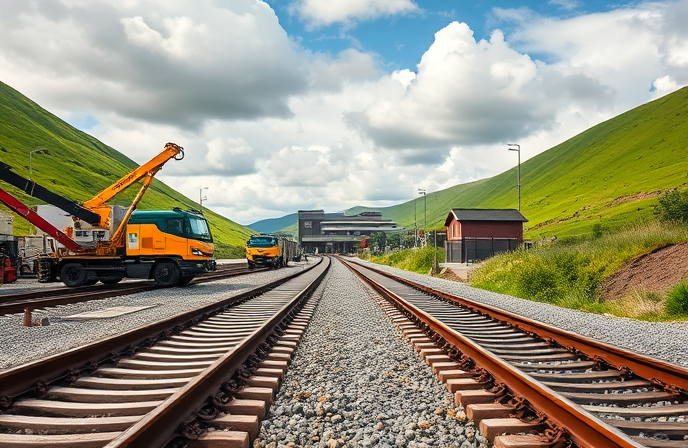
Efficient track layouts within a rail depot are crucial for minimizing dwell times and maximizing throughput. Careful consideration must be given to the number and arrangement of tracks, allowing for simultaneous maintenance activities on multiple trains. The design should accommodate different train lengths and types, including high-speed trains with unique maintenance requirements. Integration of advanced track inspection systems is also essential for proactive maintenance and early detection of potential problems. This includes automated systems for identifying track defects and providing real-time data for maintenance planning. The depot should also incorporate dedicated areas for cleaning, refueling, and the storage of spare parts, ensuring the smooth and efficient execution of routine and unscheduled maintenance.
Sustainable Design and Energy Efficiency
Modern railway depots are increasingly incorporating sustainable design principles to minimize their environmental footprint. This involves strategies for reducing energy consumption, such as the implementation of energy-efficient lighting and heating systems, the use of renewable energy sources (e.g., solar panels), and the optimization of energy management systems. Water conservation measures, such as rainwater harvesting and the use of low-flow fixtures, are also becoming increasingly common. Furthermore, the design should incorporate provisions for managing waste and minimizing pollution, including the safe disposal of hazardous materials commonly used in railway operations. The construction materials themselves should be chosen to minimize environmental impact, with a focus on using recycled or sustainably sourced materials where possible. The GWR Exeter rail depot, for example, could serve as a benchmark for sustainable practices in depot design.
Integration of Advanced Technologies and Automation
The incorporation of advanced technologies is transforming railway depot operations. Automated systems for train scheduling, maintenance planning, and parts management can significantly improve efficiency and reduce operational costs. Real-time monitoring of train conditions and track infrastructure allows for proactive maintenance and the prevention of delays. The use of data analytics can help identify bottlenecks and optimize depot workflows, contributing to overall productivity and performance. Furthermore, advancements in diagnostic technologies can enhance the accuracy and speed of maintenance tasks, minimizing downtime and reducing repair costs. The integration of these systems within a comprehensive digital platform ensures seamless information flow and effective decision-making across all aspects of depot operations.
The GWR Exeter Rail Depot: A Case Study
The Great Western Railway (GWR) Exeter St Davids rail depot provides a practical example of modern depot design principles in action. While specific details of its design and operational procedures may not be publicly available due to operational security and commercial sensitivity, it demonstrates the strategic importance of well-designed depots for maintaining a reliable and efficient railway network. The depot’s size and capabilities reflect the needs of a significant regional rail hub, highlighting the importance of scaling depot design to meet the specific demands of the served routes and passenger volumes. The GWR Exeter rail depot likely incorporates many of the sustainable and technologically advanced features described previously, serving as a benchmark for other depots to strive for in terms of efficiency and sustainability.
In conclusion, the design and operation of modern railway depots are critical to the overall efficiency and sustainability of rail systems. Optimizing track layouts and maintenance facilities is essential for minimizing dwell times and maximizing throughput. The integration of sustainable design principles, including energy efficiency and waste management strategies, is crucial for reducing environmental impact. Moreover, the adoption of advanced technologies, such as automation and data analytics, can significantly enhance operational efficiency and reduce costs. The GWR Exeter rail depot serves as a practical example of how these principles can be applied in a real-world setting. Looking ahead, future developments in railway depot design will likely focus on further enhancing sustainability, improving operational efficiency through the increased use of artificial intelligence (AI) and machine learning (ML), and enabling seamless integration with wider rail network control systems. The ongoing need to address the growing demands of passenger and freight traffic, while simultaneously striving for a reduction in carbon emissions and a positive environmental impact, will continue to drive innovation in railway depot design and operation.
You might be interested in:
Last May 2019, we looked at how IDOM is designing Estonia’s high-speed rail link for Rail Baltica. Click here to read – Rail Baltica: IDOM Designs Estonia’s High-Speed Rail Link
RELATED POSTS

March 25, 2015 7:23 am
Hitachi Rail Europe Ltd. has been named the preferred supplier...
May 29, 2017 12:32 pm
After four years and a £25 million investment, Network Rail...
July 5, 2025 8:33 am
New retraining program boosts UK rail sector. Former steelworkers...
November 25, 2016 8:37 am
**Voiceover Excerpt:**Alstom will deliver 106 new **High-Capacity Metro Trains** to...

July 8, 2025 11:33 am
Moment, a French tech firm, revolutionizes European rail travel with...
July 3, 2025 11:33 am
Oregon secures $100M for intermodal port, boosting West Coast shipping...