
Rail Baltica: IDOM Designs Estonia’s High-Speed Rail Link
IDOM’s expertise ensures Rail Baltica’s Tallinn-Rapla section, a crucial high-speed rail link, is designed for safety and efficiency. Discover how this €11.36 million project shapes the future of Baltic rail!
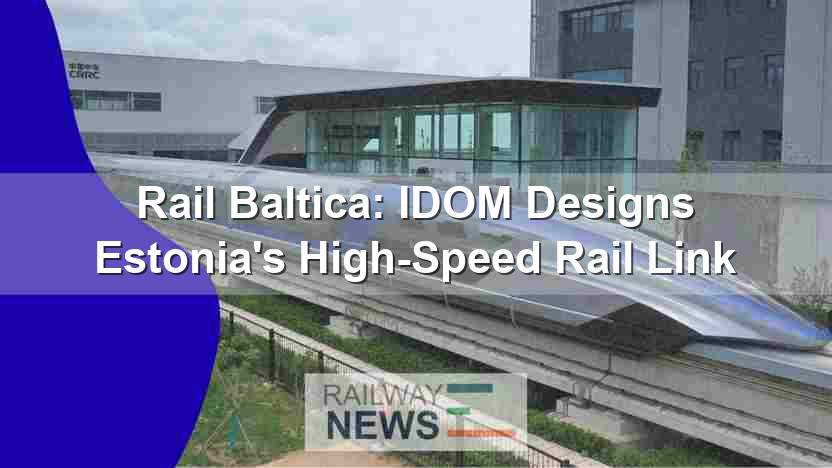
This article explores the significant selection of IDOM Consulting, Engineering, Architecture as the design partner for a crucial section of the Rail Baltica high-speed rail project. The €11.36 million contract encompasses the design and supervision of the Tallinn-Rapla section in Estonia, a key component of the broader Rail Baltica initiative aimed at connecting the Baltic states to the European high-speed rail network. The decision highlights the complexities and strategic importance of designing and constructing modern, high-speed rail infrastructure, demanding specialized expertise in geotechnical investigations, structural engineering, and environmental considerations. The project’s scale, encompassing numerous viaducts, pedestrian crossings, and eco-ducts, further underscores the need for a partner with extensive experience in managing such large-scale, technically challenging undertakings. This analysis will delve into the scope of the contract, the selection process, IDOM’s qualifications, and the broader implications of this partnership for the Rail Baltica project’s overall success.
IDOM’s Selection and the Contract Scope
RB Rail, the joint venture overseeing the Rail Baltica project, selected IDOM based on its economically advantageous offer. The contract, valued at €11.36 million, signifies a substantial investment in the project’s early phases. The scope of work extends beyond simply creating blueprints. It includes detailed site investigations to thoroughly understand the ground conditions for optimal foundation design. This is crucial for the stability and longevity of the 48km railway line, especially given the planned construction of 32 viaducts. The design process encompasses the preparation of master designs for the railway track substructure, detailing the intricate layers beneath the tracks that ensure stability, drainage, and proper ballast support. Additionally, IDOM will develop detailed technical designs for all civil structures, including the Tallinn-Rapla highway viaduct and four animal passages (eco-ducts), designed to minimize the railway’s impact on the local environment. Value engineering studies, a key aspect of cost-effective design, are also incorporated into the contract to ensure optimal resource allocation and prevent unnecessary expenses.
The Importance of Detailed Design in High-Speed Rail
The meticulous nature of the detailed design phase is paramount in high-speed rail projects. High speeds demand precise engineering to guarantee safety, reliability, and efficiency. Minor design flaws can have significant repercussions, leading to costly delays, safety hazards, and operational inefficiencies. IDOM’s 24-month timeframe for completing the design reflects the complexity involved and the need for thoroughness. The work includes creating precise specifications for materials, construction methods, and quality control measures. The inclusion of author supervision during construction further ensures that the completed structures adhere strictly to the initial design specifications, contributing to the project’s long-term sustainability.
IDOM’s Expertise and Rail Baltica’s Strategic Significance
IDOM’s selection wasn’t arbitrary. The company boasts over 20 years of experience in designing conventional and high-speed rail lines across Europe, the Americas, the Middle East, and Africa. Their proven track record in projects within Spain, Poland, and Sweden underscores their capability to handle projects of this scale and complexity. Their involvement strengthens the Rail Baltica project, which is strategically significant for connecting the Baltic States to the broader European Union transportation network. The project aims to improve regional connectivity, boost economic growth, and enhance regional integration within the EU. The selection of a reputable firm like IDOM is crucial for ensuring the successful implementation of this strategic initiative.
Conclusion
The selection of IDOM as the design partner for the Tallinn-Rapla section of Rail Baltica is a crucial milestone in the project’s development. The €11.36 million contract encompasses a broad scope of work, from detailed site investigations and master design preparation to the detailed design of numerous viaducts, the Tallinn-Rapla highway viaduct, and eco-ducts. The 24-month timeframe highlights the complex nature of high-speed rail design, demanding precision to ensure safety, efficiency, and long-term sustainability. IDOM’s extensive experience in designing high-speed rail projects worldwide, coupled with their demonstrated ability to handle large-scale infrastructure undertakings, assures confidence in their ability to deliver high-quality designs. This contract forms part of a larger procurement process involving seven design contracts covering over 57% of the Rail Baltica main line. The successful completion of this section will not only contribute significantly to the overall Rail Baltica project but will also serve as a model for future high-speed rail development in the region, potentially inspiring similar projects and establishing best practices for the industry. The strategic importance of Rail Baltica, its potential to foster economic growth and regional integration, and the significant contribution of a highly experienced design partner like IDOM all point towards a positive outlook for the future of rail transportation in the Baltic region and beyond. The project’s success will depend on continued collaboration between stakeholders, meticulous planning, and the effective execution of detailed design, ultimately shaping the future landscape of regional transportation infrastructure and its positive impact on the surrounding economies.

Railway infrastructure, rolling stock and transport technologies specialist focused on global rail industry developments, high-speed rail systems, signaling technologies and freight transportation. Covering railway investments, public transport modernization, rail operations and international mobility projects across Europe, Asia and North America.
RELATED POSTS

October 8, 2026 1:15 pm
Alstom secured a €1bn contract to build 13 automated trains,...

October 1, 2026 7:09 am
United States regulators confirmed a September 30 deadline for the...

October 4, 2026 5:14 pm
Alstom secured a CA$4.7 billion order from VIA Rail Canada...

October 1, 2026 12:13 am
Illinois approved $1.5 billion annually for the Northern Illinois Transit...

October 5, 2026 1:13 pm
New York MTA confirmed a late 2026 DEIS release for...
October 6, 2026 9:17 am
Illinois approved $1.1M in state funds to upgrade two McHenry...