
Global Rail Innovations: Sustainable Transport Trends
Modern rail demands innovation. Master technological advancements, smart financing, and sustainable practices to build the future of rail. Discover how!

The Challenges and Opportunities of Modern Rail System Development
The development and maintenance of efficient and sustainable rail systems present a complex array of challenges and opportunities in the 21st century. This article explores the multifaceted nature of modern railway infrastructure projects, encompassing technological advancements, financial considerations, and the critical role of effective governance and planning. We will delve into the intricacies of financing large-scale rail projects, examining the benefits and drawbacks of different funding models, including the increasingly prevalent use of public-private partnerships (PPPs). Furthermore, we will discuss the importance of integrating rail systems into broader urban and regional transportation strategies, emphasizing the need for sustainable practices and the crucial role of technological innovation in enhancing efficiency, safety, and passenger experience. Finally, the article will assess the critical factors that contribute to successful project delivery, including robust risk management strategies and the importance of stakeholder engagement throughout the project lifecycle.
Technological Advancements and Infrastructure Modernization
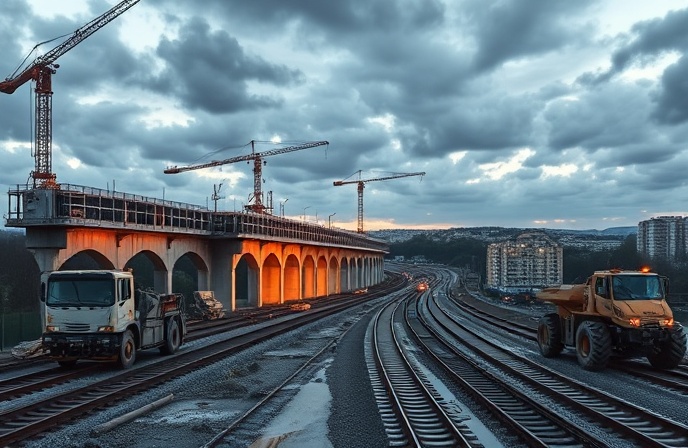
Modern rail systems demand significant technological advancements to meet increasing passenger demand and enhance operational efficiency. This includes the implementation of advanced signaling systems, such as Computer-Based Train Control (CBTC) systems, which enable increased train frequency and capacity while improving safety. Furthermore, the integration of intelligent transportation systems (ITS) allows for real-time monitoring of train operations, optimizing schedules and responding effectively to delays. The adoption of Positive Train Control (PTC) systems is crucial for enhancing safety by preventing train collisions and derailments. Investing in robust infrastructure, including track maintenance and upgrades, is equally essential to ensure the long-term reliability and sustainability of the rail network. The adoption of sustainable materials and construction techniques is also becoming increasingly important, minimizing the environmental impact of rail infrastructure development.
Financing Rail Projects: Public, Private, and Hybrid Models
Securing adequate funding is a major hurdle for large-scale rail projects. Traditional public funding models, while providing financial stability, can often be slow and subject to budgetary constraints. Private sector investment, through various public-private partnerships (PPPs), offers a potential solution by bringing in private capital and expertise. PPPs can accelerate project delivery and share risk between the public and private sectors. However, PPPs require careful structuring to ensure transparency, accountability, and equitable risk allocation. Hybrid models, combining public and private funding, often provide the most effective approach, leveraging the strengths of both sectors while mitigating their individual weaknesses. A thorough cost-benefit analysis is crucial in evaluating the feasibility of each funding model, ensuring the project’s long-term financial sustainability and value for money.
Sustainable Practices and Environmental Considerations
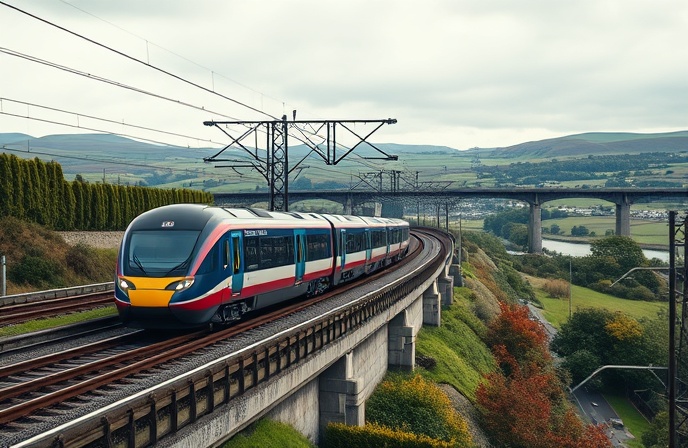
The environmental impact of rail infrastructure projects needs careful consideration. Sustainable practices are vital throughout the project lifecycle, from material selection and construction methods to ongoing operations and maintenance. Minimizing the use of energy-intensive materials, incorporating green building technologies, and optimizing energy consumption during operations are key considerations. Furthermore, the integration of rail systems into broader urban development plans should consider the environmental impact on surrounding communities. This includes minimizing noise pollution, reducing greenhouse gas emissions, and promoting sustainable land use planning. Investing in green technologies, such as electric trains and regenerative braking systems, can significantly contribute to reducing the environmental footprint of rail operations.
Effective Governance, Risk Management, and Stakeholder Engagement
Successful rail infrastructure projects require effective governance structures, robust risk management plans, and comprehensive stakeholder engagement. Clear lines of responsibility, transparent decision-making processes, and effective communication are crucial for managing project risks and ensuring smooth project delivery. Risk management should address potential delays, cost overruns, and technical challenges, proactively identifying and mitigating potential problems. Engaging with stakeholders, including local communities, businesses, and other transportation agencies, throughout the project lifecycle is vital for building consensus, managing expectations, and ensuring the project aligns with the broader transportation strategy. The integration of technology and data-driven decision-making can further enhance the effectiveness of project governance and risk management.
You might be interested in:
Last June 2019, we had a great article about Bangkok’s MRT expansion and that massive $311 million ADB investment. Click here to read – Bangkok’s MRT Expansion: ADB’s $311M Investment
Conclusions
The development of modern rail systems requires a holistic approach that considers technological advancements, financial strategies, environmental sustainability, and effective governance. Technological innovation plays a crucial role in enhancing efficiency, safety, and the overall passenger experience. This includes the implementation of advanced signaling systems, intelligent transportation systems, and Positive Train Control (PTC) technologies. Securing adequate funding is a major challenge, and various funding models, including public funding, private investment, and public-private partnerships (PPPs), need to be carefully evaluated based on their respective strengths and weaknesses. A comprehensive cost-benefit analysis is vital to ensuring the long-term financial sustainability of rail projects. Environmental considerations are paramount, demanding the adoption of sustainable practices throughout the project lifecycle, from material selection to operations and maintenance. Minimizing environmental impact and integrating rail systems into broader urban development plans are crucial aspects of responsible rail development. Finally, effective governance, robust risk management strategies, and comprehensive stakeholder engagement are essential for successful project delivery. Transparent decision-making processes, proactive risk mitigation, and effective communication with all stakeholders contribute to the efficient and timely completion of rail projects. By addressing these multifaceted challenges and leveraging the significant opportunities presented, we can build modern rail systems that meet the transportation needs of the 21st century while promoting sustainable development and enhancing the quality of life for communities worldwide.
RELATED POSTS

September 6, 2025 12:13 am
MDOT seeks development partner for transit-oriented development at MARC Bowie...

September 7, 2025 5:00 pm
SJ boosts pet-friendly seating on X40 trains, increasing reserved spots...
November 10, 2018 6:18 am
The Elizabeth Line's £350 million lifeline: Learn how crucial...
November 28, 2025 8:42 am
Île-de-France Mobilités invests nearly EUR 3.8 billion in 2026 for...
November 11, 2025 7:54 am
ScotRail seeks suppliers for a new suburban **train fleet**, set...
December 13, 2016 8:12 pm
Here's a voiceover-friendly excerpt:"Passenger rail service is back! The Société...