
Metro Train Recycling: Revolutionizing Urban Rail’s Sustainability
Metro train recycling is revolutionizing the railway sector, prioritizing resource efficiency and waste reduction. Sustainable practices transform end-of-life rolling stock into valuable resources.
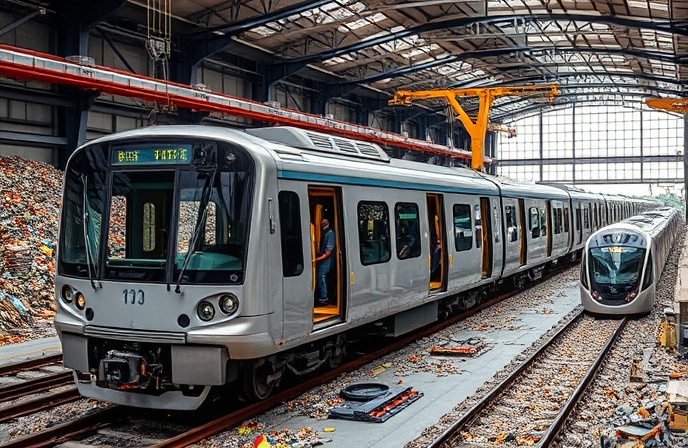
The Circular Economy on Rails: Revolutionizing with Metro Train Recycling
In an era defined by sustainability, the railway industry is stepping onto the circular economy platform. This involves a significant shift away from linear “take-make-dispose” models towards systems that prioritize resource efficiency, waste reduction, and material reuse. But how is this practically manifesting in the world of railways? This article will delve into the emerging practices of metro train recycling, examining the drivers, technologies, and challenges of a more sustainable future for urban mass transit. We’ll explore how rolling stock is transformed from an operational asset at the end of its lifespan into valuable resources, supporting a more circular and environmentally responsible approach to urban transport infrastructure.
Deconstructing the Lifecycle: The Imperative for Sustainable Rolling Stock
The lifespan of a metro train can range from 25 to 40 years, depending on operational intensity and maintenance schedules. At the end of this period, these complex machines represent a significant waste stream if not managed responsibly. Historically, disposal often involved landfilling or, in some cases, the sale of components for salvage. However, the growing awareness of environmental concerns, coupled with stricter regulations regarding waste management and the rising cost of raw materials, has created a compelling case for metro train recycling. The core drivers include reducing carbon emissions, conserving precious resources, minimizing landfill waste, and potentially generating revenue from the sale of reclaimed materials. Moreover, adopting a circular economy approach strengthens public perception and supports sustainability goals, critical aspects for maintaining public trust and securing future funding.
Advanced Technologies and Processes in Metro Train Recycling
Modern metro train recycling involves a highly sophisticated process. This starts with meticulous dismantling, where each component is categorized and assessed for its potential for reuse, refurbishment, or recycling. Metals such as steel, aluminum, and copper are the most readily recyclable materials. Advanced separation technologies, including eddy current separators and shredding systems, are employed to recover these valuable resources efficiently. Plastics, rubber, and composite materials, often found in significant quantities within train interiors, require specialized treatment. Techniques like mechanical and chemical recycling are used to break these materials down into their base components, which can be used in new products. Furthermore, electronic components and wiring are carefully managed to extract valuable materials like gold, silver, and palladium, while adhering to strict environmental regulations to prevent contamination.
Challenges and Opportunities in the Recycling Landscape
Despite the clear benefits, metro train recycling presents its own set of challenges. Dismantling and recycling processes are labor-intensive, requiring specialized skills and equipment. The presence of hazardous materials, such as asbestos (in older trains), pose health and safety risks. Moreover, the economic viability of recycling can be affected by fluctuating commodity prices and the cost of transportation. However, these challenges are being addressed through innovation. Automated dismantling systems, advanced material sorting technologies, and improved processing techniques are enhancing efficiency and reducing costs. The development of standardized recycling protocols and collaborative partnerships within the industry can also improve economies of scale and foster a more circular value chain, paving the way for a future of sustainable urban mobility.
Collaboration and Best Practices in Metro Train Recycling
Successful metro train recycling efforts rely on collaboration across the entire value chain. Transit authorities, train manufacturers, recycling companies, and material suppliers must work together to ensure the efficient recovery and reuse of materials. This includes early-stage design for disassembly, where train components are designed with recycling in mind, and the establishment of robust end-of-life management plans. Best practices involve clear labeling of materials, streamlined dismantling processes, and the implementation of rigorous quality control procedures to ensure that recycled materials meet industry standards. Furthermore, data tracking and transparency are essential to monitor the environmental performance of recycling programs and demonstrate their impact on sustainability goals. Strong regulatory support and incentives play a vital role in promoting circular economy practices within the railway sector.
Conclusion
The journey towards a circular railway economy, underpinned by practices like metro train recycling, is gaining momentum. By adopting innovative recycling technologies, fostering collaboration, and addressing existing challenges, the industry can significantly reduce its environmental footprint and support a more sustainable future. The potential impacts are far-reaching, from reducing landfill waste and conserving resources to creating new economic opportunities. As the demand for urban transport increases and environmental regulations become more stringent, the adoption of circular economy principles will become even more crucial for the long-term viability and sustainability of the railway sector. Looking ahead, we can expect further advancements in materials science, recycling processes, and collaborative partnerships, solidifying the role of metro train recycling as a cornerstone of sustainable urban transit.
RELATED POSTS

Vinci's €400 million Line 14 South extension in Paris showcases...

December 2, 2016 4:56 am
Alstom has received recognition from the Eisenbahn-Bundesamt (EBA), the German...

SNCF, the state-owned railway company in France, has placed a...

September 13, 2025 4:55 pm
Stockholm's public transit upgrades digital ticketing, boosting fare collection and...

November 12, 2017 8:22 pm
All parties involved in the contract signing in Wolfsburg on...
June 12, 2018 3:22 am
CAF Group's €100 million tram contracts showcase innovative supercapacitor technology,...