
Szczecin Tram Network: Poland’s Modern Rail Transit Upgrade
Szczecin’s tram network modernization boosts efficiency, expands lines, and introduces eco-friendly rolling stock.
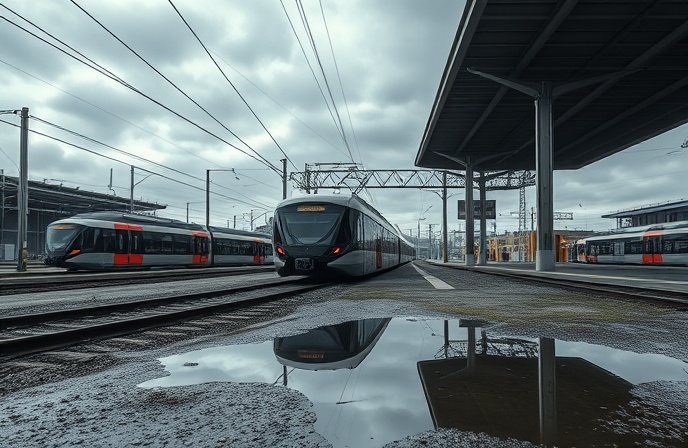
Szczecin Tram Network: A Modernization Journey for Poland’s Public Transit
The Szczecin tram network, a vital artery of public transportation in Poland’s vibrant city, is undergoing a significant transformation. This ongoing project aims to modernize the existing infrastructure, expand the tram line network, and introduce new, eco-friendly rolling stock. This comprehensive upgrade, spearheaded by the city’s municipal authorities, aims to improve the efficiency, reliability, and passenger experience of the Szczecin tram network, ensuring it remains a central component of the city’s sustainable transport strategy. The upgrades are expected to benefit the city and its residents for decades to come.
The primary goal of this article is to provide an in-depth overview of the various facets of this crucial infrastructure project, exploring the technological advancements, operational enhancements, and the wider economic and environmental implications it holds for both the city and the broader Polish railway landscape.
Rolling Stock Renewal: Embracing Modern Tram Technology
One of the most visible aspects of the Szczecin tram network modernization is the acquisition of new tram cars. The city has invested heavily in new rolling stock, frequently sourced from leading European manufacturers, to replace aging trams and expand the fleet. These new trams, such as the Pesa Twist trams, are equipped with state-of-the-art features, including low floors for enhanced accessibility, air conditioning for improved passenger comfort, and advanced safety systems. The new rolling stock contributes significantly to a reduction in energy consumption and emissions, aligning with the city’s commitment to sustainable urban development. This investment shows the serious intent behind the Szczecin tram network‘s development.
Infrastructure Upgrades: Enhancing Track and Signal Systems
Beyond rolling stock, the Szczecin tram network is seeing significant investments in infrastructure upgrades. This includes the modernization of existing track infrastructure, with a focus on improving track geometry, reducing noise pollution, and enhancing the overall reliability of the system. Modernization efforts include the installation of new signaling systems, such as Automatic Train Protection (ATP) systems. Additionally, the upgrades encompass the introduction of new substations and power supply systems. These enhancements provide the foundation for higher operational speeds, improved service frequency, and a more efficient use of resources. All of this is to increase ridership on the Szczecin tram network.
Network Expansion: Extending Reach and Connectivity
The Szczecin tram network isn’t merely about upgrading existing infrastructure; it also entails expanding the network’s reach. New tram lines are being constructed to connect previously underserved areas of the city, enhancing access to key destinations such as residential areas, business districts, and educational institutions. These expansions play a key role in improving the city’s public transit network. This, coupled with a significant number of new tram lines to come, will further solidify the Szczecin tram network as a vital part of the city’s transport infrastructure.
Operational Efficiency: Advanced Ticketing and Information Systems
Complementing the physical infrastructure upgrades, significant advancements are being made in the operational aspects of the Szczecin tram network. These include the implementation of modern ticketing systems, offering passengers greater convenience and ease of use, such as mobile ticketing options and contactless payment technologies. Furthermore, real-time passenger information systems (RPIS) are being deployed throughout the network, providing riders with accurate and up-to-the-minute updates on tram locations, arrival times, and service disruptions. This improves customer satisfaction and helps make the Szczecin tram network more user-friendly.
Conclusion
The ongoing modernization of the Szczecin tram network stands as a testament to the city’s commitment to sustainable urban development and efficient public transit. From new rolling stock and infrastructural upgrades to network expansion and operational enhancements, the project encompasses a wide range of improvements. The project will undoubtedly lead to increased ridership, reduced emissions, and an improved quality of life for Szczecin residents. The long-term impact on the city is clear: a robust, modern, and sustainable public transport system. Looking ahead, the ongoing project is a crucial showcase for future public transport initiatives within Poland. The future of the Szczecin tram network is promising, ensuring it remains a central element of Szczecin’s urban fabric for years to come, further cementing its importance for the citizens of Szczecin.
RELATED POSTS

May 20, 2016 9:09 am
Alstom has signed a €60m contract from Buenos Aires' metro...

November 21, 2025 12:54 am
Comet Industries gains AAR certification, extending the lifespan of freight...

February 29, 2016 8:23 pm
The new regional train platform of the type Desiro HC...

December 23, 2004 8:53 am
The Swiss Federal Railways (SBB) has ordered another 31 four-carriage...

October 30, 2025 5:54 pm
Rail Baltica secures crucial framework agreements for cable protection materials,...

February 26, 2019 9:51 am
Metra's smart remanufacturing of its locomotive fleet saves money, boosts...