
KiwiRail’s Remutaka Tunnel: Safety, Dust & Wairarapa Line Insights
KiwiRail assures Wairarapa Line safety after tunnel dust concerns. Independent tests show low silica dust levels. Further monitoring is underway.
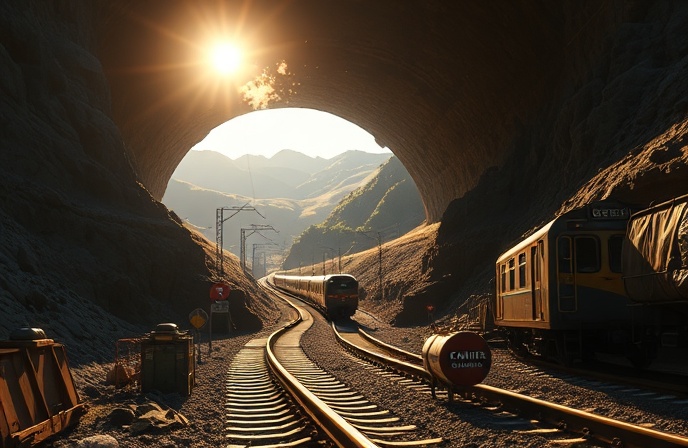
KiwiRail Assures Safety Following Dust Concerns in Remutaka Tunnel
Visible dust within carriages on the Wairarapa Line has prompted KiwiRail to reassure passengers and staff of the continued safety of train services through the Remutaka Tunnel. An independent investigation, conducted in response to reports from train managers, has confirmed the presence of dust, though initial air quality tests have revealed “very low” levels of respirable dust, including silica. The investigation was launched last week and revealed the dust likely resulted from construction activity within the tunnel earlier this year. This article will explore the findings, the proactive measures being taken by KiwiRail, and the future implications for operations on the Wairarapa Line, answering the key questions of who is involved, what has been found, when investigations are being carried out, where this is taking place, why these actions are necessary, and how KiwiRail is addressing the situation to ensure passenger and staff safety.
Dust Assessment and Initial Findings
The primary focus of the investigation has been to determine the nature and extent of the dust observed within the carriages. KiwiRail commissioned independent air quality experts to conduct thorough testing within the Remutaka Tunnel and on-board the Wairarapa Line trains. The initial results indicated “very low” levels of respirable dust, including silica. This data provided a foundation for KiwiRail’s reassurance that it is safe for trains to continue operating, and the operator has clearly stated that they are not aware of any risk to passengers or staff, based on the data collected.
Proactive Measures and Future Monitoring
While the initial findings are reassuring, KiwiRail is taking a proactive approach to further assess the situation. Following the recommendations of the independent experts, additional monitoring will be carried out next week. This will involve a comprehensive assessment to gather a wider range of data, allowing for a more detailed understanding of the dust’s composition, origin, and potential impact. KiwiRail Chief Metro and Capital Programme Officer David Gordon has stated that the source of the silica-containing dust appears to be construction activities related to the tunnel upgrade, with the ballast disturbed during the replacement of kilometres of ballast last summer. To further strengthen their dust management, KiwiRail has also committed to commissioning an independent review of its dust management procedures.
Personal Monitoring and Operational Adjustments
As part of the ongoing monitoring, the experts have recommended personal monitoring. This will involve onboard staff temporarily wearing personal monitoring equipment that measures air quality in their breathing zone and collects data over a range of days, times, and areas of the train. Metlink, the regional rail operator, has also responded by increasing the cleaning schedule of all Wairarapa Line trains and checking the seals on the train’s doors and windows. These measures demonstrate a commitment to ensuring that staff and passenger health and safety are being prioritized.
Collaboration and Union Involvement
A key aspect of KiwiRail’s approach involves collaboration with stakeholders. KiwiRail is working closely with Transdev, Metlink and the Rail and Maritime Transport Union (RMTU). The RMTU is particularly concerned about the exposure of staff to dust, and their spokesperson, Karen Fletcher, has emphasized the importance of containing the source of the dust to protect workers involved in servicing, maintenance, and fault repairs within the tunnel. KiwiRail has assured that they will share the results of all testing with stakeholders.
Conclusion
KiwiRail’s response to reports of dust within the Remutaka Tunnel highlights the importance of proactive health and safety management within the rail industry. The operator’s commitment to independent assessments, further monitoring, and the implementation of staff-focused initiatives shows a dedication to maintaining a safe environment for both passengers and staff. While the initial findings regarding respirable dust levels are reassuring, the upcoming comprehensive monitoring and the review of dust management procedures demonstrate a responsible approach. The involvement of the RMTU in addressing the situation underscores the importance of collaboration in tackling any safety-related concerns in the railway environment. The industry implication is that thorough, transparent responses and proactive measures are crucial for maintaining public confidence and the long-term health and safety of railway workers.
Company Summary:
KiwiRail is New Zealand’s state-owned rail operator, responsible for maintaining and operating the national rail network, including freight and passenger services. The company’s operations cover a wide range, including track maintenance, infrastructure development, and the provision of rolling stock. Metlink is the brand name for the passenger transport services operated by Greater Wellington Regional Council. It contracts with rail operators such as Transdev to provide passenger rail services in the Wellington region, including the Wairarapa Line. The Rail and Maritime Transport Union (RMTU) is the primary union representing rail workers in New Zealand, playing a critical role in advocating for safety and worker welfare.
RELATED POSTS

September 6, 2025 10:01 am
Cordel's PTC Asset Connect, launching January 2026, promises automated rail...

September 2, 2018 7:30 am
LA Metro's new Thruvision TAC-TS4 system enhances passenger screening, setting...
August 8, 2025 7:33 am
Alstom delivers first Traxx Universal locomotive to Romania, part of...

October 10, 2025 2:54 am
Norfolk Southern celebrates the 1,000th **DC-to-AC locomotive conversion**, boosting fuel...

September 13, 2010 12:08 pm
Bombardier Transportation, in consortium with Site, has won a contract...
July 22, 2025 5:33 am
Union Pacific and CHP team up for enhanced rail safety...