
Madrid Metro Line 6: Driverless Tech Revolution & Rail Capacity Boost
Madrid Metro’s Line 6 to adopt driverless technology, boosting capacity and frequency.
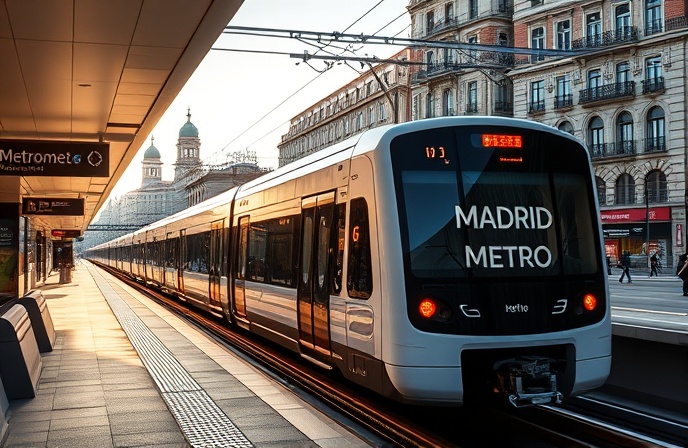
Madrid Metro Gears Up for Driverless Revolution on Line 6
Madrid, Spain – The bustling Madrid Metro is poised to embark on a significant modernization project, introducing advanced driverless technology to its critical Line 6. Systra, a global leader in railway engineering and consulting, has been selected as the specialist engineering partner to lead the system integration for this ambitious undertaking. The initiative, which aims to substantially enhance both frequency and passenger capacity, represents a major step forward for the Spanish capital’s public transportation network. This project, scheduled to commence imminently, will see the implementation of Grade of Automation 4 (GoA 4) driverless control systems, alongside the integration of platform screen doors. This article delves into the details of this transformative project, exploring its technical aspects, strategic implications, and future impact on the Madrid Metro and the broader railway industry. The “Who” is Systra and Metro de Madrid, the “What” is the automation of Line 6, the “When” is now, the “Where” is Madrid, the “Why” is to improve frequency and capacity, and the “How” is through advanced driverless technology.
Seamless System Integration: The Core of the Project
At the heart of the Line 6 upgrade lies the crucial process of system integration. Systra, in partnership with Ardanuy, will provide comprehensive technical assistance and support to ensure the seamless integration of all subsystems within the automated network. The initial phase focuses on equipping Metro de Madrid with the necessary methodologies, documentation, and operational frameworks to facilitate a smooth transition. This encompasses technical, functional, operational, and safety considerations, ensuring a robust and reliable driverless system. The integration process is paramount, as it will bring together various technologies, from signaling and train control to platform screen doors, guaranteeing their cohesive operation within the updated infrastructure. The implementation of GoA 4 automation indicates a fully automated system, minimizing or eliminating the need for on-board personnel, thus enabling optimized train schedules and enhanced operational flexibility.
Boosting Efficiency and Operational Excellence
The expected benefits of automating Line 6 are multifaceted. The introduction of driverless technology is projected to significantly improve train speeds, which will translate into reduced journey times for passengers. Moreover, the optimization of train schedules made possible by automation should substantially increase service frequency. Driverless operation also allows for enhanced efficiency through the reduction in the number of track switches required, contributing to fewer delays and disruptions. Maximizing fluidity in metro operations is a key goal, which will ultimately contribute to better passenger experience and greater overall operational capacity. The shift to GoA 4 systems directly benefits from these operational efficiencies through precision-timed station stops, optimized energy usage and less dependence on manual intervention.
A Strategic Milestone for Systra in Europe
This project marks a significant milestone for Systra within the European railway market, and more broadly on a global scale. The Madrid Metro contract is particularly notable given Systra’s existing expertise in delivering driverless metro solutions across the continent. The company has previously implemented similar automation projects on lines in cities like Stockholm, Paris, and Lyon, which have provided invaluable insight and expertise. The company is also active in Chile, which gives Systra a wealth of experience that can be applied in Madrid. The automation of Line 6, therefore, reinforces Systra’s position as a key player in the railway industry, especially within the burgeoning market for automated mass transit systems. It also demonstrates the applicability of modern engineering solutions to upgrade existing infrastructure and improve performance in a dynamic urban environment.
Conclusion
The automation of Madrid Metro’s Line 6 is a pivotal development in the evolution of urban public transportation, setting a new standard for efficiency, capacity, and passenger experience. The project, spearheaded by Systra, promises not only to transform Line 6 but also to serve as a blueprint for similar initiatives worldwide. By leveraging cutting-edge technology, including GoA 4 automation, the Madrid Metro is poised to enhance operational performance, optimize resource allocation, and meet the increasing demands of its ridership. The successful integration of driverless systems will undoubtedly influence the future of metro networks globally, as cities seek to modernize their transport infrastructure. The project’s success will offer insights into the intricacies of system integration, driverless technology implementation, and their effect on the wider urban environment. As cities continue to grow, the demand for more efficient and reliable public transit solutions will rise, positioning driverless systems as a cornerstone of future transit strategies.
RELATED POSTS
August 18, 2025 9:51 pm
Network Rail upgrades Lea Green station's signalling system, boosting reliability...

February 22, 2019 7:02 pm
Transmashholding's lightning-fast delivery of eight cutting-edge 81-717.6/714.6 metro carriages to...

September 30, 2025 3:54 pm
CAF celebrates the production of its 1,000th Urbos tram! These...
October 9, 2025 8:54 am
Gemini Trains partners to launch a new fleet of **high-speed...

August 6, 2025 4:33 am
Queensland rail sees massive ridership surge after 50-cent fares. ...
