
Queensland Rail: 50-Cent Fares Boost Public Transport Patronage
Queensland rail sees massive ridership surge after 50-cent fares. Patronage soared across state, especially in regional areas. Ekka show integration further boosts use.
Queensland Public Transport Sees Surge in Patronage Following Permanent Fare Reduction
Queensland’s public transport network is experiencing a significant boom in ridership, fueled by the permanent implementation of 50-cent fares in February 2025. This initiative, designed to alleviate cost-of-living pressures, has already resulted in over 96 million trips taken across the state. The program, spearheaded by the Queensland Government, has not only provided substantial savings to commuters, estimated at nearly $200 million, but also driven a notable increase in public transport usage, particularly in South East Queensland and regional areas. This article will delve into the specifics of the program’s impact, examining the increase in patronage across various modes of transport, the geographic distribution of ridership growth, and the upcoming integration with the Ekka agricultural show, providing a comprehensive overview of the success of the 50-cent fares initiative. The article will also explore the industry implications and future outlook.
South East Queensland Patronage Soars
Data collected between February and the end of July reveal a 16% surge in public transport trips across South East Queensland. This increase underscores the initiative’s effectiveness in attracting new and returning passengers. Buses have seen the most substantial gains, with customers logging 59.1 million trips. Trains followed with 26.8 million trips, trams recorded 6.6 million trips, and ferries accounted for 3.5 million trips. This data demonstrates a marked shift towards increased utilization of public transport options. The widespread adoption across different modes of transport suggests the program’s broad appeal and its potential to create a more sustainable and accessible transportation system for residents. The success can be attributed to the affordability of the reduced fares, coupled with the existing infrastructure within the South East Queensland region.
Regional Queensland Benefits from Fare Reduction
Beyond South East Queensland, regional areas are also experiencing a significant rise in public transport usage. Translink’s regional bus services are seeing impressive patronage growth. Cairns recorded a 41% increase, Townsville witnessed a remarkable 91% jump, and the Whitsundays area reported a 42% increase, all measured to the end of June. These figures highlight the program’s reach and positive effects across the state, particularly in areas where public transport may be a vital service for commuters and residents. This increase may also encourage the creation of more routes and services that are needed throughout the regions, further enhancing accessibility and convenience for residents.
Ekka Integration and Enhanced Connectivity
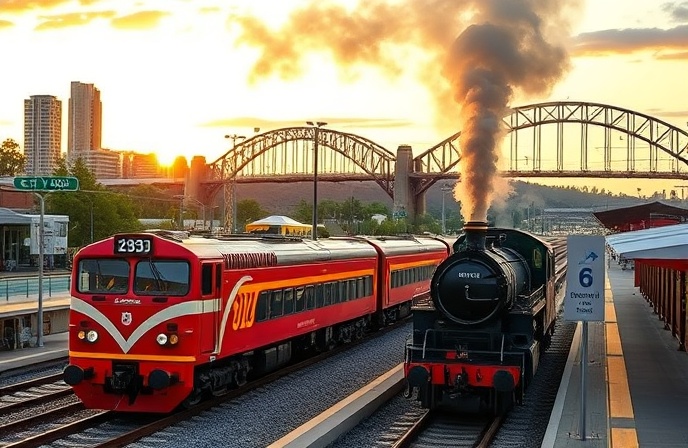
The Queensland Government has emphasized the convenience and affordability of using public transport to access the upcoming Ekka agricultural show from August 9th to 17th. With the reopening of the Exhibition train station in Brisbane, attendees will find it easy to reach the Brisbane Showgrounds. Bus and train connections from across South East Queensland are routed to the Exhibition loop service, while regular buses will also operate to Herston busway station, which is a short walk from the Ekka. Queensland Rail (QR) CEO Kat Stapleton noted that trains will run regularly to Exhibition station. QR plans to utilize a steam train on August 13th from Roma Street to Ekka to celebrate the company’s 160th birthday.
Conclusion
The Queensland Government’s decision to make 50-cent fares permanent has proven to be a resounding success, resulting in substantial savings for commuters and a significant increase in public transport patronage across the state. The initiative’s impact is evident not only in South East Queensland but also in regional areas like Cairns, Townsville, and the Whitsundays. The integration of public transport with the Ekka demonstrates a strategic effort to enhance accessibility and convenience. These developments have profound implications for the railway industry. The increased ridership can lead to significant revenue and investment opportunities, as well as spur advancements in infrastructure and service improvements. The Queensland experience highlights the importance of initiatives aimed at making public transport more affordable, accessible, and attractive. The future looks bright, with the potential for continued ridership growth. Further expansion of services and routes, along with strategic investments in infrastructure and rolling stock, will be crucial to build on this momentum and to support the sustained growth of Queensland’s public transport system. The ongoing monitoring and evaluation of the initiative will inform future policy decisions.
RELATED POSTS
September 27, 2025 1:37 pm
TfL system upgrades empower London's **railway** with automation, slashing manual...

January 17, 2025 1:01 pm
Australian rail standardizes battery charging, boosting greener transport. New...

October 20, 2025 9:54 pm
Amtrak completes vital **station accessibility upgrades** across five North Dakota...

October 15, 2019 9:05 am
This article examines the significant infrastructure upgrade underway on the...

July 10, 2025 11:34 pm
ScotRail partners with OptimiseAI to deploy digital twin tech, optimizing...

December 15, 2024 2:02 am
EN 15594 standardizes electric arc welding for rail restoration, ensuring...