
TMH Delivers 8 New Metro Cars to Yekaterinburg
Transmashholding’s lightning-fast delivery of eight cutting-edge 81-717.6/714.6 metro carriages to Yekaterinburg showcases their expertise in rapid, safe, and efficient rail modernization. Discover how!
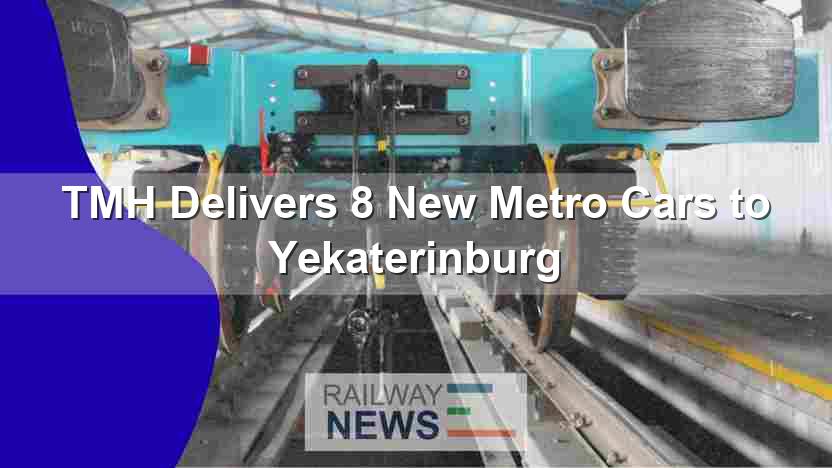
This article analysis the significant contract awarded to Transmashholding (TMH), a prominent rolling stock and rail equipment manufacturer, for the delivery of eight new metro carriages to the Yekaterinburg Metro system in Russia. The contract highlights TMH’s continued dominance in the Russian rail market and underscores the ongoing modernization efforts of Russian urban transit systems. We will examine the specifics of the contract, including the technical specifications of the 81-717.6/714.6 model carriages, the manufacturing process, and the implications of this delivery for the Yekaterinburg Metro. Additionally, we will explore the broader context of this contract within TMH’s wider business strategy and the evolving landscape of Russian metro infrastructure development. The analysis will also consider the technological advancements incorporated into these new carriages and their contribution to improved passenger safety, comfort, and operational efficiency.
Contract Details and Specifications
Transmashholding secured a contract to supply eight 81-717.6/714.6 metro carriages to the Yekaterinburg Metro. This order comprises four head cars and four intermediate cars, manufactured at TMH’s Mytishi plant. The contract stipulated a remarkably swift delivery timeline of 35 days from the signing date, demonstrating the company’s efficient production capabilities. Crucially, these carriages are designed for seamless integration with the existing Yekaterinburg fleet, minimizing disruption to service operations. The vehicles boast a top speed of 90 km/h (56 mph). Each head car offers seating for 39 passengers and a total capacity of 308 passengers, while intermediate cars provide seating for 48 passengers and a capacity of 330. The design incorporates fireproof and fire-resistant materials, adhering to stringent safety regulations concerning fire, electricity, and environmental protection. Advanced safety features include an updated railway safety system, intelligent door systems with open-close signaling, and a detailed video surveillance system linked directly to the driver’s cabin.
Technological Advancements and Safety Features
The 81-717.6/714.6 carriages represent a notable advancement in metro technology. The incorporation of fireproof and fire-resistant materials significantly enhances passenger safety, minimizing the risk of fire-related incidents. The updated railway safety system, coupled with the intelligent door systems and video surveillance, provides an enhanced level of security and operational control. The video surveillance system linked to the driver’s cabin allows for real-time monitoring of passenger behavior and immediate response to any potential issues. These advanced safety measures contribute to a more secure and reliable transportation experience for commuters. The seamless integration with existing Yekaterinburg rolling stock minimizes any potential operational issues caused by incompatibility between old and new rolling stock.
Manufacturing and Delivery
The efficient 35-day delivery timeline underscores TMH’s advanced manufacturing capabilities and streamlined production processes. The Mytishi plant, where the carriages were built, is a state-of-the-art facility equipped with advanced machinery and skilled personnel. This rapid turnaround time minimizes disruption to the Yekaterinburg Metro operations and demonstrates TMH’s commitment to meeting its contractual obligations promptly and efficiently. The production process likely incorporates rigorous quality control measures to ensure that the carriages meet the highest safety and performance standards. The timely delivery is a testament to TMH’s logistical expertise and efficient supply chain management.
Yekaterinburg Metro and Broader Implications
The Yekaterinburg Metro, operational since 1991, serves a network of 12.7 km (7.9 mi) and nine stations. The addition of these new carriages will significantly enhance its capacity and operational efficiency. This contract underscores the ongoing investment in infrastructure modernization within Russia’s urban transportation sector. The delivery is also indicative of TMH’s leading position in the Russian rolling stock market, reflecting its ability to secure major contracts and consistently deliver high-quality products. This success has broader implications for the future development of Russian metro systems, suggesting a continued trend towards modernization and technological advancements within the country’s rail networks.
Conclusion
Transmashholding’s contract to deliver eight 81-717.6/714.6 metro carriages to the Yekaterinburg Metro represents a significant development in Russian urban rail transit. The contract highlights TMH’s manufacturing prowess, evidenced by the rapid 35-day delivery timeframe, and its commitment to technological advancement in passenger safety and operational efficiency. The incorporation of fire-resistant materials, an updated railway safety system, intelligent door systems, and a detailed video surveillance system showcases TMH’s dedication to modernizing Russia’s rail infrastructure. The seamless integration of the new carriages with the existing Yekaterinburg fleet demonstrates thoughtful planning and efficient project management. The 90 km/h (56 mph) top speed and increased passenger capacity also point towards a clear improvement in Yekaterinburg’s transit capabilities. This project serves as a case study in efficient public transportation modernization, emphasizing the importance of integrating safety enhancements and technological upgrades into urban rail systems. The successful execution of this contract further solidifies TMH’s position as a key player in the Russian and potentially international railway market, showcasing its ability to provide high-quality, technologically advanced rolling stock solutions that meet the demanding needs of modern urban transportation networks. The swift delivery and advanced safety features of the new carriages underscore the importance of efficient project management and timely completion of infrastructural projects to minimize operational disruption. This project serves as a promising example for future urban rail modernization efforts globally.

Transport and railway industry editor covering global rail infrastructure, sustainable mobility, urban transit systems and next-generation railway technologies with a focus on accessible and industry-focused reporting.
RELATED POSTS
September 6, 2026 5:19 am
Hitachi delivered Taiwan's first N700ST high-speed train from Japan in...

September 5, 2026 4:19 pm
CPK launched formal tender talks with four consortia to design...

September 5, 2026 7:14 pm
HS2 Ltd signed renegotiated civils contracts with EKFB and Align...
September 6, 2026 6:17 am
Hungary ordered a national ban on most freight trains from...
September 6, 2026 1:17 am
Hitachi Toshiba Supreme Consortium confirmed the first of 12 N700ST...
September 7, 2026 8:16 am
Midea, Gree and TCL shipped air conditioners via China Railway...