
Tel Aviv Green Line LRT: A Transit Revolution
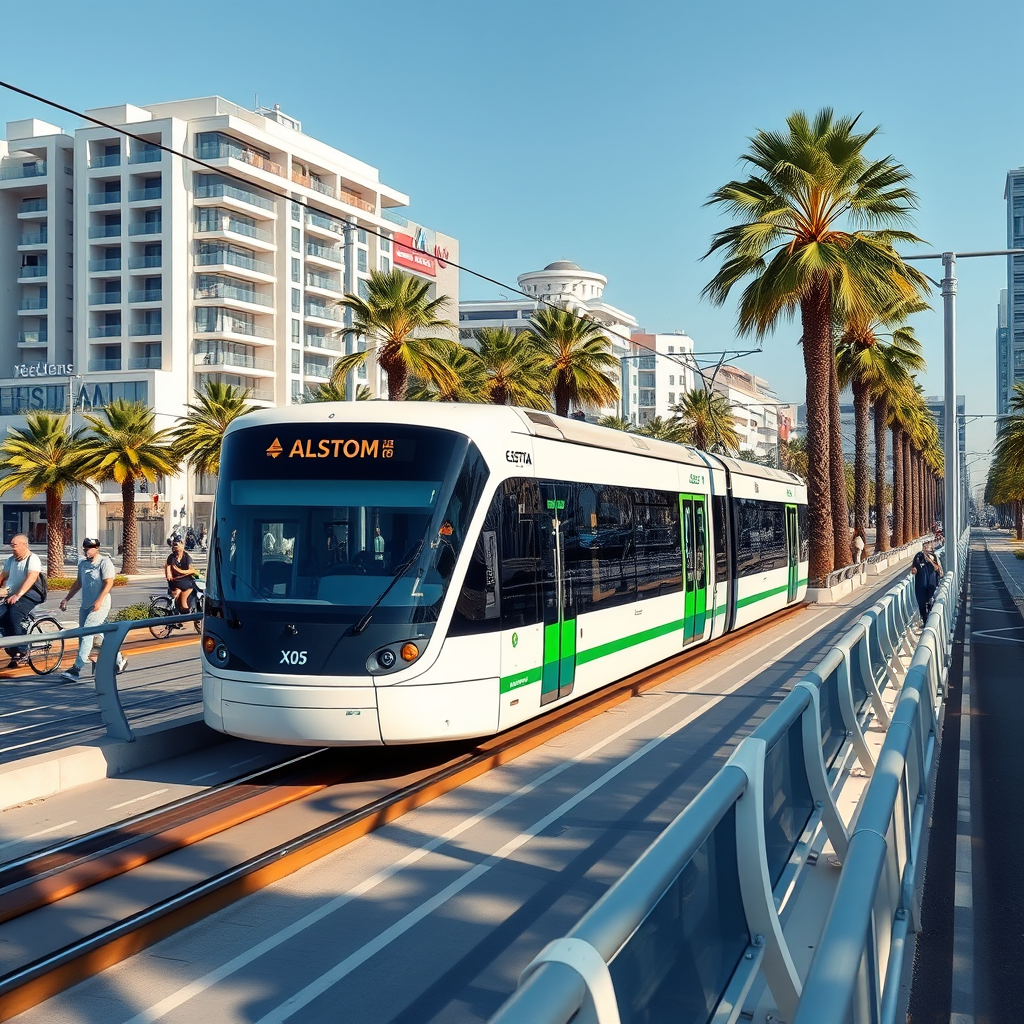
The Tel Aviv Metropolitan Light Rail Green Line Project: A Case Study in Large-Scale Transit Development
This article examines the Tel Aviv Metropolitan Light Rail (LRT) Green Line project, a significant undertaking in Israel’s ongoing efforts to modernize its urban transportation infrastructure. The project, a €2.6 billion ($2.8 billion USD) endeavor, involves the design, construction, and maintenance of a 39km light rail line encompassing 62 stations. This project builds upon the recent completion of the Red Line and the concurrent construction of the Purple Line, showcasing a broader commitment to expanding Tel Aviv’s public transit network. The focus will be on the collaborative effort between Alstom, Electra, and Dan Public Transportation, highlighting the complexities of such large-scale infrastructure projects, including technological advancements, logistical challenges, and the long-term operational considerations. The analysis will explore the economic, social, and environmental impacts, examining the project’s role in fostering sustainable urban growth and improving the quality of life for Tel Aviv residents.
The Consortium and its Roles
The Tel Aviv Green Line project is a prime example of a public-private partnership (PPP). The TMT Consortium, comprising Alstom, Electra, and Dan Public Transportation, brings together expertise in diverse areas critical to the project’s success. Alstom, a leading global rail manufacturer, contributes its design, engineering, and testing expertise, including the supply of its Citadis X05 trams, customized for the Green Line. Their €858 million contribution represents a substantial portion of the overall project cost. Electra takes on the design and construction of the civil works, a crucial element encompassing track laying, station construction, and overall infrastructure development. Finally, Dan Public Transportation, in a joint venture with Alstom and Electra, will be responsible for the long-term maintenance and operations of the system, ensuring its continued efficiency and reliability.
Technological Advancements and System Integration
The Green Line project incorporates cutting-edge Intelligent Transportation Systems (ITS) to optimize operations and passenger experience. These systems likely include advanced signaling, communication, and control technologies that improve train scheduling, passenger information dissemination, and overall network efficiency. The integration of these systems is paramount to ensuring seamless operations and maximizing the efficiency of the entire transit network. The use of modern signaling systems will help reduce delays and enhance safety, while improved passenger information systems will improve passenger experience and reduce crowding.
Addressing Challenges and Mitigating Risks
Undertakings of this scale inevitably present logistical and operational challenges. The Tel Aviv Red Line’s experience with significant delays serves as a cautionary tale, highlighting the need for robust project management, meticulous planning, and effective risk mitigation strategies. Factors such as coordinating numerous stakeholders, managing potential cost overruns, and ensuring timely completion while minimizing disruption to existing urban infrastructure must be carefully addressed. Effective communication and collaboration between the consortium partners, the NTA (National Transportation Authority), and other relevant parties are crucial to successfully overcome these challenges.
Economic and Social Impacts
The Green Line project is expected to have a profound impact on the Tel Aviv metropolitan area. The projected ridership of 275,000 passengers daily indicates its potential to significantly alleviate traffic congestion and reduce reliance on private vehicles, thereby improving air quality and reducing carbon emissions. Furthermore, improved access to transportation enhances social equity by improving connectivity for residents across the region, particularly those in previously underserved areas. The project is expected to create numerous jobs during the construction phase and ongoing operational roles, bolstering economic growth and stimulating development along the LRT corridor. The overall enhanced connectivity is projected to boost economic activity and improve the overall quality of life for Tel Aviv residents.
Conclusions
The Tel Aviv Metropolitan LRT Green Line project stands as a significant investment in Israel’s public transportation infrastructure. The successful financial closure of the contract marks a crucial step towards realizing the vision of a modernized and efficient transit system for the Tel Aviv metropolitan area. The collaborative nature of the project, involving Alstom, Electra, and Dan Public Transportation, exemplifies the strengths of public-private partnerships in delivering complex infrastructure projects. The integration of advanced Intelligent Transportation Systems (ITS) is poised to enhance operational efficiency and passenger experience. However, lessons learned from past delays on similar projects in the region highlight the importance of meticulous planning, effective risk management, and transparent communication among all stakeholders to ensure the project’s timely completion. The projected economic and social benefits, ranging from reduced traffic congestion and improved air quality to enhanced social equity and job creation, underscore the project’s significance in shaping the future of Tel Aviv’s urban landscape. The successful implementation of the Green Line will not only transform the city’s transport network but also contribute to a more sustainable, efficient, and equitable urban environment. The ongoing construction and future operation of the Green Line will provide valuable insights into the challenges and opportunities associated with large-scale transit projects, offering valuable lessons for other cities undertaking similar modernization initiatives globally.
RELATED POSTS

May 31, 2020 8:44 am
The Alstom Acquisition of Bombardier Transportation: A Restructuring of the...
November 15, 2019 12:09 am
Electrification of the Adelaide-Gawler Rail Line: A Case Study in...

April 30, 2015 10:45 pm
THE CHINA Civil Engineering Construction Corporation (CCECC) intends to embark...

LIRR locomotive engineers vote on strike, potentially impacting service. ...

November 16, 2013 6:32 am
East Japan Railway, the biggest member of the Japan Railway...

June 28, 2025 4:33 am
Barcelona Airport rail access project, 80% complete, nears completion. ...