
Portugal’s High-Speed Rail: Lisbon to Porto
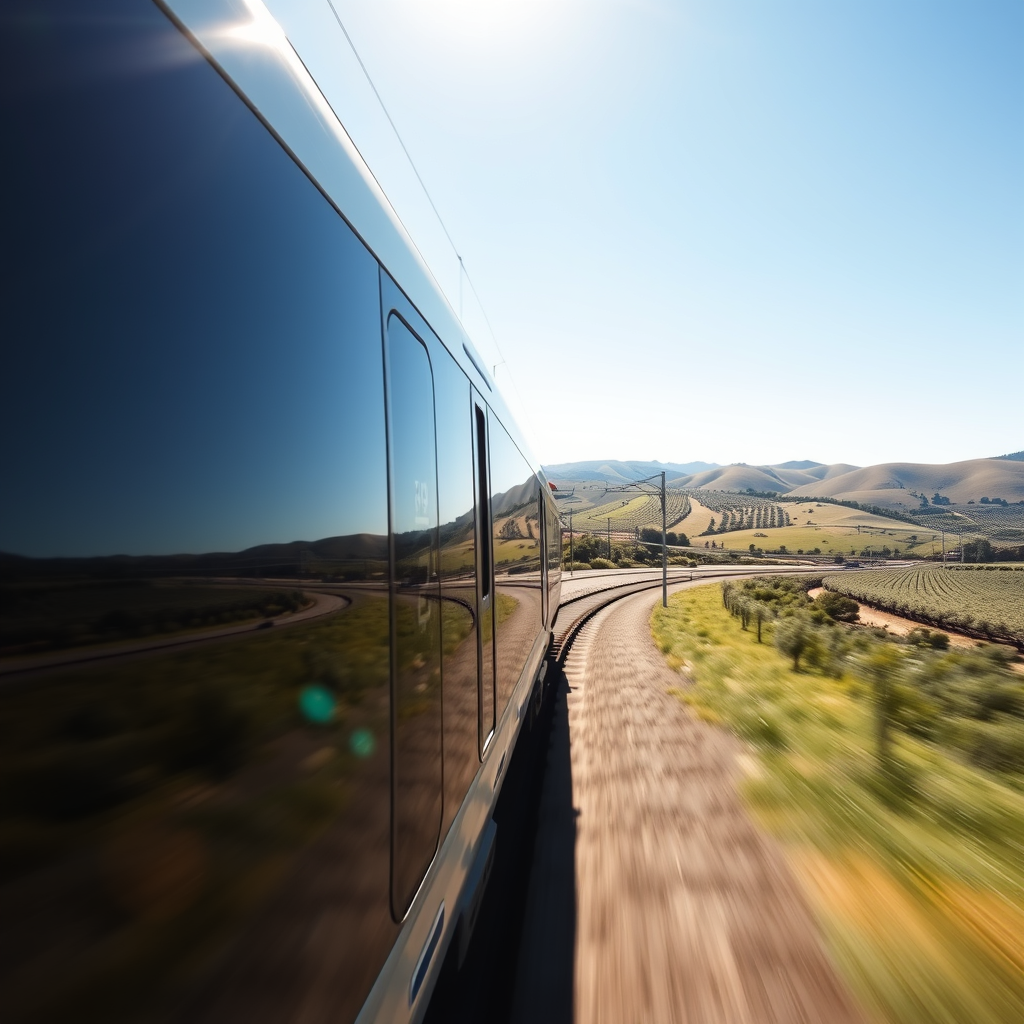
Portugal’s High-Speed Rail Connection: Lisbon to Porto
This article delves into the significant undertaking of constructing a high-speed rail (HSR) line connecting Lisbon and Porto, Portugal’s two largest cities. The project, a multi-billion euro endeavor, promises to revolutionize intercity travel, significantly reducing journey times and boosting economic connectivity. The ambitious plan is being rolled out in phases, involving substantial investment and complex logistical considerations. We will examine the project’s scope, the rationale behind its design choices, the financial implications, and the potential socio-economic impact on Portugal. Furthermore, we will explore the challenges involved in integrating this new infrastructure with the existing rail network and the broader European high-speed rail system. The analysis will encompass technical aspects of the project, financial strategies employed, and the anticipated benefits for passengers and the Portuguese economy.
Phase 1: Porto to Soure
The initial phase of the project, focusing on the Porto to Soure section, has recently seen the release of a tender by Infraestruturas de Portugal (IP) (Portugal’s rail infrastructure management company). This €2 billion ($2.1 billion) initiative, structured as a public-private partnership (PPP), will encompass approximately 70km of track, including substantial infrastructure such as 11.6km of tunnels, 9.5km of bridges, and 2.8km of viaducts. The construction of this section is slated to begin in 2025, showcasing a decisive step towards realizing the vision of high-speed rail travel between Portugal’s major cities. The choice of a PPP model highlights the government’s strategy to leverage private sector expertise and investment while maintaining public oversight of the project.
Gauge Choice and Cross-Border Connectivity
A crucial decision regarding the project involved selecting the track gauge. IP opted for the 1,668mm Iberian gauge, a decision defended by Vice President Carlos Fernandes as essential for seamless integration with existing Portuguese and Spanish rail networks. The incompatibility of the Iberian gauge with the standard European gauge (1,435mm) presents a significant logistical challenge. However, maintaining the Iberian gauge allows for direct connections with existing lines in Portugal and Spain, avoiding the substantial costs and disruptions associated with a gauge change and ensuring the feasibility of cross-border high-speed rail services within the Iberian Peninsula. This decision underscores the practical considerations influencing infrastructure development decisions within existing regional rail systems.
Projected Impact and Passenger Growth
The high-speed line is projected to significantly reduce travel time between Lisbon and Porto from the current two hours and 49 minutes to approximately one hour and 15 minutes. IP anticipates a substantial increase in passenger numbers, estimating an additional 10 million passengers annually after the completion of phases one and two. This predicted growth underscores the potential of HSR to stimulate economic activity and enhance mobility between major urban centers. The creation of a new station in Vila Nova de Gaia, Santo Ovídio, further demonstrates the commitment to optimizing accessibility and passenger convenience along the high-speed corridor. The addition of this station highlights a focus on strategic development aimed at enhancing regional connectivity and supporting future ridership.
Future Phases and Overall Project Conclusion
The project’s phased rollout envisages the Soure to Carregado section commencing in 2027, with the final segment anticipated to be completed after 2030. The entire 290km high-speed line will represent a transformative upgrade to Portugal’s rail infrastructure. This multi-phase approach allows for manageable project implementation, risk mitigation, and staged investment. It also provides opportunities to adapt and optimize the project based on the operational experience gained from the earlier phases. The overall project demonstrates a long-term commitment to improving Portugal’s transport network and promoting economic development through enhanced connectivity.
Conclusion
The Lisbon-Porto high-speed rail project represents a bold and ambitious undertaking for Portugal. The decision to proceed with the 1,668mm Iberian gauge, while potentially limiting future interoperability with broader European networks, prioritizes immediate connectivity within the Iberian Peninsula and avoids massive costs and disruption. The phased implementation, utilizing a public-private partnership model, reflects a strategic approach to managing financial risk and leveraging private sector expertise. The projected reduction in travel time and significant increase in passenger numbers point to a transformative impact on intercity travel and the Portuguese economy. The success of the project will not only depend on the efficient execution of the construction phases but also on effective integration with the existing rail network and the development of a robust operational strategy to manage the anticipated surge in passenger demand. The completion of this high-speed rail link will be a significant milestone for Portugal’s infrastructure development and will undoubtedly shape the future of intercity travel within the country, setting a benchmark for future HSR initiatives in other regions and impacting the overall mobility landscape of the Iberian Peninsula.
RELATED POSTS

June 23, 2016 11:46 am
German engineering company Siemens has received an order from Mitsui...
April 13, 2025 9:12 pm
Significant Federal Investment in Quebec’s Public Transportation Infrastructure This article...

May 15, 2022 12:09 pm
This article examines the recent delivery of the first C2...
October 9, 2022 8:36 pm
Avanti West Coast: A Six-Month Lifeline and the Future of...

November 26, 2025 8:42 am
Great Britain's **rail revenue** soared 8% to GBP 11.5 billion,...
October 15, 2019 6:37 am
The global railway industry is undergoing a significant transformation, driven...