
Quebec’s Transit Revolution: Billions in Upgrades
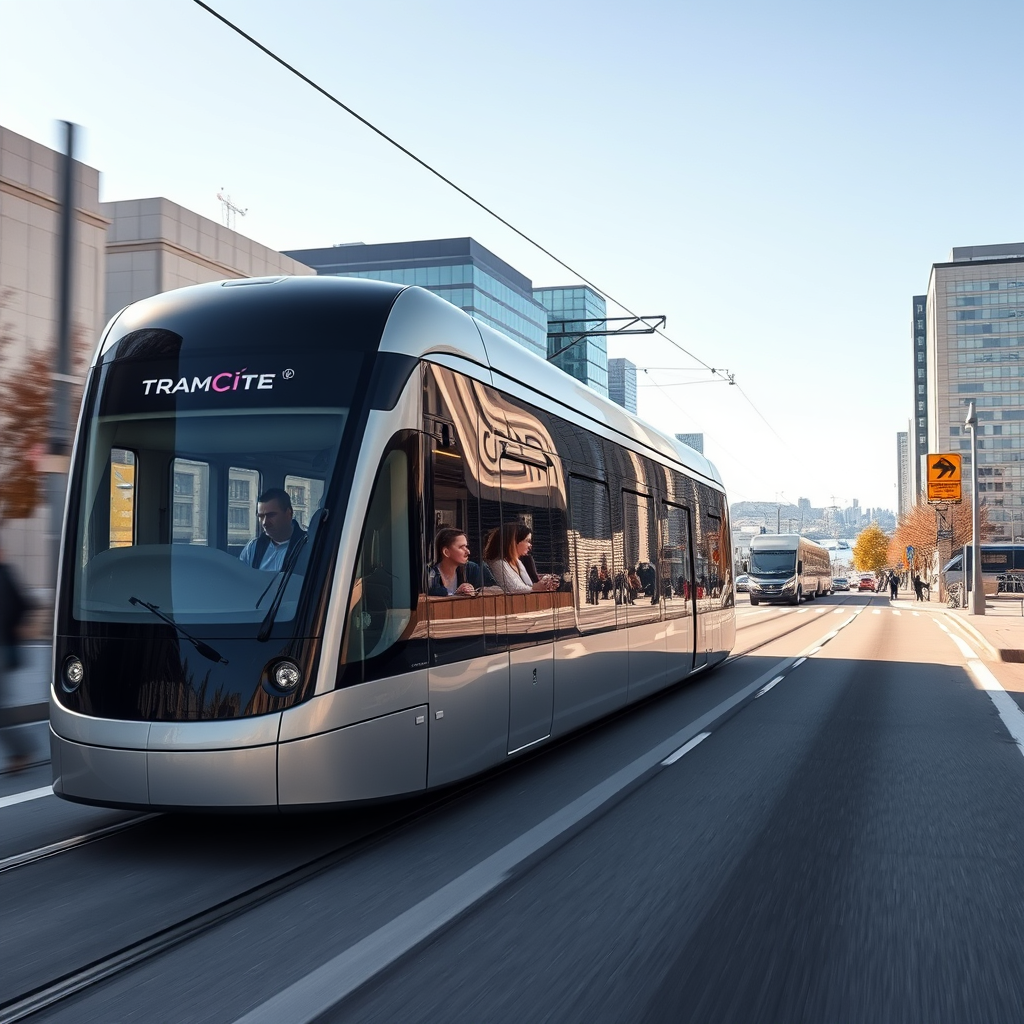
Significant Federal Investment in Quebec’s Public Transportation Infrastructure
This article explores the substantial financial commitment made by the Canadian government to two significant public transit projects in Quebec: the expansion of the Quebec City tramway (TramCité) and the extension of Montreal’s Metro Blue line. These investments, totaling over C$1.1 billion ($767 million USD), represent a crucial step towards modernizing Quebec’s public transportation infrastructure, promoting sustainable mobility, and stimulating economic growth within its major urban centers. The projects encompass not only the construction of new lines and stations but also the implementation of advanced technologies, such as upgraded train control systems, underscoring a commitment to efficient and safe transportation. The analysis will delve into the specifics of each project, highlighting the technological advancements, economic implications, and long-term impact on the urban landscapes of Quebec City and Montreal. Further, the article will consider these projects within the broader context of Canada’s national strategy for sustainable transportation and its commitment to reducing carbon emissions while improving the quality of life for its citizens. The implications of these investments for future public transit development in Canada will also be discussed.
The Quebec City TramCité Project: A Modern Tramway System
The TramCité project in Quebec City involves the construction of a 19km electric tramway, including a 1.9km underground section. This significant undertaking will feature 29 stations, two park-and-ride facilities, five interchanges, an operations and maintenance center, two centralized control stations, and a fleet of approximately 30 trams. The federal government’s contribution of C$332.3 million brings the total funding for TramCité to over C$1.4 billion. This substantial investment underscores the commitment to modernizing Quebec City’s public transit system and providing citizens with a sustainable and efficient transportation alternative. The project’s focus on sustainable transportation aligns with broader Canadian initiatives aimed at reducing carbon emissions and promoting environmentally friendly modes of travel. The integration of park-and-ride facilities promotes the use of public transit by facilitating easy access from the city’s periphery, addressing the needs of commuters coming from various areas.
Montreal Metro Blue Line Extension: Expanding Capacity and Modernizing Infrastructure
The expansion of Montreal’s Metro Blue Line involves the construction of five new underground stations within a 6km tunnel, along with two new bus terminals, an underground pedestrian tunnel, and a mezzanine pedestrian link. The project is slated for completion in 2031 and has received over C$650 million in federal funding, bringing the total investment to just over C$1.9 billion. Beyond the physical expansion, a critical aspect of this project is the C$202.8 million investment in upgrading the train control system for the entire Blue Line, including the extension. This involves replacing the existing fixed block train control system with a modern, technology-based system (likely a Communication-Based Train Control system or CBTC), significantly enhancing safety, efficiency, and capacity. This modernization demonstrates a commitment to integrating advanced technology to optimize operations and improve overall performance of the metro system.
The Alto High-Speed Rail Project: A Vision for the Future
While not directly part of the initial funding announcement, the Canadian government’s selection of the Cadence Consortium as the preferred bidder for the Alto high-speed rail project between Quebec City and Toronto deserves mention. This project, featuring trains capable of reaching speeds up to 200 km/h, represents a significant step towards enhancing intercity connectivity and promoting high-speed rail development in Canada. This demonstrates a broader commitment to improving inter-city passenger transport, and complements the investments in urban public transportation. The inclusion of international expertise within the Cadence Consortium (CDPQ Infra, AtkinsRealis, Keolis, Systra, SNCF Voyageurs, and Air Canada) highlights the global interest and investment opportunities in Canada’s expanding transportation infrastructure.
Conclusions: Investing in a Sustainable Transportation Future
The Canadian government’s substantial investment in Quebec’s public transit infrastructure represents a significant commitment to sustainable development and economic growth. The expansion of the Quebec City tramway and the Montreal Metro Blue line, coupled with the ambitious Alto high-speed rail project, demonstrates a strategic focus on modernizing transportation networks and improving inter-city and intra-city connectivity. The projects go beyond mere infrastructure expansion; they incorporate advanced technologies such as modern train control systems (CBTC) to enhance safety, efficiency, and capacity. These upgrades not only improve the commuter experience but also demonstrate a forward-thinking approach to integrating technology in public transport. The economic impact of these projects is substantial, generating thousands of jobs during construction and fostering economic activity in both cities. Furthermore, the shift towards sustainable transportation options—electric trams and high-speed rail—directly contributes to Canada’s commitment to reducing carbon emissions and building a greener future. The success of these initiatives will serve as a model for future investments in public transit across Canada, potentially inspiring similar large-scale projects in other provinces and solidifying Canada’s position as a leader in sustainable and technologically advanced transportation systems.
RELATED POSTS

June 11, 2022 11:44 am
The Gosforth Metro Depot: A Case Study in Modern Rail...
October 11, 2019 7:07 pm
This article examines the significant infrastructure upgrades undertaken by the...

May 31, 2025 3:00 am
Poland, May 27, 2025 – A significant investment agreement has...
January 29, 2022 6:18 pm
This article explores the significant railway infrastructure upgrade underway at...
August 11, 2022 1:31 am
The Siemens Xcelerator Platform: Revolutionizing Railway Digital Transformation The railway...
September 12, 2025 4:01 pm
Stadler delivers 100th EURODUAL locomotive, boosting sustainable European rail freight.