
Belgian Rail’s Solar Power Revolution: Avernas Project
Introduction
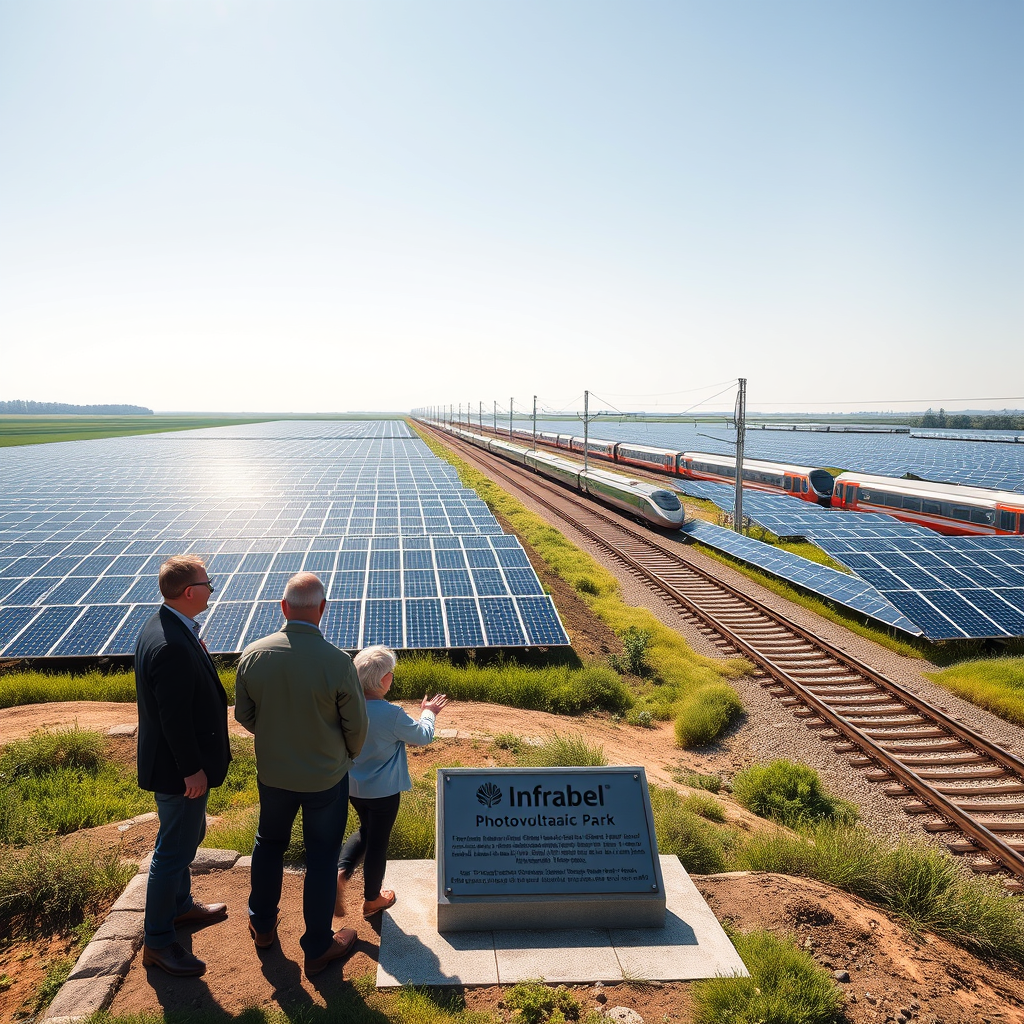
The integration of renewable energy sources into railway infrastructure is a crucial step towards sustainable transportation. This article explores the development of a significant solar power project in Belgium, specifically designed to power the national rail network and international services. The Avernas photovoltaic park, situated strategically near the high-speed rail line HSL-2 (High Speed Line 2), represents a pioneering initiative in leveraging renewable energy for rail electrification. This project’s success offers valuable insights into the feasibility and potential benefits of integrating renewable energy sources, not only for reducing carbon emissions within the rail sector but also for improving energy security and resilience within national railway systems. We will examine the technical aspects of the project, its economic implications, and the broader implications for sustainable rail transport development across Europe and beyond. The analysis will delve into the project’s strategic location, its capacity and projected output, and the collaborative efforts undertaken to bring this ambitious project to fruition. Finally, the article will conclude by assessing the project’s long-term sustainability and potential for replication elsewhere.
Strategic Location and Infrastructure
The Avernas photovoltaic park’s location near the HSL-2 high-speed rail line between Leuven and Ans is paramount to its success. This strategic placement minimizes transmission losses, a critical factor in maximizing the efficiency of renewable energy integration into the rail network. HSL-2, a standard gauge, electrified route, forms part of the Belgium’s international rail network, connecting to Germany and the Netherlands via the Brussels-Cologne route utilized by ICE (InterCityExpress) trains. The proximity to existing infrastructure, including a substation and a wind farm, further enhances the project’s efficiency and reliability. This synergy with existing infrastructure underscores the importance of a holistic approach to renewable energy integration in rail, where the existing grid infrastructure is carefully considered in the planning and deployment phases.
Project Scale and Capacity
The Avernas park, spanning three hectares, will eventually house at least 3,800 solar panels, generating an estimated 2,700 megawatt-hours (MWh) annually. Upon full operational capacity, the park is projected to power approximately 500 train services per week. This substantial output demonstrates the potential of large-scale solar installations to meet the considerable energy demands of a national rail system, highlighting the potential for solar energy to contribute significantly to reducing the rail sector’s reliance on fossil fuels. The projected output reflects careful consideration of solar irradiance levels and the specific energy needs of the rail system, demonstrating a well-engineered approach to renewable energy integration.
Economic and Environmental Impacts
The Avernas project represents a significant investment, with Infrabel (the Belgian railway infrastructure manager) committing over $2 million, supplemented by state subsidies. While the initial investment is substantial, the long-term economic benefits include reduced reliance on fossil fuels, decreased energy costs, and potential revenue generation through power export. Furthermore, the environmental impact is substantial, with a considerable reduction in greenhouse gas emissions, contributing to Belgium’s climate goals and wider European Union sustainability targets. The project exemplifies a successful public-private partnership model, demonstrating the potential for collaborative funding mechanisms to drive sustainable infrastructure development.
Collaboration and Future Prospects
The successful launch of the Avernas project highlights the collaborative effort between Infrabel, the Belgian government, and private sector investors. The presence of Deputy Prime Minister George Gilkinet and Infrabel’s CEO Benoît Gilson at the installation of the first panels underscores the political and strategic importance of the initiative. The project serves as a model for other countries seeking to decarbonize their rail systems. The successful integration of solar energy into the existing rail infrastructure, coupled with its synergistic relationship with existing wind power generation, demonstrates the feasibility of hybrid renewable energy solutions in the rail sector. This approach minimizes the intermittency issues associated with solely relying on solar power, enhancing the reliability and stability of the energy supply for rail operations. The replication of similar projects across Europe and beyond could significantly contribute to reducing the environmental footprint of the global rail network.
Conclusions
The Avernas photovoltaic park stands as a compelling example of how renewable energy sources can successfully integrate into existing rail infrastructure, powering not only domestic but also international train services. Its strategic location near the HSL-2 high-speed line, combined with the utilization of existing infrastructure, minimizes energy losses and maximizes efficiency. The project’s scale, with its projected capacity to power 500 weekly train services upon completion, showcases the potential of large-scale solar installations to meet the significant energy demands of modern rail networks. The economic analysis reveals a substantial, albeit initially costly, investment which promises long-term returns through reduced operational expenses and contributions towards environmental sustainability. The collaborative effort between Infrabel, the Belgian government, and private investors underlines the importance of public-private partnerships in driving forward sustainable infrastructure development. Beyond its immediate impact on Belgium’s rail network, the Avernas project offers a valuable blueprint for other nations striving to reduce their carbon footprint and transition to cleaner, more sustainable transportation systems. The project’s success showcases the technical feasibility, economic viability, and environmental benefits of incorporating renewable energy into rail operations, inspiring similar initiatives globally and significantly advancing the cause of sustainable rail transport. The lessons learned from the Avernas project—concerning strategic planning, efficient infrastructure utilization, and collaborative funding models—will be crucial in accelerating the global transition towards a greener and more resilient railway sector.
RELATED POSTS

June 10, 2025 9:00 am
Leo Express sees strong 2024 growth, boosted by Renfe ownership...

December 20, 2016 9:51 pm
Enhancing rail safety: The Port of Townsville is receiving a...
June 28, 2019 2:10 am
This article examines the significant expansion of Israel Railways’ (ISR)...
August 17, 2022 12:05 am
This article examines the recent labor disputes within the British...
October 20, 2017 6:43 am
Optimize railway infrastructure for unmatched safety and efficiency. Discover...

November 17, 2025 3:54 pm
QTS Group strengthens community ties with volunteer work and defibrillator...