
Makaton on Rails: Inclusive Design in Cumbria
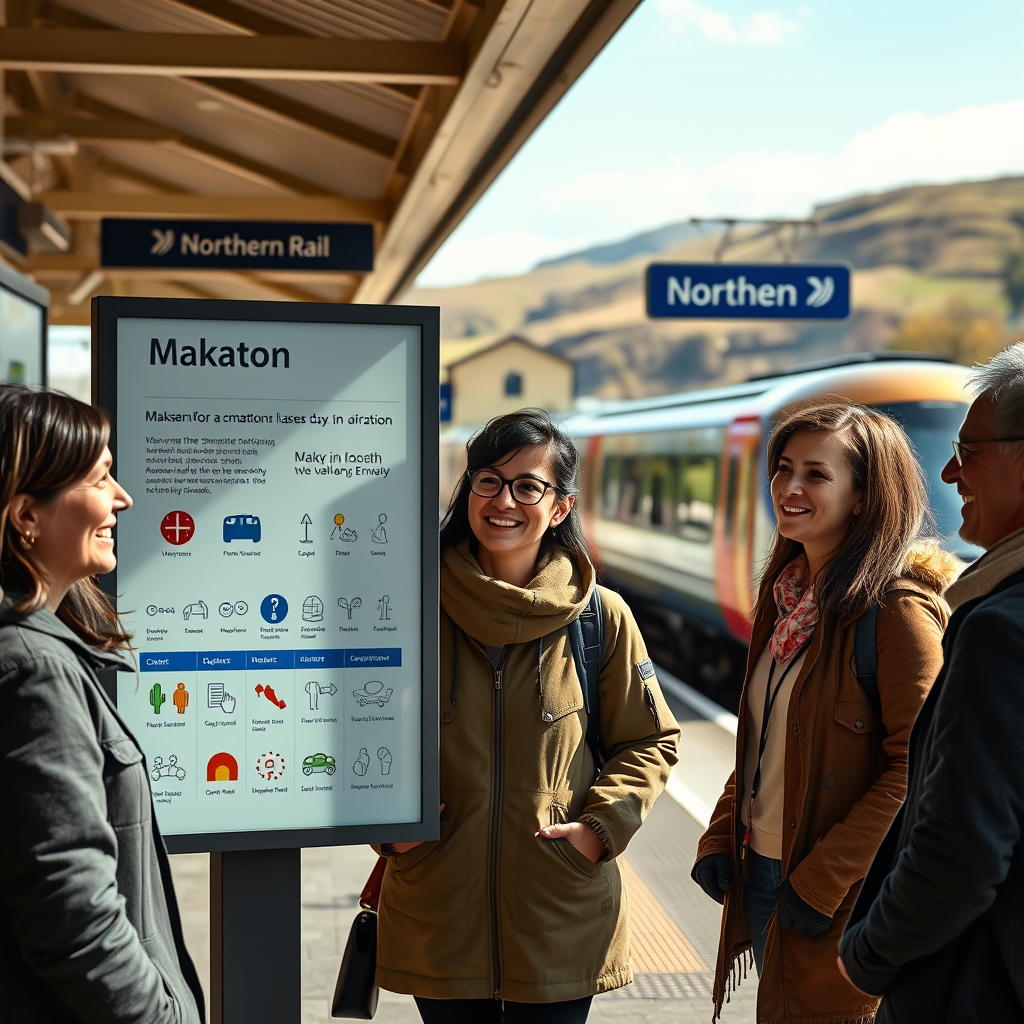
Enhancing Accessibility on the Northern Rail Network: A Case Study in Inclusive Design
This article explores a significant initiative undertaken by Northern Trains, a UK rail operator, to improve accessibility for passengers with communication disabilities. The focus is on the “Beyond the Home” project, which involves the installation of Makaton (a communication system using symbols, signs, and speech) information panels at six stations along the Cumbrian Coast Line. This project exemplifies a broader commitment to inclusive design within the railway industry, highlighting the importance of considering the diverse needs of all passengers and the potential of collaborative partnerships to achieve impactful results. The discussion will delve into the project’s implementation, its impact on accessibility, and its implications for future developments in railway accessibility across the UK and beyond. We will also examine the broader context of Intelligent Transportation Systems (ITS) and their role in creating more inclusive public transportation networks.
The “Beyond the Home” Project: Implementing Makaton in Cumbria
The core of this initiative is the installation of Makaton information panels at six stations (Corkickle, Dalston, Harrington, Seascale, St Bees, and Wigton) in Cumbria, England. These panels provide crucial information regarding local attractions, walking routes, and nature reserves using the Makaton communication system. This system, developed in the 1970s, is used by over 100,000 individuals, either as their primary communication method or as supplemental support to speech. By employing Makaton, Northern Trains actively addresses the communication barriers faced by many passengers with disabilities, significantly enhancing the accessibility of their rail services and the surrounding areas. The project’s success stems from its collaborative nature, bringing together Northern Trains, local non-profits (Community Rail Cumbria, West House, Carlisle Day Services, and Allerdale & Copeland Day Opportunities), Cumberland Council, and The Makaton Charity.
Collaboration and Community Engagement: A Key to Success
The “Beyond the Home” project’s success is a direct result of its collaborative approach. The partnership between Northern Trains and various local organizations, including community groups and charities specializing in disability support, ensured the project effectively met the needs of the target community. Local volunteers and Makaton users themselves actively participated in the project’s development and implementation. This participatory approach fostered a sense of ownership and ensured the information presented was relevant, accessible, and culturally sensitive. This community engagement model offers a valuable blueprint for other railway operators seeking to improve accessibility for diverse passenger groups.
Beyond Makaton: A Broader Perspective on Rail Accessibility
While the Makaton initiative is noteworthy, it represents just one aspect of Northern Trains’ commitment to improving accessibility. The company has invested in various technologies aimed at aiding passengers with disabilities, demonstrating a broader strategic focus on inclusive design. This commitment extends beyond immediate passenger needs, acknowledging the importance of broader societal inclusion and accessible travel experiences. The allocation of funds from a dedicated accessibility innovation fund further underscores this commitment to ongoing improvement and the exploration of innovative solutions. The long-term implications of this strategic focus will undoubtedly have significant impacts on passenger satisfaction and societal benefit.
Conclusion: Towards a More Inclusive Railway System
The “Beyond the Home” project showcases the significant impact of thoughtful design and collaborative partnerships in improving accessibility within the rail industry. The implementation of Makaton information panels at six Cumbrian stations represents a tangible step towards a more inclusive railway system, facilitating easier travel for individuals with communication disabilities and promoting greater community engagement. This initiative, combined with Northern Trains’ wider investments in accessibility technologies and its active participation in innovation funding, highlights a growing recognition within the rail sector of the need to meet the diverse needs of all passengers. The success of this project demonstrates that prioritizing accessibility is not merely a matter of compliance, but a strategic opportunity to improve service quality, enhance brand image, and contribute to a more equitable and inclusive society. The collaborative model adopted, involving local communities and specialist organizations, serves as a best-practice example for other railway operators and transportation providers seeking to improve accessibility and foster greater inclusivity within their own networks. The future of rail travel hinges on the continued development and implementation of such innovative and inclusive strategies, ensuring that everyone can benefit from the convenience and efficiency of rail transportation. The focus on Intelligent Transportation Systems (ITS) development further reinforces this commitment to a more sophisticated and inclusive approach to rail management and operation.
RELATED POSTS

November 11, 2020 12:51 am
This article explores the groundbreaking development and implementation of a...

Container port cargo volume at US ports anticipates a slowdown...

French firm Alstom is looking for strategic partnerships in India...
November 21, 2019 8:54 am
The tragic Tezgam Express fire in Pakistan, resulting in the...
March 29, 2019 11:15 pm
CN's $120 million Manitoba rail infrastructure upgrade boosts capacity, safety,...
May 23, 2018 4:18 pm
Albania's rail network is getting a massive upgrade! €72.4...