
£103M Metro Flow: Tyne & Wear’s Expansion

This article delves into the £100 million Metro Flow project in South Tyneside, UK, a significant undertaking aimed at modernizing and expanding the Tyne and Wear Metro system. The project focuses on upgrading and electrifying an existing freight line to integrate it into the Metro network, thereby significantly increasing capacity and improving service frequency. This expansion is crucial for accommodating projected growth in ridership and addressing the increasing demand for efficient public transportation in the region. The project’s multifaceted approach involves track doubling, overhead line electrification, the procurement of new rolling stock, and the implementation of intelligent transportation systems (ITS). This analysis will examine the engineering challenges, financial aspects, and societal impact of this ambitious infrastructure project, highlighting its contribution to sustainable urban development and improved public transport connectivity in the Tyne and Wear area. The article will further explore the potential ripple effects on the local economy and the implications of such large-scale transport upgrades on regional planning and development.
Track Doubling and Electrification: Enhancing Network Capacity
The core of the Metro Flow project involves the doubling of track on three single-track sections of the existing line between Pelaw and Bede Metro stations. This crucial upgrade will alleviate bottlenecks, allowing for increased service frequency and reduced journey times. The existing single-track sections between Pelaw and Hebburn, Hebburn and Jarrow, and Jarrow and Bede will all be converted to dual track. This transformation will fundamentally alter operational capabilities, allowing for bi-directional traffic flow on these previously constrained sections. Concurrently, the electrification of the line through the installation of a new overhead line (OHL) system is underway, paving the way for the introduction of electric multiple units (EMUs), further improving efficiency and sustainability.
Intelligent Transportation Systems (ITS) and Modernization
The project incorporates the strategic implementation of Intelligent Transportation Systems (ITS), which encompass advanced technologies designed to optimize network operation and enhance the passenger experience. These systems contribute to real-time monitoring, predictive maintenance, and efficient resource allocation, contributing to a more responsive and reliable transit service. While the specifics of the ITS implementation within Metro Flow aren’t fully detailed, it’s likely to involve elements like centralized train control systems, automated fare collection, and real-time passenger information systems. These technological upgrades significantly modernize the infrastructure, making it more adaptable to future needs and technological advancements. This also contributes to improved safety and operational efficiency.
Funding and Project Management: A Public-Private Partnership
The Metro Flow project boasts a significant investment of £103 million, with a substantial portion (£95 million) sourced from the government’s Transforming Cities Fund. This demonstrates a strong commitment to improving public transportation infrastructure and reflects the importance placed on regional connectivity and economic growth. The remaining funding is likely covered by Nexus, the Tyne and Wear Metro operator, potentially including contributions from local authorities or private sector partnerships. Buckingham Group Contracting secured a £55 million tender for the construction phase, showcasing the significant scale and complexity of the undertaking. The project’s successful execution relies on robust project management, encompassing meticulous planning, efficient resource allocation, and effective collaboration among various stakeholders.
New Rolling Stock and Future Expansion
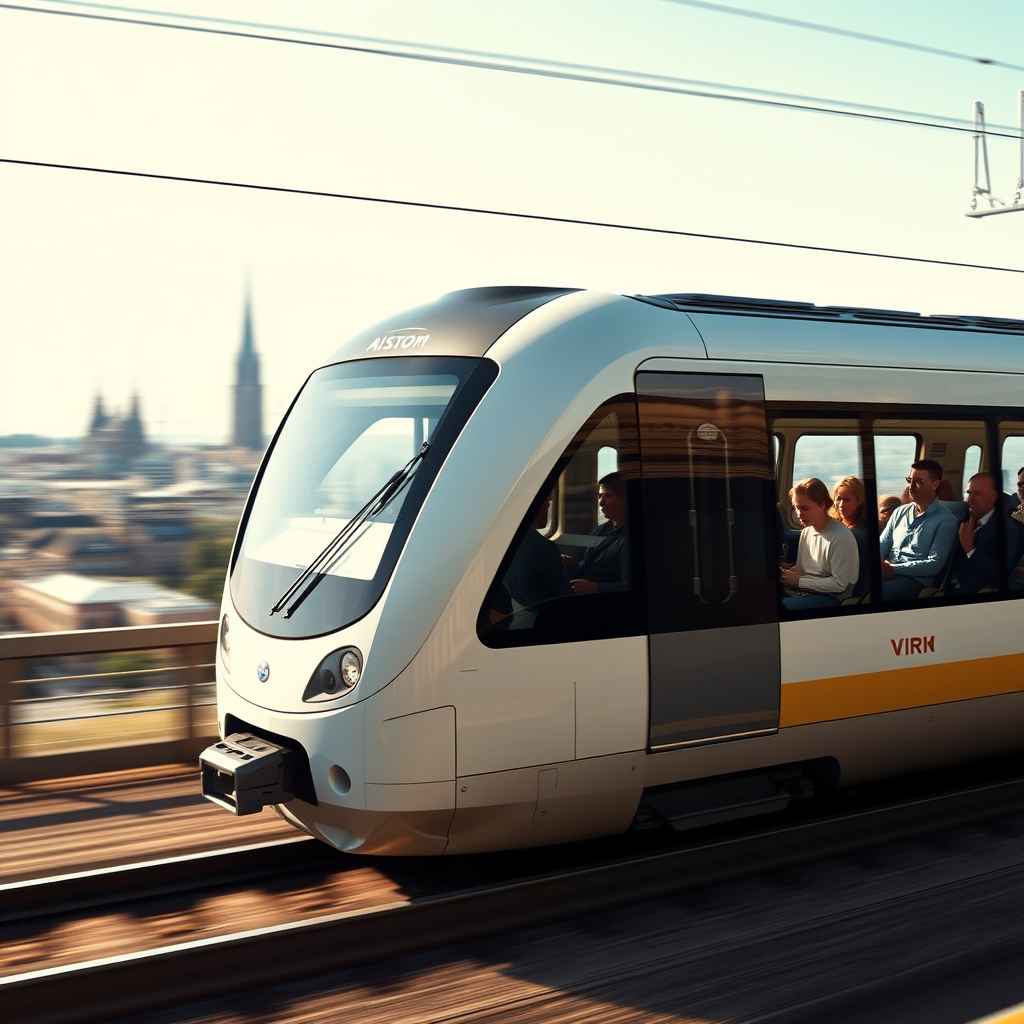
In conjunction with the infrastructure upgrades, the Metro Flow project facilitates the acquisition of additional rolling stock. Four new trains will be added to the existing order of 42 new trains, further enhancing the system’s capacity to handle the increased passenger numbers. This fleet expansion is critical for maintaining adequate service levels and ensuring passenger comfort. The integration of the new trains with the upgraded infrastructure, particularly the electrified lines, signifies a complete modernization of the system. The new fleet is likely to incorporate modern features, including improved accessibility for passengers with disabilities, enhanced passenger information systems, and enhanced comfort features.
Conclusion
The Metro Flow project represents a significant investment in the future of public transportation in South Tyneside. By upgrading and electrifying an existing freight line, doubling track sections, and integrating advanced ITS, the project aims to significantly increase capacity, reduce journey times, and enhance the overall passenger experience. The £103 million investment, primarily funded by the government’s Transforming Cities Fund and supplemented by Nexus, underscores the importance of this initiative in supporting regional economic growth and sustainable urban development. The successful implementation of the project will not only alleviate current capacity constraints but also lay the foundation for future expansion and improvements to the Tyne and Wear Metro network. The addition of four new trains to the existing fleet, alongside the upgrade of existing infrastructure, indicates a comprehensive strategy for modernizing and expanding the system’s capacity. The successful integration of Intelligent Transportation Systems (ITS) will further optimize operations, improve efficiency, and enhance the overall passenger experience. The project’s meticulous planning, robust project management, and commitment to sustainable practices make it a model for future infrastructure development projects aimed at improving public transportation networks. The successful completion of Metro Flow promises significant improvements to the lives of commuters in South Tyneside and exemplifies the transformative power of strategic investment in public transportation.
RELATED POSTS
March 12, 2021 12:44 pm
The Integration of Public Transit and Public Health: A Case...
April 20, 2025 3:15 am
Introduction The global railway industry is experiencing a period of...
February 5, 2020 10:28 pm
Reviving Britain’s Rail Network: A £500 Million Investment in Connectivity...

November 5, 2016 7:08 pm
Metrolinx has begun the process of cancelling a $770M LRVs...

June 13, 2025 7:00 pm
Alstom receives "Made in Mexico" certification, boosting its railway sector...
May 21, 2020 1:47 am
The COVID-19 pandemic drastically altered the landscape of public transportation...