
Nagpur Metro Phase II: Funding, Scope & Impact
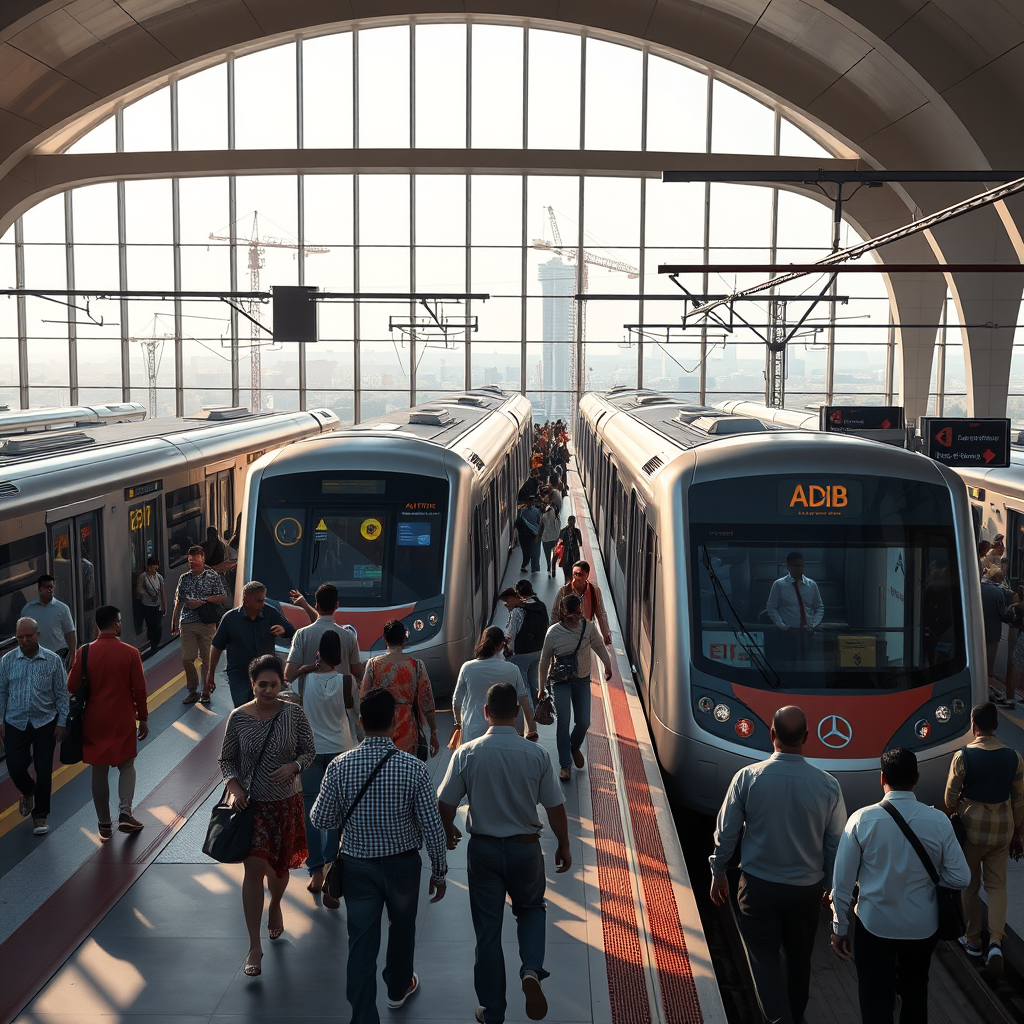
This article delves into the significant expansion of Nagpur’s metro rail system, focusing on Phase II and its financial backing. The Nagpur Metro Rail Project, a crucial component of India’s broader infrastructure development, exemplifies the nation’s commitment to improving urban transportation and connectivity. This expansion, supported by substantial international funding from institutions such as the Asian Development Bank (ADB) and the European Investment Bank (EIB), highlights the collaborative efforts needed for large-scale transit projects. We will examine the financial structure of Phase II, the planned infrastructure improvements, the anticipated impact on Nagpur’s citizenry, and the project’s place within India’s larger railway modernization initiatives. Furthermore, the article will briefly contrast the Nagpur project with other recent large-scale railway developments in India, providing context and demonstrating the nation’s ongoing commitment to upgrading its railway network. This analysis will reveal the intricacies of securing funding, managing large-scale projects, and the wider socio-economic implications of such undertakings.
Nagpur Metro Phase II: Funding and Scope
The Nagpur Metro Rail Project Phase II, a 43.8km extension, is receiving significant financial support. The Asian Development Bank (ADB) has committed ₹15.27 billion ($200 million), a substantial contribution to the project’s estimated ₹67.08 billion total cost. The European Investment Bank (EIB) is also contributing ₹15.27 billion, with the remaining funds – ₹31.23 billion – being jointly provided by the Indian government and the Maharashtra state government on a 50:50 basis. This multifaceted funding model underscores the collaborative nature of such large-scale infrastructure projects, demonstrating the public-private partnership crucial for their success. The project, encompassing 32 new stations, aims to significantly improve public transportation within Nagpur and its surrounding areas, benefiting an estimated one million citizens.
Project Components and Infrastructure
Phase II consists of four extensions to the existing Phase I network. These extensions are: Khapri – MIDC ESR (18.5km), Automotive Square – Kanhan River (13km), Prajapati Nagar – Transport Nagar (5.6km), and Lokmanya Nagar – Hingna (6.7km). These strategically chosen routes aim to connect key areas, improving accessibility to industrial zones, residential areas, and commercial hubs. The choice of routes reflects a sophisticated understanding of Nagpur’s urban sprawl and its future growth projections. Careful planning and efficient route selection are pivotal in maximizing the impact of the metro system and ensuring its long-term viability. The integration of these extensions with the existing Phase I corridors will create a comprehensive and efficient metro network.
Broader Context: India’s Railway Modernization
The Nagpur Metro Phase II is not an isolated project. It forms part of a wider strategy by the Indian government to improve its national rail infrastructure. This is evidenced by the recently announced ₹79.27 billion ($1.05 billion) investment in a 375km rail network expansion across North Maharashtra, Madhya Pradesh, and Uttar Pradesh. This expansion, including upgrades to existing lines and the addition of new lines, demonstrates a concerted effort towards enhancing connectivity across various regions of the country. The emphasis on improving regional connectivity is also exemplified by the commissioning of Mumbai’s new Aqua Line metro, highlighting a national commitment to modern and efficient urban and intercity transport systems.
Financial Strategies and International Collaboration
The securing of funding from international institutions like the ADB and EIB is a strategic move. Access to these funds often comes with favorable interest rates, as noted by the Maharashtra Chief Minister, Devendra Fadnavis, regarding the Japanese Yen (JPY) financing from ADB. This reduces the overall financial burden on the Indian government and the state of Maharashtra. Furthermore, collaborations with international organizations bring in expertise and best practices in project management, ensuring that the projects adhere to international standards of quality and efficiency. The involvement of international institutions also adds a layer of transparency and accountability to the process.
Conclusion
The Nagpur Metro Rail Project Phase II represents a significant step forward in India’s commitment to modernizing its urban transportation infrastructure. The project’s funding, secured through a combination of domestic and international investment, underscores the scale and importance of this endeavor. The strategic design of the Phase II extensions, coupled with the broader context of ongoing railway modernization efforts across India, points toward a concerted national strategy to improve connectivity and facilitate economic growth. The success of this project will not only benefit Nagpur’s citizens but also serve as a model for similar initiatives in other rapidly developing Indian cities. The adoption of international best practices, secured through partnerships with institutions such as the ADB and EIB, ensures the project is built to the highest standards and operates efficiently. The financial structuring, leveraging favorable international lending, demonstrates a prudent approach to managing large-scale infrastructure projects. The project’s completion will contribute significantly to Nagpur’s economic growth, social development, and overall quality of life, setting a benchmark for future railway expansion across the country.
RELATED POSTS

September 14, 2019 6:55 am
This article examines the expansion of the GO Transit (Greater...

May 27, 2025 7:47 pm
London, United Kingdom – May 20, 2025 The United Kingdom’s...

February 27, 2017 10:45 am
The railway networks of Iran and Afghanistan will be connected...
December 12, 2016 2:46 pm
**"In 2021, Wabtec expanded its rail technology reach by acquiring...

October 7, 2016 5:00 pm
The last stretch of the Trans-Siberian Railway—a bridge across the...
December 1, 2025 2:01 pm
The UK railway sector is deploying AI to combat aging...