
UAE Rail: Khalifa Port’s Logistics Revolution
Introduction
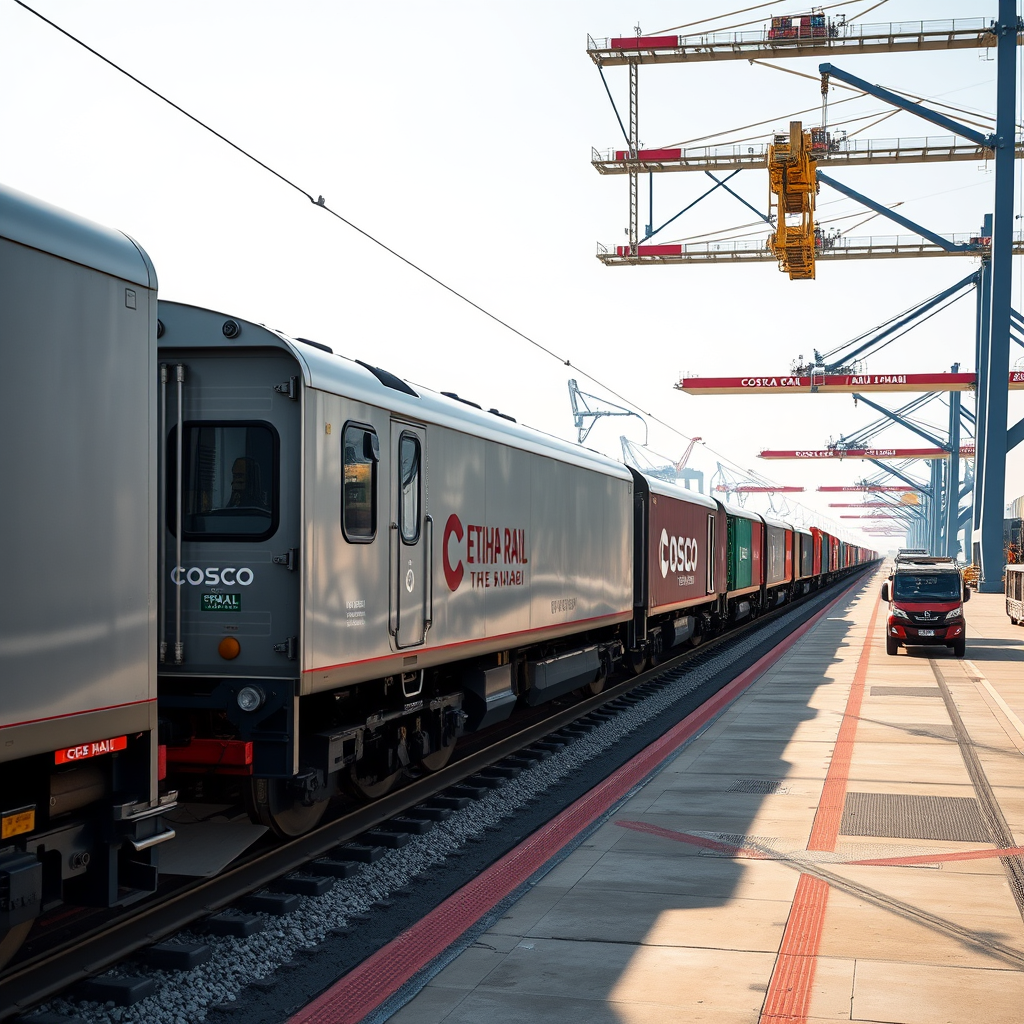
The burgeoning logistics sector in the United Arab Emirates (UAE) necessitates efficient and sustainable transportation solutions. This article examines the strategic partnership between Etihad Rail, the UAE’s national railway network operator, and COSCO Shipping Ports (CSP) Abu Dhabi, focusing on the integration of rail freight transport into Khalifa Port’s operations. This collaboration represents a significant step towards enhancing the UAE’s multimodal logistics capabilities, improving supply chain efficiency, and promoting environmental sustainability within the region’s freight transportation network. We will delve into the specifics of the Memorandum of Understanding (MoU), analyzing its implications for Khalifa Port, Etihad Rail’s expanding network, and the broader UAE economy. The discussion will also touch upon the wider context of the UAE’s ambitious railway infrastructure development and its commitment to sustainable transportation practices. The integration of rail into existing port operations, the potential for increased efficiency and reduced transit times, and the environmental benefits of shifting freight from road to rail will all be key areas of focus.
Etihad Rail and CSP Abu Dhabi: A Strategic Partnership
The MoU between Etihad Rail and CSP Abu Dhabi marks a pivotal moment in the development of the UAE’s integrated logistics network. By leveraging Etihad Rail’s extensive 900km freight rail network, which connects key logistics hubs including Khalifa Port, Jebel Ali Port, and Fujairah Port, CSP Abu Dhabi gains direct access to a broader market reach. This allows CSP to offer enhanced services to its customers, streamlining the movement of goods across the UAE. The agreement also designates Etihad Rail’s freight terminals as storage and distribution centers for CSP, enabling cargo consolidation and deconsolidation, a process that significantly optimizes efficiency and reduces handling costs. This strategic integration of rail into existing port operations offers a tangible solution to address the increasing demand for efficient freight transport within the UAE.
Enhancing Supply Chain Efficiency and Reducing Transit Times
The partnership promises significant improvements in supply chain efficiency through reduced transit times and enhanced connectivity. Traditional road-based transport often suffers from congestion, delays, and higher fuel consumption. By integrating rail, CSP Abu Dhabi can bypass these challenges, offering faster and more reliable delivery times for its clients. The use of Etihad Rail’s freight terminals for storage and distribution allows for streamlined cargo handling, reducing congestion at Khalifa Port and minimizing delays associated with container movement and transfer. This optimized flow of goods contributes directly to increased productivity and cost savings throughout the supply chain.
Sustainability and Environmental Impact
The shift towards rail freight transportation presents a considerable environmental advantage over traditional road transport. Rail transport is significantly more fuel-efficient and produces lower carbon emissions per tonne-kilometer, aligning with the UAE’s commitment to reducing its carbon footprint. By choosing rail, CSP Abu Dhabi is actively contributing to a more sustainable logistics ecosystem. This commitment is further reinforced by Etihad Rail’s ongoing efforts to enhance the network’s sustainability and operational efficiency. The integration of rail in the UAE’s supply chain represents a major leap towards a more environmentally responsible approach to freight transportation.
Expanding the UAE’s Railway Infrastructure
The Etihad Rail and CSP Abu Dhabi partnership forms part of a broader initiative to enhance the UAE’s rail infrastructure. The recent completion of the 900km national railway network and ongoing expansion projects, such as the planned rail link to the new Zayed International Airport and the collaboration with Oman to establish a cross-border rail connection, highlight the UAE’s ongoing commitment to developing a world-class transportation system. This strategic investment fosters economic growth, improves regional connectivity, and supports the country’s long-term vision for sustainable development. The increasing integration of rail into various sectors of the economy signifies a proactive approach to modernization and efficient resource management.
Conclusions
The collaboration between Etihad Rail and CSP Abu Dhabi represents a significant milestone in optimizing the UAE’s logistics infrastructure. The integration of rail freight transport into Khalifa Port’s operations through this MoU promises substantial benefits, including enhanced supply chain efficiency, reduced transit times, and a considerable decrease in the carbon footprint of freight movement. The utilization of Etihad Rail’s freight terminals for storage and distribution further streamlines the process, improving operational efficiency and cost-effectiveness. This strategic partnership showcases the UAE’s commitment to investing in modern, sustainable transportation solutions. The broader implications extend beyond Khalifa Port, impacting the entire UAE logistics ecosystem and strengthening its position as a vital regional hub. The ongoing development of the national railway network, alongside collaborations with international partners and integration with other transportation modes, points towards a future where efficient and sustainable rail transport plays a central role in the UAE’s economic growth and regional connectivity. This proactive approach is not just about improving logistics; it’s about shaping a more sustainable and prosperous future for the nation. The success of this partnership is likely to serve as a model for other port and logistics companies in the region, encouraging wider adoption of rail freight and contributing to the overall growth and sustainability of the UAE’s logistics sector.
RELATED POSTS

January 24, 2022 7:26 am
The North American rail industry is experiencing a period of...

July 20, 2012 8:42 am
Manchester Metrolink in the UK is planning to order 20...

February 4, 2025 5:45 pm
The Rail Baltica Estonian Mainline: A €400 Million Investment in...
April 12, 2023 3:20 pm
This article examines the significant contract awarded to Alstom by...

June 5, 2016 2:45 pm
The world's longest and deepest rail tunnel has officially opened...

April 22, 2025 5:07 am
The Impact of Metal Theft on German Railway Infrastructure This...