
Turkey’s High-Speed Rail: Halkali-Kapikule Line Opens

This article delves into the significant advancements in Turkey’s high-speed rail network, focusing on the nearing completion of the Halkali-Kapikule high-speed rail line and its broader implications for regional connectivity and economic development. The project, a crucial component of the Asia-Europe Railway Corridor, represents a major step towards modernizing Turkey’s infrastructure and strengthening its role as a vital transit hub between Europe and Asia. The discussion will examine the technical challenges overcome in constructing the Halkali-Ispartakule section, the economic benefits expected from the completed line, and the broader context of Turkey’s ongoing investments in high-speed rail. Furthermore, we will analyze the geopolitical significance of this project and its impact on trade and regional cooperation. The article will also briefly touch upon other significant high-speed rail initiatives underway in Turkey, highlighting the country’s commitment to upgrading its transportation infrastructure.
High-Speed Rail Development in Turkey: The Halkali-Kapikule Line
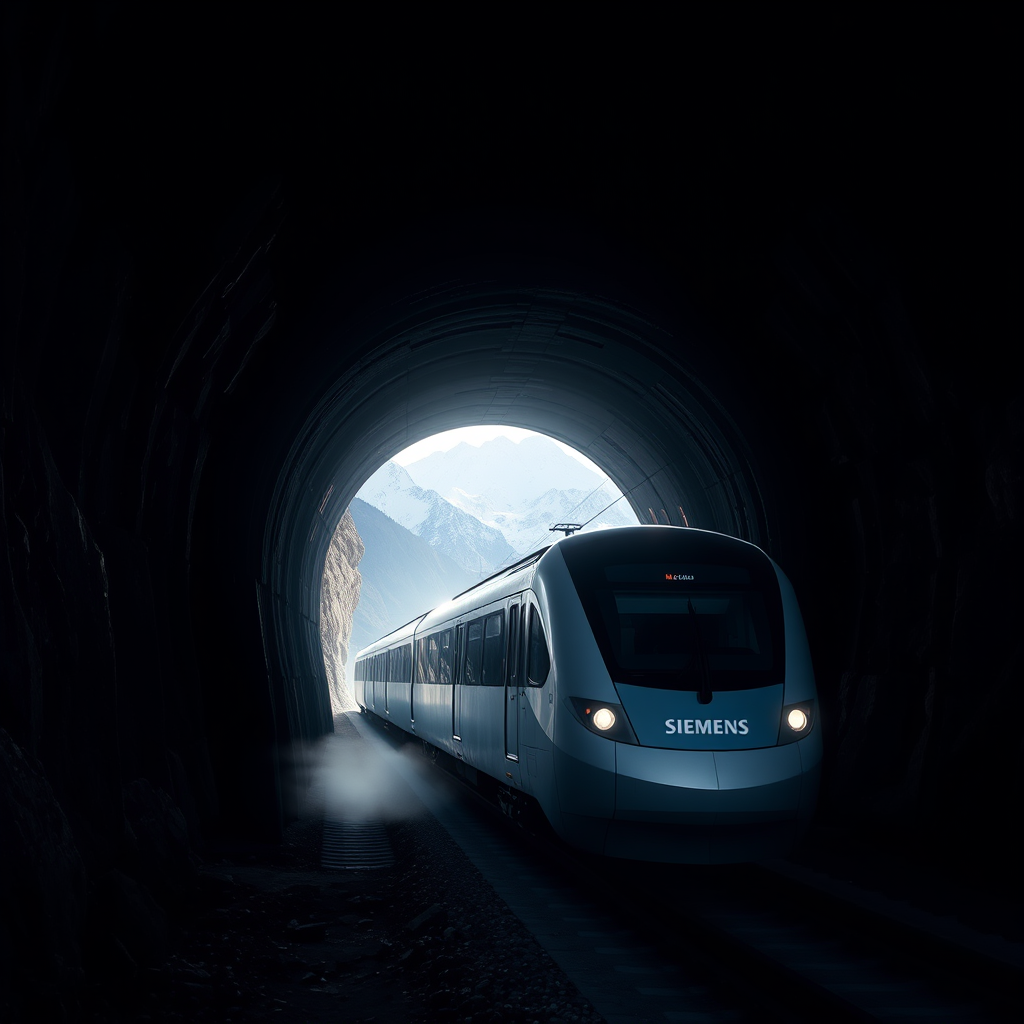
The Halkali-Kapikule high-speed rail line, spanning 229 kilometers, is a pivotal project in Turkey’s ambitious plan to enhance its rail infrastructure. This line aims to connect Istanbul to the Turkish-Bulgarian border at Kapikule, thus forming a crucial link in the Trans-European Transport Network (TEN-T). The recently commenced final phase focuses on the 9km Halkali-Ispartakule section, a significant undertaking involving the construction of a 6.2km tunnel beneath the Küçükçekmece Lake, reaching depths of up to 55 meters. This tunneling presents notable engineering challenges demanding advanced techniques and rigorous safety protocols. The project’s completion will significantly reduce travel time between Halkali and Kapikule from four hours to a mere one and a half hours, drastically improving efficiency and facilitating trade.
Engineering Challenges and Technological Solutions
The construction of the Halkali-Ispartakule tunnel represents a complex engineering feat. The subaquatic environment of the Küçükçekmece Lake necessitates the use of specialized Tunnel Boring Machines (TBMs) and robust ground stabilization techniques to ensure safety and minimize environmental impact. Precise geological surveying and advanced monitoring systems are crucial to manage potential risks associated with underwater tunneling. The project showcases Turkey’s growing capacity to tackle complex infrastructure projects, employing both local expertise and potentially international collaboration in areas like TBM technology and project management.
Economic and Geopolitical Significance
The completed Halkali-Kapikule line is poised to deliver substantial economic benefits. Reduced travel times will significantly lower transportation costs for goods and passengers, boosting trade between Turkey and Europe. The increased capacity, four times greater than the existing line, will facilitate the movement of larger volumes of freight, contributing to Turkey’s economic growth and competitiveness. From a geopolitical perspective, the line strengthens Turkey’s position as a critical transit point along the Asia-Europe Railway Corridor, fostering closer economic ties with the European Union and other regional partners. It reinforces Turkey’s commitment to its role in facilitating East-West trade and strengthens international collaborations.
Further Investments in High-Speed Rail
The Halkali-Kapikule project is just one part of a broader national strategy for high-speed rail development in Turkey. Another significant initiative connects Mersin and Gaziantep in southern Turkey, receiving substantial funding from the UK Export Finance (UKEF) credit agency. This demonstrates Turkey’s ongoing commitment to modernizing its transport network and attracting international investment in infrastructure projects. The expansion of high-speed rail networks enhances connectivity within the country, promoting regional development and economic integration.
Conclusion
The final phase of the Halkali-Kapikule high-speed rail project marks a significant milestone in Turkey’s ambitious infrastructure development plan. This project, involving the challenging construction of a major underwater tunnel, showcases Turkey’s growing engineering capabilities and its commitment to modernizing its transportation systems. The economic benefits of reduced travel times, increased capacity, and enhanced trade links are substantial, contributing to economic growth and regional development. Beyond its economic significance, the Halkali-Kapikule line holds considerable geopolitical importance, solidifying Turkey’s role as a crucial transit hub along the Asia-Europe Railway Corridor and strengthening its ties with the European Union and other regional partners. The project’s success, coupled with ongoing investments in other high-speed rail lines, signifies Turkey’s strategic commitment to enhancing its national and international connectivity and furthering its economic integration within the global market. The successful completion of these projects will not only benefit Turkey but also contribute significantly to broader regional economic development and trade facilitation throughout Europe and Asia. This ambitious infrastructure plan signals Turkey’s forward-looking approach to economic growth and its aspiration to be a key player in the global transportation network.
RELATED POSTS

October 9, 2025 3:54 pm
MTR begins full-scale construction on the **Northern Link Project**, a...
December 7, 2022 11:31 pm
The Transition to Hydrogen-Powered Rail Freight: A Case Study of...
July 25, 2020 3:14 am
Bombardier’s Contribution to India’s Regional Rapid Transit System (RRTS) This...

July 17, 2025 11:33 pm
California's high-speed rail project faces $4B funding cut, sparking political...
February 5, 2020 12:12 pm
The Impact of Public Health Crises on Cross-Border Rail Operations:...
March 3, 2025 4:44 pm
This article examines the significant contract awarded to Siemens Mobility...