
Siemens Mireo Smart: Revolutionizing Regional Rail
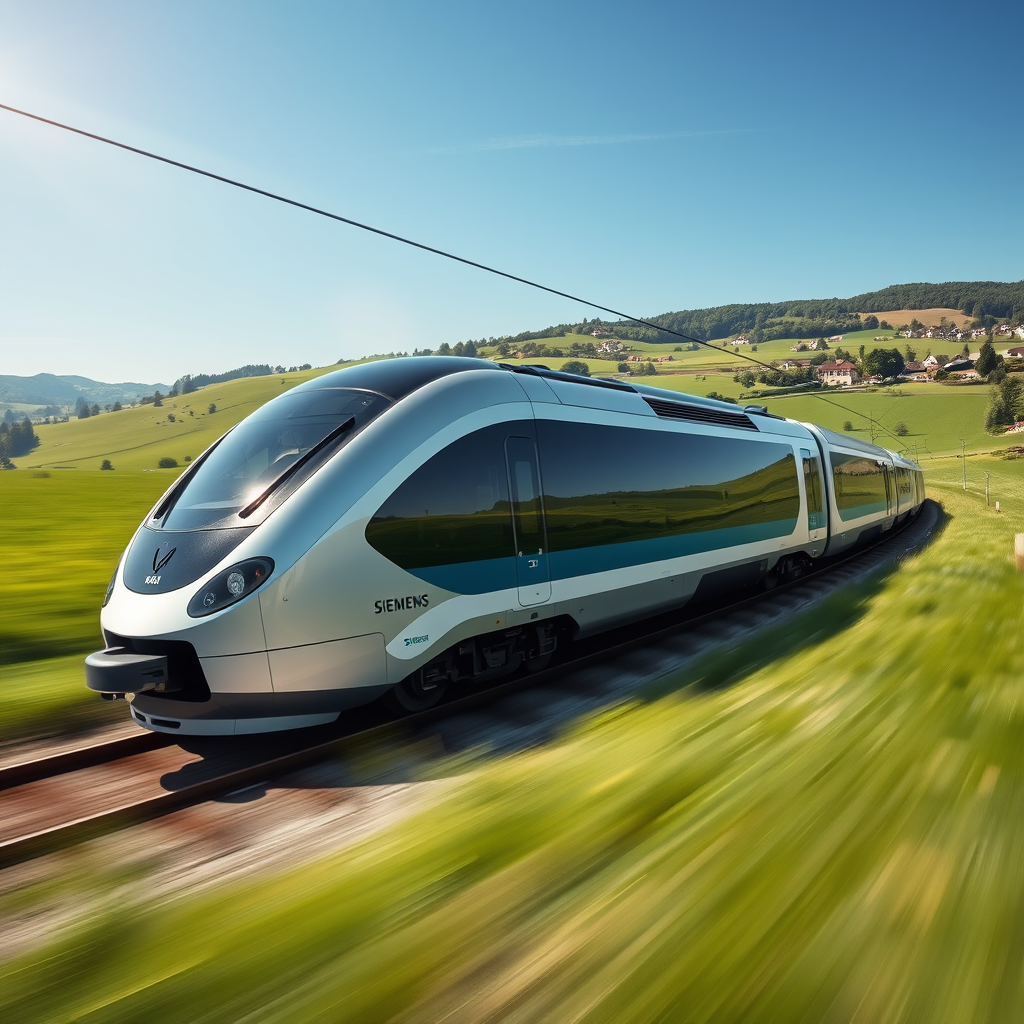
The Siemens Mireo Smart: A Revolution in Regional Rail
The global railway industry is undergoing a significant transformation, driven by the urgent need for sustainable transportation solutions and the increasing demand for efficient, reliable passenger services. This article explores the launch of the Siemens Mireo Smart electric multiple unit (EMU), a cutting-edge regional train designed to address these challenges. The Mireo Smart represents a significant advancement in rolling stock technology, combining environmentally friendly electric propulsion with a streamlined procurement process and innovative passenger amenities. We will examine the technical specifications of the Mireo Smart, its contribution to sustainable rail operations, its impact on the railway procurement process, and its potential to reshape the landscape of regional and commuter rail services. The focus will be on how this new EMU addresses the key challenges faced by railway operators today, including environmental concerns, fleet expansion needs, and the need for shorter lead times in acquiring new rolling stock.
Sustainable Rail Transportation with the Mireo Smart
The Mireo Smart’s core strength lies in its commitment to environmental sustainability. As a fully electric train, it eliminates harmful emissions associated with diesel-powered trains, contributing to a significant reduction in the carbon footprint of rail operations. This aligns perfectly with the growing global emphasis on reducing greenhouse gas emissions and promoting eco-friendly transportation modes. The use of regenerative braking further enhances its energy efficiency, recovering kinetic energy during deceleration and feeding it back into the electrical system. This reduces energy consumption and operational costs, making the Mireo Smart a financially sound and environmentally responsible choice for rail operators.
Streamlining Procurement: Faster Delivery and Operational Readiness
A major advantage of the Mireo Smart is its accelerated procurement process. Siemens Mobility claims a maximum delivery time of 18 months from order placement to operational deployment. This significantly reduces the time lag typically associated with acquiring new rolling stock, allowing rail operators to quickly expand their fleets and respond effectively to increasing passenger demand or network expansion projects. This shortened lead time is achieved through a pre-configured design, minimizing customization and accelerating the manufacturing and delivery phases. This standardized approach doesn’t compromise on flexibility; the Mireo Smart platform can be adapted to meet specific operational needs with optional features. This efficiency reduces capital expenditure and operational disruptions, making it an attractive option for financially constrained operators.
Passenger Comfort and Capacity in a Modern Design
Beyond its sustainability and procurement benefits, the Mireo Smart also boasts impressive passenger-centric features. The train offers a seating capacity of 214 passengers, complemented by ample space for 21 bicycles and two wheelchairs, catering to the diverse needs of commuters. The design prioritizes passenger comfort and accessibility, contributing to a positive riding experience that encourages increased ridership. The modern, ergonomic interior design enhances comfort and provides an appealing travel environment. These features, coupled with high reliability and availability, contribute to increased passenger satisfaction and a positive brand image for the railway operator.
Alternative Drive Systems and Future Flexibility
Siemens Mobility’s commitment to providing adaptable solutions is demonstrated by the availability of alternative drive systems for the Mireo Smart. While the initial launch focused on the electric version, the platform’s modular design allows for the integration of different propulsion technologies in the future. This adaptability ensures that the Mireo Smart remains a relevant and competitive option as railway technologies evolve, allowing operators to leverage advancements in battery technology, hydrogen fuel cells, or other emerging power sources. This forward-thinking approach safeguards the long-term value of the investment and ensures the Mireo Smart remains a cornerstone of modern regional rail networks for years to come. This long-term perspective is crucial for responsible infrastructure planning.
Conclusions
The Siemens Mireo Smart EMU represents a significant step forward in regional rail transportation. Its combination of environmental sustainability, streamlined procurement, passenger-centric design, and adaptable technology addresses many of the key challenges facing the rail industry today. By offering a pre-configured, yet flexible, electric train with a significantly shorter delivery time, Siemens Mobility has effectively responded to the growing demand for efficient and environmentally responsible rolling stock. The Mireo Smart’s 18-month procurement timeline is revolutionary, significantly reducing the lead times often associated with major rolling stock acquisitions. This shorter timeline allows for faster network expansion and operational improvements. The train’s commitment to sustainability, through its electric propulsion and regenerative braking systems, directly contributes to lower greenhouse gas emissions, aligning with global environmental goals and potentially reducing operational costs through reduced energy consumption. Furthermore, the inclusion of ample passenger space, including bicycle and wheelchair accommodations, highlights a focus on passenger comfort and accessibility. The adaptability of the Mireo Smart platform, allowing for the integration of alternative drive systems in the future, ensures its long-term relevance and value, safeguarding investment and allowing operators to adapt to future technological advancements. In conclusion, the Mireo Smart represents not just a new train, but a significant contribution towards a more sustainable, efficient, and passenger-focused future for regional rail networks worldwide.
RELATED POSTS
April 1, 2026 12:10 pm
Alstom secured a €410 million contract from CFR SA to...
April 1, 2026 8:40 pm
BNSF Railway expands Galesburg, Illinois, yard capacity, with second hump...
April 1, 2026 4:31 pm
Network Rail upgraded Berrylands station platforms for £6 million, replacing...
April 1, 2026 6:21 pm
Federal Transit Administration awarded $20.6 billion in formula-based apportionments to...