
Rail Infrastructure Optimization: Enhancing Efficiency & Safety
Optimize rail infrastructure for safety and efficiency. Advanced technologies, like PTC, and proactive maintenance strategies are key. Discover how!

Optimizing Rail Infrastructure for Enhanced Efficiency and Safety
This article delves into the crucial aspects of modernizing rail infrastructure to enhance both efficiency and safety. The current landscape of rail transport, marked by complex networks and varying technological advancements, necessitates a holistic approach to infrastructure management. This involves understanding the interplay between technological upgrades, operational protocols, and the human element in ensuring a robust and reliable rail system. We will examine key considerations such as the integration of advanced signaling systems, the importance of robust maintenance schedules, and the implementation of safety protocols to minimize risks, while also maximizing the capacity and reliability of rail networks. The analysis will address the evolving needs of passenger and freight transport, ensuring a smooth and secure journey for all users. Ultimately, the aim is to present a comprehensive framework for optimizing rail infrastructure, paving the way for more efficient and safer rail operations.
Strategic Planning and Technological Integration
Effective rail infrastructure development hinges on meticulous strategic planning. This necessitates a thorough understanding of future transportation demands, incorporating projected passenger and freight volumes. The incorporation of advanced technologies, such as integrated communication systems for real-time data exchange between train control centers and locomotives, is vital. Predictive maintenance strategies, employing sensor data and advanced analytics, allow for proactive identification and mitigation of potential equipment failures, ultimately minimizing disruptions and optimizing maintenance schedules. This intelligent approach ensures that the system is operating at peak efficiency and safety.
Maintenance and Safety Protocols for Resilient Operations
Robust maintenance protocols form the bedrock of a reliable and safe rail network. Regular inspections, comprehensive track maintenance, and proactive component replacement are critical elements to extend the lifespan of railway assets. Modern techniques, including the application of non-destructive testing methods for track evaluation, can aid in the early detection of structural issues. Implementing stringent safety protocols, incorporating comprehensive risk assessments and emergency response plans, are paramount to mitigating risks. This includes continuous training for personnel involved in operations and maintenance, thereby enhancing their proficiency and preparedness in handling unexpected situations.
Operational Efficiency and Capacity Enhancement
Optimizing operational efficiency is a crucial aspect of modern rail infrastructure. Advanced signaling systems, such as automatic train control and positive train control (PTC), play a pivotal role in enhancing safety and reducing delays. Improved scheduling algorithms and real-time tracking technologies allow for more precise scheduling and better resource allocation, significantly enhancing overall operational efficiency. This includes efficient use of maintenance resources, streamlining logistics, and reducing the risk of costly delays. Implementing innovative solutions like dynamic track capacity adjustments based on real-time traffic patterns could potentially increase capacity, especially crucial during peak hours. The Cross River Rail project, currently under development, serves as a prime example of an initiative striving towards these goals.
You might be interested in:
Last January 2019, we covered NCTD’s Positive Train Control (PTC) implementation – a great success story! Click here to read – NCTD’s PTC Success: A Rail Safety Case Study
Conclusion: A Holistic Approach to Rail Infrastructure Optimization
The optimization of rail infrastructure demands a multi-faceted approach, encompassing strategic planning, technological integration, robust maintenance protocols, and efficient operational strategies. This article has emphasized the significance of proactive maintenance strategies and advanced safety protocols in ensuring the reliability and safety of railway systems. Implementing advanced technologies, such as real-time data analytics and predictive maintenance models, significantly reduces the risk of unexpected equipment failures, leading to reduced downtime and enhanced operational efficiency. The integration of advanced signaling systems, like PTC (Positive Train Control), further enhances safety and reduces the possibility of collisions, ultimately creating a safer environment for both passengers and freight transport. Ultimately, achieving a seamless balance between efficiency and safety is fundamental for maximizing the economic and social benefits of rail transport. The case study of successful PTC implementation highlighted the positive impact of technology on safety. The Cross River Rail project showcases an ambitious undertaking, illustrating the significance of innovative planning and technological integration in modernizing rail systems. Investing in robust and intelligent infrastructure will not only enhance passenger experience but also pave the way for a more sustainable and efficient transportation system for years to come.
RELATED POSTS
August 1, 2025 2:33 am
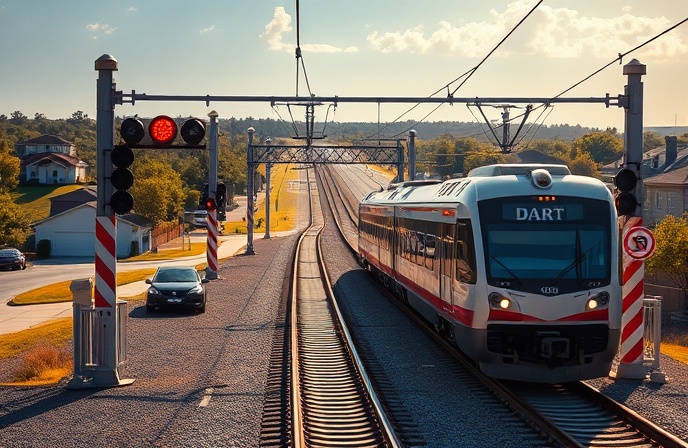
DART's Silver Line, launching soon, features quiet zones. Phased...
July 25, 2019 4:49 am
This article examines the recent successes of Stadler Rail, a...
January 4, 2019 1:18 am
Seven billion pounds! Network Rail's massive CP6 upgrade transforms Southern...
September 19, 2025 3:55 pm
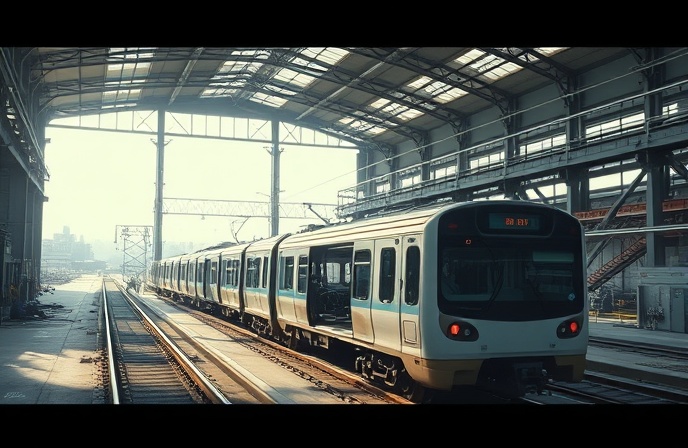
Alstom's Widnes modernization facility welcomed its first passenger train, showcasing...
April 22, 2008 12:59 pm
Mulhouse's light rail and tram-train system boosts urban renewal. ...
November 22, 2017 8:07 am
Optimize your railway infrastructure! Targeted upgrades boost safety, efficiency,...