
NCTD’s PTC Success: A Rail Safety Case Study
NCTD’s Positive Train Control (PTC) implementation: a success story! Learn how seamless interoperability across multiple operators boosted rail safety.
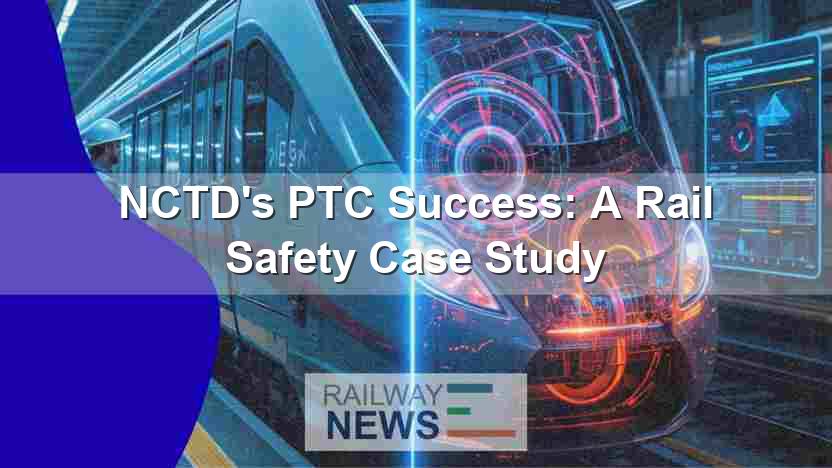
This article examines the successful implementation of the federally mandated Positive Train Control (PTC) system by the North County Transit District (NCTD) in San Diego County, California. The completion of this project marks a significant milestone in enhancing rail safety within the Los Angeles-San Diego-San Luis Obispo Rail Corridor (LOSSAN) and serves as a valuable case study for other transit agencies facing similar modernization challenges. The implementation involved overcoming significant technical and logistical hurdles, including interoperability testing with multiple railway operators. This analysis will explore the technical aspects of the PTC system, the challenges faced during implementation, the collaboration involved, and the overall impact on rail safety and operational efficiency. We will delve into the complexities of integrating a sophisticated safety system into an existing rail network, highlighting the crucial role of regulatory compliance, interoperability considerations, and the importance of effective project management. Finally, we will assess the long-term implications of this achievement for the LOSSAN corridor and the broader rail industry.
System Overview and Technical Challenges
Positive Train Control (PTC) is a sophisticated, integrated safety system designed to prevent train collisions, derailments caused by excessive speed, and unauthorized incursions onto occupied tracks. The NCTD’s implementation involved installing the PTC system across 58.5 miles of track within their San Diego County portion of the LOSSAN corridor. This required significant infrastructure upgrades, including the installation of wayside equipment (trackside transponders and communication networks), onboard equipment on locomotives and passenger cars, and the integration of sophisticated software for data management and control. One of the primary challenges was ensuring seamless interoperability with other railway operators sharing the LOSSAN corridor, including Metrolink, Amtrak, BNSF Railway (Burlington Northern Santa Fe), and Pacific Sun Railroad. This required careful coordination and rigorous testing to ensure that different PTC systems could communicate effectively and avoid conflicts.
Interoperability and Testing
Achieving interoperability between various PTC systems was a critical aspect of the project. The Federal Railroad Administration (FRA) conditionally approved NCTD’s PTC Safety Plan and system in September 2018, allowing for the commencement of interoperability testing with the aforementioned railway operators. This testing phase was crucial in validating the system’s ability to communicate and coordinate effectively across different rail networks. The successful completion of the Interoperable Revenue Service Operation (RSO) by December 27, 2018, demonstrated the system’s reliability and readiness for full-scale deployment. This collaborative effort underscores the importance of industry cooperation and standardization in deploying complex safety systems across multiple operational jurisdictions.
Regulatory Compliance and Project Management
The implementation of PTC was driven by the Rail Safety Improvement Act of 2008, mandating PTC installation on all passenger rail lines and those transporting toxic-by-inhalation materials. Meeting the FRA’s stringent requirements and deadlines necessitated meticulous project management. This involved coordinating the efforts of various stakeholders, including NCTD personnel, Herzog (the railway contractor), equipment suppliers, and regulatory agencies. Effective communication, risk management, and meticulous adherence to safety protocols were essential to the project’s success. The project’s timeline underscores the challenges associated with large-scale infrastructure projects and the need for proactive planning and execution.
Conclusion
The successful completion of the PTC implementation by NCTD represents a significant achievement in improving rail safety within the LOSSAN corridor. This project highlights the complex technical and logistical challenges associated with integrating advanced safety systems into existing rail infrastructure. The emphasis on interoperability testing and collaboration between multiple railway operators is particularly noteworthy, demonstrating the importance of industry-wide cooperation in enhancing rail safety. The successful integration of the PTC system demonstrates a commitment to improving safety for passengers and crew, fulfilling the requirements of the Rail Safety Improvement Act of 2008, and showcasing a model for other transit authorities undertaking similar modernization projects. The experience gained during this project, particularly in addressing interoperability challenges, will be invaluable for future PTC deployments across the nation. The robust testing protocols and the successful integration with multiple rail operators illustrate the potential for widespread adoption of PTC technology, significantly reducing the risks associated with rail transportation. The long-term implications for the LOSSAN corridor include enhanced operational efficiency, improved passenger confidence, and a demonstrably safer rail environment. This project serves as a testament to the benefits of proactive safety investment and the crucial role of collaboration in achieving significant improvements in rail transportation safety.

Railway infrastructure, rolling stock and transport technologies specialist focused on global rail industry developments, high-speed rail systems, signaling technologies and freight transportation. Covering railway investments, public transport modernization, rail operations and international mobility projects across Europe, Asia and North America.
RELATED POSTS

October 1, 2026 7:09 am
United States regulators confirmed a September 30 deadline for the...

October 1, 2026 12:13 am
Illinois approved $1.5 billion annually for the Northern Illinois Transit...

October 4, 2026 5:14 pm
Alstom secured a CA$4.7 billion order from VIA Rail Canada...

October 1, 2026 6:10 am
Amtrak approved a System Expansion Committee on July 30 to...
October 1, 2026 3:12 am
Greenbrier confirmed Brian Comstock as new president and CEO effective...

October 6, 2026 2:14 am
Union Pacific launched export rail shipments with Ferromex to deliver...