
Moscow’s CSKA Metro: Optimizing Global Rail Infrastructure
Optimize railway infrastructure for a smoother, safer, and more efficient passenger experience. Modern track maintenance, advanced signaling, and fleet renewal are key. Discover how!

Optimizing Railway Infrastructure for Enhanced Efficiency and Passenger Experience
This article delves into the crucial aspects of optimizing railway infrastructure to enhance efficiency and elevate the passenger experience. Modernizing rail networks requires a multifaceted approach, encompassing track maintenance, signal system upgrades, fleet renewal, and the integration of advanced technologies. This examination will highlight the importance of these components and how they contribute to a superior railway system. From improved safety protocols to streamlined operations, the focus will be on tangible improvements that directly impact both the operational efficiency of the railway and the satisfaction of its users. This exploration considers the challenges and opportunities inherent in modernizing rail systems, offering insights into best practices and future trends. This will be examined by looking at specific case studies and discussing the overall economic impact of investments in rail infrastructure.
Track Maintenance and Renewal: The Foundation of Reliable Operations
Maintaining the integrity of railway tracks is paramount for ensuring the smooth and reliable operation of the entire system. Regular inspections, proactive maintenance schedules, and the use of advanced technologies for track monitoring are critical for preventing derailments, delays, and service disruptions. Investment in modern track maintenance equipment, including advanced sensors and automated systems for identifying potential problems, is crucial for minimizing downtime and reducing the risk of accidents. Effective track maintenance plays a significant role in passenger comfort and safety, reducing the severity of vibrations and ensuring a smoother ride. This aspect is particularly important in urban settings, where rail infrastructure is often tightly integrated with other urban systems and requires meticulous maintenance.
Signal Systems and Automation: Enhancing Safety and Efficiency
Modernizing signal systems is essential for improving safety and enhancing operational efficiency. The transition to advanced signaling technologies, such as CBTC (Communication-Based Train Control) systems, allows for more precise train control, reducing the risk of collisions and delays. Automated signal systems also optimize train scheduling and reduce the need for manual intervention, leading to more efficient train operations. The integration of these technologies into existing infrastructure should be carefully planned and implemented, considering the potential disruptions and the required training for staff.
Fleet Renewal and Technological Integration: Optimizing Capacity and Performance
Updating the railway fleet with modern, high-capacity locomotives and passenger cars is critical for improving operational efficiency and enhancing passenger comfort. The introduction of electric locomotives reduces environmental impact while improving overall performance. Furthermore, the integration of advanced technologies, such as automatic train control (ATC) and precise GPS tracking for locomotives, allows for more accurate scheduling and reduced delays. This aspect directly influences the passenger experience, especially on longer routes.
The CSKA Metro Station Moscow Case Study and wider context of railway modernization
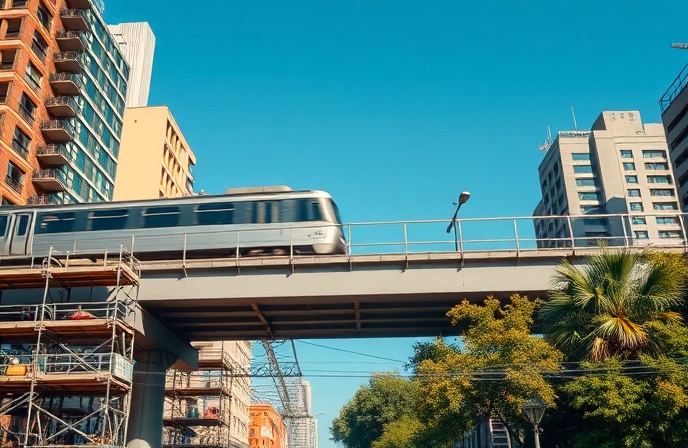
The CSKA metro station Moscow exemplifies the benefits of modernizing rail infrastructure. Improvements in station design and the integration of technological advancements lead to a superior passenger experience. By leveraging smart solutions, Moscow’s metro is becoming a model for other rail systems, demonstrating the effectiveness of integrating technology for optimized efficiency and passenger comfort. Similar improvements are observed in major rail hubs worldwide. Modernization efforts not only enhance safety and efficiency but also create more attractive and inviting environments for travelers, supporting tourism and commerce. This is especially true in major cities where infrastructure development has a direct impact on the city’s economy.
Conclusion: Investing in the Future of Rail Infrastructure
Optimizing railway infrastructure is crucial for creating a more efficient, safer, and enjoyable passenger experience. Modernizing tracks, signals, and fleets, along with integrating advanced technologies, will not only reduce operational costs and increase efficiency but also enhance safety and improve the overall passenger experience. The examples of track maintenance, advanced signaling systems, fleet renewal, and the specific case of the CSKA metro station Moscow demonstrate the positive impact of investments in rail infrastructure. This is particularly important for major transportation hubs, where investments have a direct and measurable impact on economic activity, quality of life, and tourism. The continued investment in railway infrastructure represents a vital commitment to the future of sustainable, efficient, and well-managed transportation systems. The interplay between these elements dictates the success of a modern railway system, contributing to the economic growth of nations and improving the quality of life for their citizens. Investing in railway infrastructure is not merely an investment in transportation, but an investment in the future.
You might be interested in:
Last November 2018, we published an article about Moldova’s railway modernization with 12 new GE locomotives. Click here to read – Moldova’s Railway Modernization: 12 GE Locomotives Boost Efficiency
RELATED POSTS

June 2, 2017 3:34 pm
Alstom supplied the traction system for the entire Chengdu metro...
September 26, 2023 5:28 am
UIC Leaflet 584 defines the standardized dimensions for steps and...
June 25, 2022 12:24 pm
This article examines the significant contract extension awarded to Stantec...
August 30, 2020 3:02 pm
This article explores the construction of a new railway station...
November 6, 2009 3:06 am
Bangkok's Metro Blue Line, a 20km underground railway system, opened...
October 3, 2018 7:34 am
Riyadh Metro's massive $2.9B O&M contract showcases Ansaldo STS's expertise....