
Moldova’s Railway Modernization: 12 GE Locomotives Boost Efficiency
Moldova’s CFM just upgraded with 12 powerful GE Transportation Evolution Series locomotives! Discover how these TE33AC engines boost efficiency and sustainability.
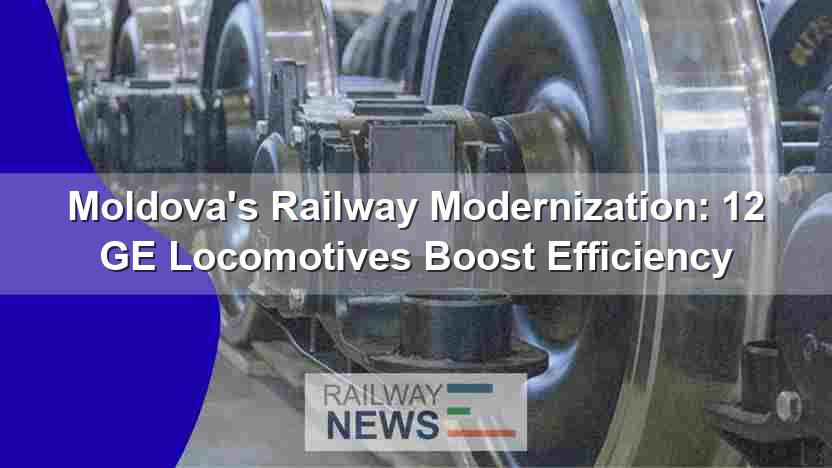
This article explores the significant acquisition of twelve GE Transportation Evolution Series locomotives by the Moldovan Railways (CFM). This purchase marks a pivotal moment in CFM’s modernization strategy, aiming to enhance freight and passenger transport efficiency while addressing environmental concerns. The selection of GE’s TE33AC model, specifically engineered for the challenging operational conditions of the Commonwealth of Independent States (CIS) region, underscores the importance of robust and reliable rolling stock in supporting Moldova’s economic development. We will examine the technical specifications of the locomotives, the economic and environmental benefits anticipated from this upgrade, the financing mechanisms involved, and the broader implications for the Moldovan railway network and the regional railway landscape. The analysis will highlight the role of international financial institutions in supporting such infrastructure projects and the potential for similar upgrades across the CIS region.
The TE33AC Locomotive: A Technical Overview
The heart of this acquisition is the GE Transportation TE33AC locomotive. This model boasts a powerful 12-cylinder, 4000-horsepower Evolution Series engine, meeting stringent EU Stage IIIA emission standards. This signifies a considerable improvement over CFM’s existing fleet, resulting in reduced fuel consumption, lower emissions, and enhanced operational efficiency. The increased horsepower allows for heavier loads to be hauled with a single locomotive, replacing the need for double-heading (using two locomotives to pull a single train), resulting in substantial cost savings. This advanced technology translates to improved reliability, reduced maintenance intervals, and a longer operational lifespan, contributing significantly to the long-term economic viability of CFM’s operations.
Economic and Environmental Benefits
The acquisition offers significant economic benefits beyond fuel savings. The enhanced hauling capacity reduces operational costs, improves schedule adherence, and increases overall freight throughput. The reduced maintenance intervals translate directly into lower operational downtime and maintenance expenses. Additionally, the environmental impact is noteworthy. The EU Stage IIIA emission compliance contributes to reduced air pollution, aligning with global efforts to decrease greenhouse gas emissions from the transport sector. This commitment to environmental sustainability positions CFM as a responsible operator, enhancing its international reputation. The reduced fuel consumption also contributes to improved energy security for Moldova.
Financing and International Collaboration
The project’s financing highlights the collaborative efforts of international organizations. The European Bank for Reconstruction and Development (EBRD), the European Investment Bank (EIB), and the European Union (EU) have provided the necessary funds for this modernization initiative. This tripartite funding underscores the strategic importance of upgrading Moldova’s railway infrastructure and its contribution to broader regional economic development. The involvement of these institutions reflects a confidence in the economic and environmental viability of the project and emphasizes the international community’s commitment to supporting sustainable development in Moldova.
Broader Implications and Regional Impact
This acquisition transcends the immediate benefits for CFM. It represents a significant step towards modernizing Moldova’s railway network, which is crucial for the efficient movement of goods and passengers. The improved reliability and efficiency contribute to Moldova’s competitiveness in regional and international trade. The success of this project may also serve as a model for other countries in the CIS region, encouraging similar upgrades and facilitating economic growth through improved transport infrastructure. The increased capacity and reduced operational costs stimulate economic activity and contribute to regional connectivity.
Conclusions
The acquisition of twelve GE Transportation Evolution Series locomotives by CFM represents a crucial milestone in Moldova’s efforts to modernize its railway infrastructure. The selection of the TE33AC locomotive, with its powerful engine and EU Stage IIIA emission compliance, delivers substantial economic and environmental benefits. The cost savings from reduced fuel consumption and increased hauling capacity, coupled with lower maintenance costs and reduced emissions, create a compelling case for the investment. The financial support from the EBRD, EIB, and EU underscores the international community’s commitment to Moldova’s development and highlights the importance of this modernization project in regional economic integration. The project’s success has implications that extend beyond Moldova’s borders, serving as a potential model for similar upgrades in the CIS region, fostering economic growth, and enhancing regional connectivity. The overall impact points to a significant improvement in the efficiency and sustainability of the Moldovan railway system, with positive ramifications for the country’s economy and environment.

Railway infrastructure, rolling stock and transport technologies specialist focused on global rail industry developments, high-speed rail systems, signaling technologies and freight transportation. Covering railway investments, public transport modernization, rail operations and international mobility projects across Europe, Asia and North America.
RELATED POSTS

September 5, 2026 4:19 pm
CPK launched formal tender talks with four consortia to design...
September 19, 2026 11:19 am
China launched an experimental 1.11-tonne maglev test sled to 800...
September 5, 2026 6:17 pm
Universal Signalling won a deal to install its U-Cross system...
September 7, 2026 11:16 pm
China Railway Tunnel Group completed the 11.3-km underwater Yangtze tunnel...
September 6, 2026 12:20 pm
Indian Railways ordered a probe after a fire destroyed 2...
September 6, 2026 8:17 am
DB InfraGO reopened the Nuremberg-Regensburg line in Bavaria on 31...