
Kevin Speed: Open Access Revolutionizes French Rail
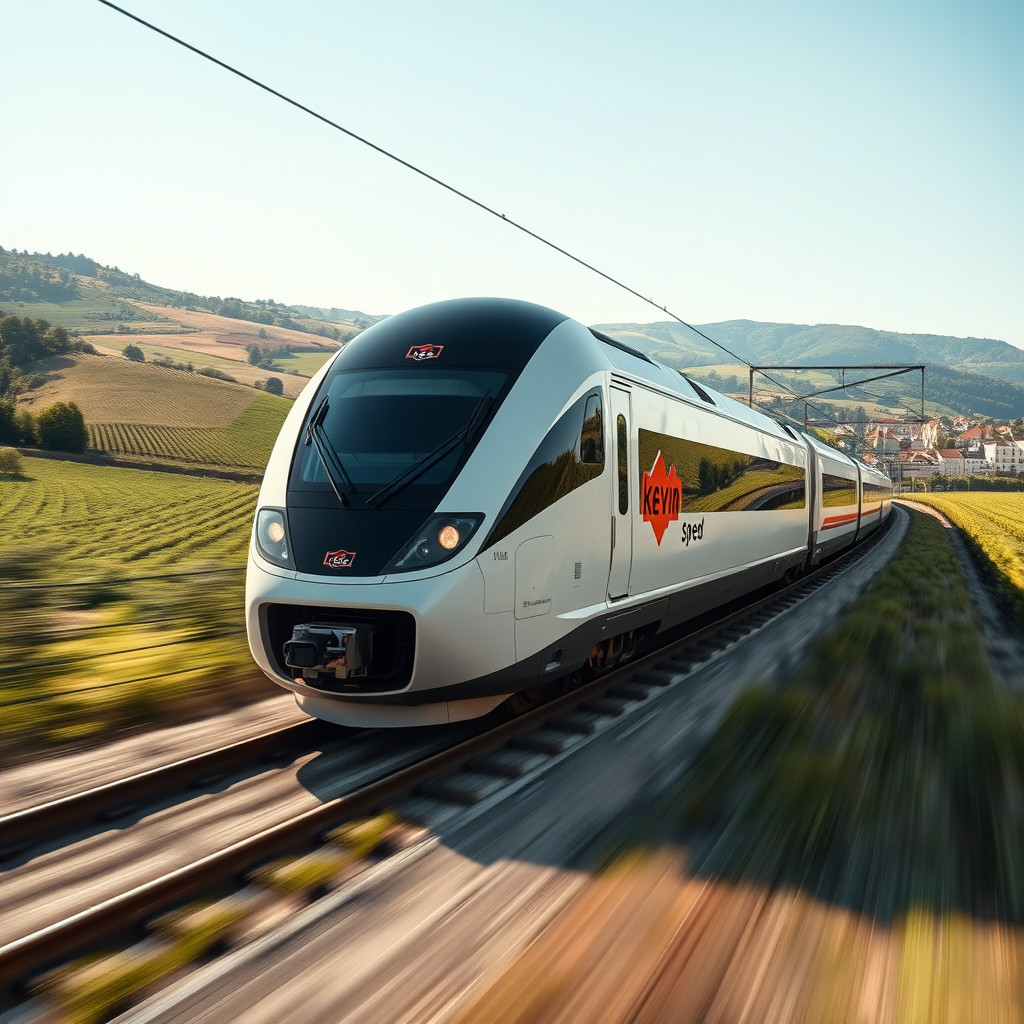
The Approval of Kevin Speed’s Framework Agreements: A Step Towards Open Access in the French Rail Network
This article examines the recent approval by the Autorité de Régulation des Transports (ART) (French Transport Regulatory Authority) of framework agreements between Kevin Speed, a new open-access rail operator, and SNCF Réseau (the French national rail infrastructure manager). This approval marks a significant milestone in the development of competition within the French railway market and the expansion of open-access operations. The agreements, signed in March 2024, are crucial for Kevin Speed’s planned launch of high-speed rail services in 2026, initially connecting Paris with Lille, Strasbourg, and Lyon. The ART’s scrutiny of these agreements was essential to ensure they uphold the principles of fair competition and equitable access to the French rail infrastructure. This analysis will delve into the ART’s assessment process, the key concerns addressed, and the broader implications for the future of the French rail sector and the potential for enhanced competition and improved services for passengers.
ART’s Role in Ensuring Fair Competition
The ART plays a pivotal role in regulating the French rail network, ensuring fair competition amongst various operators. Its mandate includes safeguarding the open access principle, guaranteeing all rail companies have equitable access to the infrastructure. The review of the Kevin Speed and SNCF Réseau agreements focused on whether these contracts would hinder the access of other rail operators to the network. The ART’s thorough analysis included a clause-by-clause examination, evaluating their compatibility with the principles of transparent and equitable network access. Any potential restrictions on capacity allocation or discriminatory pricing models would have raised significant concerns. The approval demonstrates the ART’s commitment to fostering a competitive environment within the railway industry.
Addressing Key Concerns: Capacity Allocation and Transparency
A primary concern for both SNCF Réseau and the ART was the efficient management of infrastructure capacity. The integration of Kevin Speed’s services requires careful planning to avoid congestion and maintain the overall performance of the network. To mitigate this, the ART recommended that Kevin Speed’s proposed route and service plans be aligned with SNCF Réseau’s five-year capacity planning process. This ensures effective capacity allocation, preventing conflicts and allowing for smooth integration of new services. Transparency was another major factor. The ART emphasized the importance of maintaining transparent and publicly accessible information regarding network access conditions, capacity allocation, and pricing structures. This ensures a level playing field for all rail operators, promoting healthy competition and preventing unfair advantages.
The Implications of Open Access for Passengers and the Rail Industry
The successful negotiation and ART approval of these framework agreements pave the way for increased competition in the French high-speed rail market. Kevin Speed’s planned services promise to introduce low-cost, high-speed options connecting rural areas with major cities. This expansion of rail connectivity could improve accessibility for passengers in underserved regions, offering a viable alternative to road travel and promoting sustainable transport. Furthermore, this open-access model could stimulate innovation and efficiency within the rail industry, as operators strive to attract passengers through competitive pricing and service quality. The ART’s involvement in this process ensures that competition benefits consumers without compromising the integrity or efficiency of the national rail network.
Conclusion
The ART’s approval of the framework agreements between Kevin Speed and SNCF Réseau represents a crucial step towards a more competitive and dynamic French rail market. The ART’s thorough review and recommendations highlight the importance of balancing the introduction of new operators with the need to maintain efficient and equitable access to the national rail infrastructure. By carefully considering capacity allocation, transparency, and fair competition, the ART has helped pave the way for a potential increase in passenger choice, improved service quality, and a more sustainable transport system. The successful implementation of Kevin Speed’s services will be a key indicator of the effectiveness of this open-access model, setting a precedent for future entrants to the French rail market. The emphasis on transparency, the integration of Kevin Speed’s plans with SNCF Réseau’s capacity planning, and the ART’s ongoing oversight will be crucial factors in determining the long-term success of this initiative. This case study could serve as a valuable model for other countries seeking to increase competition and efficiency in their rail systems, highlighting the importance of a robust regulatory framework to manage the complexities of open access while promoting innovation and delivering improved services for the public.
RELATED POSTS

March 8, 2025 12:21 pm
A Global Transportation Crisis: The Ripple Effect of a Software...

October 23, 2023 12:40 pm
The Metropolitan Transportation Authority (MTA)’s Five-Year Financial Plan: A Balancing...
August 25, 2023 11:41 pm
This article examines the recent £350,000 refurbishment of the Neville...

February 21, 2017 5:11 am
Siemens is to supply signaling technology for the first two...

November 5, 2017 11:41 pm
Alstom will supply three more Coradia Nordic trains to Östgötatrafiken...
September 21, 2023 11:43 am
This article delves into a significant agreement within the European...