
Digital Railcard: Enhancing Global Rail Safety & Efficiency
Revolutionize railway operations with digitalization! Embrace real-time data, predictive maintenance, and enhanced passenger experience – discover how.

The Future of Railway Operations: Embracing Digitalization and Enhanced Safety
The railway industry is undergoing a profound transformation, driven by technological advancements and the increasing need for safer, more efficient, and sustainable operations. This article delves into the key aspects of this evolution, focusing on the integration of digital solutions and the resulting improvements in railway safety. From optimizing maintenance schedules to enhancing passenger experience, digital technologies are reshaping the entire railway landscape. This article will examine the impact of digitalization on various aspects of railway operations, including infrastructure management, train control, and passenger services. It will also explore the potential benefits and challenges associated with this transformation, ultimately aiming to highlight the crucial role of digital railcard implementation in the future of railway travel.
The Digitalization of Railway Infrastructure
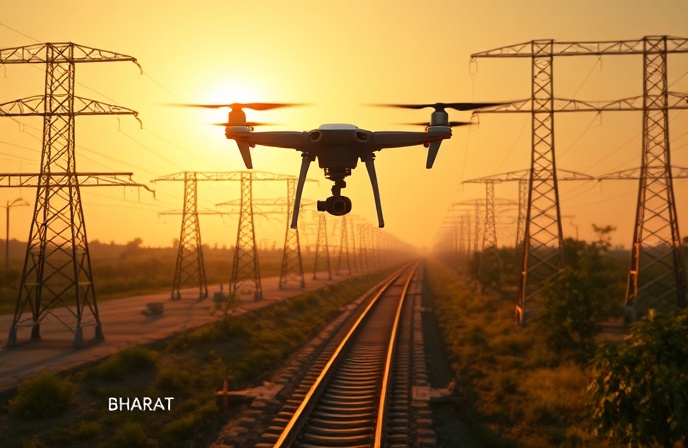
Digitalization is revolutionizing railway infrastructure management. Real-time data collection from sensors embedded in track, signaling systems, and bridges allows for proactive maintenance planning. Predictive maintenance models, analyzing historical data and sensor readings, can anticipate potential equipment failures, enabling preemptive repairs and minimizing costly disruptions. This approach reduces downtime, improves operational efficiency, and enhances overall safety. Precision railway operations are becoming a key driver of efficiency.
Enhanced Train Control and Communication Systems
Advanced communication technologies, including wireless and satellite networks, are enabling real-time train tracking and control. This technology significantly improves safety by providing accurate train location information to dispatchers. Communication systems can rapidly disseminate critical information during emergencies, allowing for immediate action and minimizing potential risks. Advanced signaling systems (e.g., CBTC, ATCS) also contribute to improved safety and reduced delays through precise train positioning and optimized scheduling. This translates into improved passenger experience and reduced operational costs.
Improving Passenger Services and the Digital Railcard
Integrating digital technologies into passenger services is transforming the customer experience. Mobile applications provide real-time updates on train schedules, track disruptions, and platform information. This allows passengers to make informed decisions about their journeys, reducing stress and improving overall satisfaction. Furthermore, a robust digital railcard system offers several advantages. It allows for seamless integration with other transportation services and can include features such as loyalty programs and personalized travel recommendations. This offers travellers unprecedented convenience and flexibility. A digital platform can support personalized travel itineraries and real-time ticket purchasing and management.
Conclusion: Shaping a Sustainable and Secure Railway Future
The integration of digital technologies into railway operations presents a transformative opportunity to enhance safety, efficiency, and sustainability. By leveraging real-time data analysis, predictive maintenance, and advanced communication systems, railway operators can optimize their resources and improve the overall passenger experience. This approach directly contributes to reducing environmental impact through optimized fuel consumption, reduced emissions and smoother operations. The implementation of digital railcard systems promises to streamline the ticketing process, enhance passenger convenience, and potentially revolutionize the entire passenger experience. A seamless and reliable railway system relies on a combination of technological innovation and a customer-centric approach to operations.
The future of the railway industry hinges on embracing digital solutions, not just as tools, but as integral components of a modern, interconnected, and safe system. From proactively managing infrastructure to enhancing passenger services, digital technologies are key in ensuring a smooth, efficient, and sustainable railway experience. By fostering a culture of collaboration and continuous innovation, the industry can successfully navigate the challenges and reap the rewards of this technological revolution. This evolution from conventional to digital railcard technology further establishes the trend for digital innovation within the railway industry and reinforces the potential of technology to shape passenger travel for a new era.
You might be interested in:
Last November 2018, we published an article about Network Rail’s new faster, safer isolation technology for rail maintenance. Click here to read – Network Rail: Safer, Faster Rail Isolation Tech
RELATED POSTS
March 12, 2023 3:02 am
The Expansion of Dublin’s DART+ Network: A Focus on the...
July 21, 2019 10:21 pm
Smart Railway Initiatives in Saudi Arabia: A Huawei Partnership This...
March 21, 2022 12:12 am
This article delves into the significant Levenmouth Rail Link project...
October 17, 2025 3:54 pm
Skylark Drones and Sensonic partner to revolutionize **railway infrastructure monitoring**,...

August 6, 2015 11:33 am
Kenya, Uganda and Rwanda signed a ternate agreement to “fast-track”...
April 18, 2019 2:26 pm
PATCO's $194 million rail car overhaul: a rolling stock modernization...