
Network Rail: Safer, Faster Rail Isolation Tech
Network Rail’s new faster, safer isolation technology revolutionizes rail maintenance, boosting safety and efficiency. Discover how this game-changing system improves worker safety and passenger reliability!
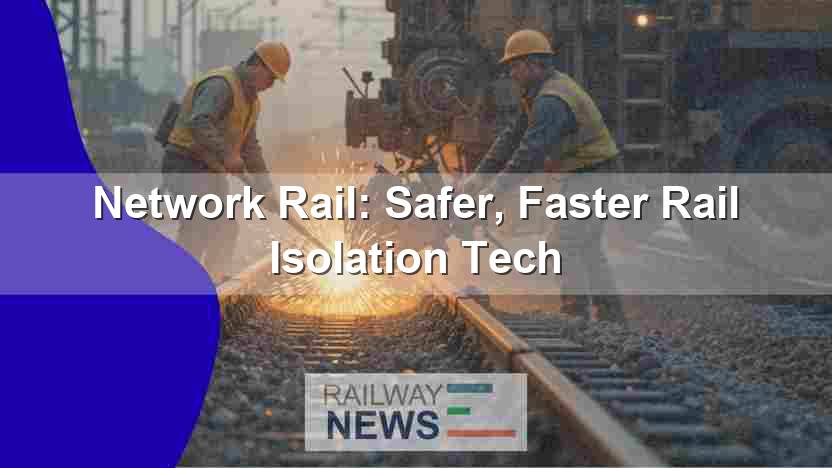
This article explores Network Rail’s (NR) initiative to deploy a new “faster, safer isolations” technology across its South Western Railway route. This technology represents a significant advancement in rail maintenance, addressing critical safety concerns and boosting operational efficiency. The current manual strapping method, while functional, presents substantial safety hazards and limits the available time window for crucial maintenance tasks. The introduction of this innovative solution promises to drastically improve worker safety, increase maintenance productivity, and ultimately enhance the reliability of rail services for passengers. We will examine the technology itself, its safety implications, its impact on operational efficiency, the rollout plan, and the overall benefits for Network Rail and the travelling public.
Improving Safety Through Technological Advancement
The core issue addressed by the new technology is the inherent danger associated with the traditional manual strapping method used to isolate sections of railway lines before maintenance can commence. This method involves physically manipulating switches and isolators, often in close proximity to live electrical components. The inherent risk of electric shock and other injuries leads to a significant number of reported injuries annually amongst Network Rail staff. The new technology removes the need for this dangerous manual intervention, reducing the potential for human error and the risk of worker injury. By automating the isolation process, the system minimizes the time staff spend near live rails, thereby significantly enhancing safety.
Enhancing Operational Efficiency and Maintenance Productivity
Beyond the significant safety improvements, the new system offers substantial gains in operational efficiency. The manual strapping process is incredibly time-consuming. It currently consumes approximately 2,500 worker-hours annually on the South Western Railway route alone. The faster, safer isolation technology dramatically reduces this time, freeing up an estimated 1,600 worker-hours annually for other vital maintenance tasks. This increased efficiency allows for more extensive maintenance work to be completed within the limited overnight maintenance window, improving the overall reliability and performance of the railway infrastructure. The increased productivity translates directly into better service for passengers.
Rollout Strategy and Future Expansion
Network Rail’s plan for implementing the new technology is phased. The initial rollout involves the installation of over 450 devices by March, with a further 400 to be installed over the subsequent three years. This gradual deployment allows for thorough testing and allows Network Rail to adapt its implementation strategy based on the initial experience. The Guildford area served as a successful trial location, providing valuable data and operational insights before large-scale deployment. This phased approach minimizes disruption and ensures a smooth transition to the new system.
Positive Impact on Passengers and Network Rail
The implications of this technological upgrade extend far beyond the immediate benefits for Network Rail staff. By increasing the efficiency of maintenance operations, the technology contributes directly to improved reliability and punctuality for passengers. More effective maintenance translates to fewer delays, cancellations, and disruptions to service. From a broader perspective, the successful implementation of this technology sets a precedent for wider adoption across the national rail network, potentially leading to significant improvements in safety and efficiency across the board. The improved safety record also reduces costs associated with worker compensation claims and lost productivity.
Conclusions
Network Rail’s initiative to roll out faster, safer isolation technology marks a significant step forward in rail maintenance practices. The technology addresses the critical safety concerns associated with the traditional manual strapping method, significantly reducing the risk of injuries among railway workers. The substantial time savings resulting from the automation of the isolation process allow for enhanced operational efficiency, enabling Network Rail to conduct more extensive maintenance within the limited overnight window. This increased productivity translates to more reliable services and improved passenger experience. The phased rollout strategy, with its successful trial in Guildford, ensures a smooth and effective implementation across the South Western Railway route and beyond. The overall impact of this investment is a safer, more efficient, and more reliable railway network, benefiting both Network Rail employees and the millions of passengers who rely on its services daily. The success of this project highlights the vital role of technological innovation in enhancing safety and efficiency within the rail industry, setting a positive example for other railway operators globally. This proactive investment in safety and technology underscores Network Rail’s commitment to continuous improvement and a steadfast focus on delivering a reliable and safe rail service to the public.

Railway infrastructure, rolling stock and transport technologies specialist focused on global rail industry developments, high-speed rail systems, signaling technologies and freight transportation. Covering railway investments, public transport modernization, rail operations and international mobility projects across Europe, Asia and North America.
RELATED POSTS
September 6, 2026 5:19 am
Hitachi delivered Taiwan's first N700ST high-speed train from Japan in...

September 5, 2026 4:19 pm
CPK launched formal tender talks with four consortia to design...

September 5, 2026 7:14 pm
HS2 Ltd signed renegotiated civils contracts with EKFB and Align...

September 6, 2026 4:12 am
Alstom delivered the first of 100 new G Class trams...
September 6, 2026 1:17 am
Hitachi Toshiba Supreme Consortium confirmed the first of 12 N700ST...
September 6, 2026 6:17 am
Hungary ordered a national ban on most freight trains from...