
Coradia Polyvalent: Rail Innovation & Sustainability
Upgrade your railway system with modern rolling stock and infrastructure. Discover how integrated advancements boost efficiency and passenger satisfaction!

Optimizing Railway Systems: A Focus on Modern Rolling Stock and Infrastructure
The global railway industry is undergoing a period of significant transformation, driven by the need for increased efficiency, enhanced passenger experience, and sustainable practices. This article delves into the key aspects of optimizing railway systems, focusing on the critical interplay between modern rolling stock (trains) and supporting infrastructure. We will explore the technological advancements in train design, the importance of infrastructure upgrades, and the integration of these elements to achieve a more efficient, reliable, and environmentally friendly railway network. The discussion will highlight the benefits of strategic investments in both rolling stock and infrastructure, emphasizing the synergistic relationship between these two vital components. We will consider the challenges inherent in modernization, including the financial implications and the logistical complexities of upgrading existing networks while maintaining operational continuity. Finally, we’ll analyze the impact of these improvements on overall network performance, passenger satisfaction, and the long-term sustainability of rail transportation.
The Evolution of Rolling Stock: Performance and Passenger Comfort
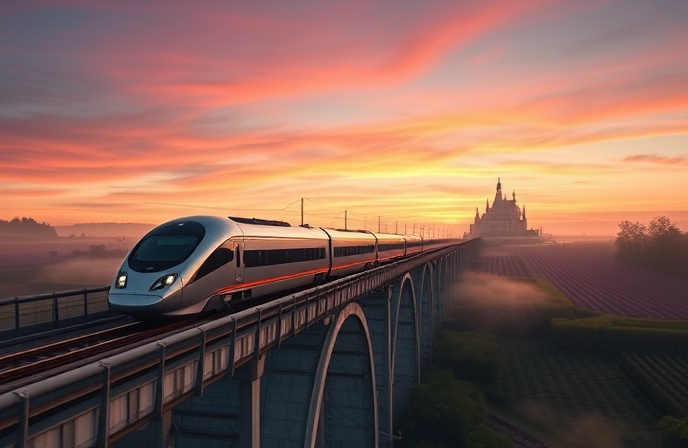
Modern rolling stock represents a significant departure from its predecessors. Advancements in materials science, engineering, and digital technology have resulted in trains that are lighter, faster, more energy-efficient, and significantly more comfortable for passengers. The use of lightweight composite materials reduces weight, leading to lower energy consumption and improved acceleration. Advanced braking systems enhance safety and reduce stopping distances. Furthermore, the incorporation of sophisticated onboard diagnostics allows for predictive maintenance, minimizing downtime and operational disruptions. The integration of passenger-centric features, such as comfortable seating, ample legroom, reliable Wi-Fi connectivity, and accessible designs, is paramount in enhancing the overall passenger experience and fostering increased ridership.
Infrastructure Upgrades: The Foundation for Efficient Operations
Investing in robust and modern railway infrastructure is equally crucial for optimizing the entire system. This involves upgrading signaling systems to improve train capacity and reduce delays. Modern signaling technologies, such as ETCS (European Train Control System) and CBTC (Communication-Based Train Control), enable higher train frequencies and speeds while ensuring optimal safety. Track maintenance and renewal are essential to guarantee the smooth and safe operation of trains. Regular inspection and timely repairs of tracks, switches, and crossings minimize delays and prevent derailments. Furthermore, improving station facilities, including accessibility features, passenger information systems, and enhanced security measures, enhances the overall passenger journey.
Integration and Interoperability: A Holistic Approach
The true potential of optimized railway systems is realized when modern rolling stock and upgraded infrastructure are seamlessly integrated. Interoperability, the ability of different systems to work together efficiently, is a critical factor. This necessitates standardization of signaling systems, communication protocols, and data exchange formats. Effective integration allows for improved scheduling, optimized train operations, and enhanced real-time monitoring of the entire network. This holistic approach leads to increased efficiency, reduced operational costs, and improved overall network performance.
Sustainable Practices and Future Trends
Sustainability is increasingly becoming a central focus in railway operations. The adoption of electric trains, powered by renewable energy sources, significantly reduces carbon emissions. The development of lightweight trains and energy-efficient technologies further contributes to reduced environmental impact. Furthermore, incorporating sustainable materials in the construction of rolling stock and infrastructure minimizes the environmental footprint of the railway industry. Future trends include the increasing use of automation, artificial intelligence (AI), and big data analytics for optimizing network operations, improving safety, and enhancing passenger experience. The development of high-speed rail networks and the integration of multimodal transportation systems also play a key role in shaping the future of railway systems. The Coradia Polyvalent train, for example, represents a significant step forward in this evolution, offering a blend of performance, efficiency and sustainability.
You might be interested in:
Last May 2019, we published an article about Florida’s high-speed rail expansion. Click here to read – Virgin Trains to Orlando: $4B Rail Expansion
Conclusions
Optimizing railway systems requires a comprehensive and integrated approach that considers both rolling stock and infrastructure. Modernizing rolling stock through the adoption of lightweight materials, advanced technologies, and passenger-centric designs is crucial for enhancing efficiency, safety, and passenger comfort. Simultaneously, significant investments in infrastructure upgrades, including signaling systems, track maintenance, and station facilities, are essential to support increased train frequencies, higher speeds, and improved operational reliability. The seamless integration of these advancements, ensuring interoperability across different systems, unlocks the full potential of optimized railway operations. This holistic approach leads to a more efficient, reliable, and sustainable railway network. The successful implementation of these strategies necessitates substantial financial investment, careful planning, and effective project management. However, the long-term benefits, including reduced operational costs, improved passenger satisfaction, and a decreased environmental footprint, far outweigh the initial investment. The future of railway systems will be shaped by ongoing technological innovation, focusing on sustainability, automation, and data-driven decision-making, with trains like the Coradia Polyvalent leading the way toward a more efficient and environmentally conscious railway industry. A commitment to continuous improvement and strategic investments in both rolling stock and infrastructure will ensure the continued growth and success of the railway sector, fulfilling its vital role in providing efficient and sustainable transportation solutions for generations to come.
RELATED POSTS
August 6, 2020 9:40 am
Gautrain, South Africa's rapid rail link, showcases modern railway technology,...
November 28, 2025 3:01 pm
SNCF unveils a major plan for TGV Atlantique, adding 1.5...
October 6, 2025 5:30 pm
Introduction In November 2023, the Krasnoyarsk Railway announced the completion...

August 27, 2024 2:50 pm
Finland's state-owned rail service provider, VR, has announced a rebranding...
July 14, 2019 2:30 pm
This article explores the Midlands Rail Hub (MRH) plan, a...
March 8, 2018 2:38 pm
Amey Rail's swift takeover of Carillion's Network Rail contracts showcases...